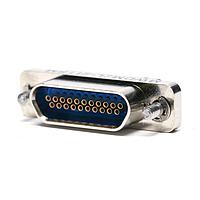
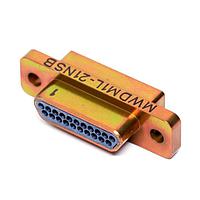
D-Sub, D-Shaped Connectors
Reliable board-to-cable and cable-to-cable interconnection often depends on connector families that are easy to integrate, mechanically stable, and widely supported across industrial and electronic systems. D-Sub, D-Shaped Connectors remain a practical choice in many applications because their format supports secure mating, clear pin configurations, and a broad ecosystem of accessories and compatible cable terminations.
On this category page, buyers can explore D-sub style interfaces used in equipment manufacturing, control systems, data connections, and legacy or specialized electronic assemblies. The range also helps when sourcing connector formats related to SCSI, Mini D Ribbon, and other D-shaped interface layouts commonly found in industrial, computing, and instrumentation environments.
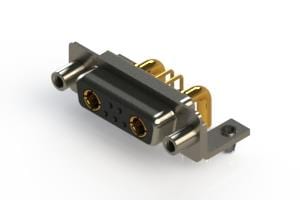
Why D-sub connectors are still relevant
The continued use of D-sub interfaces is not only about legacy compatibility. In many systems, they offer a familiar mechanical standard with defined shell geometry, reliable retention, and practical contact density for signal transmission. This makes them useful in equipment where serviceability, interchangeability, and straightforward panel integration matter.
Compared with some highly specialized connector formats, D-shaped connectors are often easier to identify and specify during maintenance or redesign projects. They are also frequently selected when engineers need a connector family that supports a range of housings, backshells, hardware, and mating options within one broader interconnect platform.
Typical applications across industrial and electronic systems
These connectors appear in control cabinets, embedded electronics, industrial computers, test systems, communication interfaces, and data transfer assemblies. Depending on the design, they may be used for signal paths, peripheral interfaces, or compact multi-contact connections where mechanical alignment and shielding considerations are important.
Some products in this category also relate to interface standards historically associated with storage, I/O, and peripheral equipment. In projects that also require complete terminated solutions, related cable assemblies can be useful for reducing custom wiring effort and simplifying installation.
Examples available in this range
The assortment includes representative parts from manufacturers such as 3M and Amphenol, both of which are commonly specified in interconnect applications. Example products include the 3M 10236-52B2JL Connector SCSI, 3M 10226-5212JL Connector SCSI, and 3M N10240-5212PC Mini D Ribbon receptacle, alongside parts such as the Amphenol 5710360, Amphenol 5730360, and Amphenol U98-B221-1001 Connector Interface.
These examples illustrate the breadth of the category rather than a single fixed design style. You may find right-angle and straight formats, different pole counts, solder-based termination approaches, and contact finishes suited to stable electrical mating in demanding electronic assemblies.
Key selection points before ordering
When comparing D-sub options, start with the mechanical format. Shell style, right-angle versus straight orientation, and panel or board mounting requirements will affect both assembly layout and cable routing. Even a connector with the correct contact count can be unsuitable if the entry direction or mounting geometry does not match the product enclosure or PCB.
Next, review the electrical and termination requirements. Pole count, current capability, voltage rating where available, and the chosen wire connection method all influence long-term usability. For example, solder and solder lug styles may suit controlled assembly processes, while the required contact finish can matter in environments where mating durability and connection integrity are priorities.
Temperature range is another practical filter, especially in industrial or enclosed systems. Several listed products indicate operating or service temperature limits, which helps buyers screen components for installations exposed to heat, cold, or fluctuating operating conditions.
Understanding the product ecosystem around D-sub interfaces
D-sub connectivity is rarely just about the connector body itself. A successful design may also require mating hardware, contact systems, shielding accessories, or replacement elements that support assembly and maintenance over the equipment lifecycle. That is why many buyers evaluate the broader ecosystem before finalizing a part number.
If your project focuses on replaceable conductive elements or repair work, browsing related connector contacts can help clarify how the interconnect system will be serviced. For front-panel or modular I/O environments, other interface families such as keystone connectors may also be worth reviewing when D-sub is not the ideal mechanical fit.
How to compare 3M and Amphenol options in this category
For many B2B buyers, the decision comes down to availability, preferred manufacturer alignment, and fit with an existing design standard. 3M examples in this category highlight established SCSI and Mini D Ribbon style solutions, including variants with right-angle layouts, multiple pole counts, and solder termination approaches suitable for board-level integration.
Amphenol examples broaden the selection with interface connectors and SCSI-related models across different formats. Parts such as the Amphenol FWFTV21N and Amphenol U10-D038-200T show that the category can also intersect with more specialized data or high-density interconnect needs, making it important to check the exact mating interface and mounting style instead of selecting by family name alone.
Procurement considerations for engineering and purchasing teams
In B2B sourcing, connector selection often involves more than technical compatibility. Purchasing teams may need to balance approved vendor lists, lifecycle continuity, documentation needs, and consistency across multiple assemblies. Standardized D-sub formats can support this process by reducing ambiguity during BOM review and replacement planning.
For engineering teams, it helps to confirm whether the connector will be used in a new design, an upgrade, or a replacement scenario. A new design may allow more flexibility in orientation and mounting, while a replacement part usually needs exact alignment with existing hardware, mating components, and assembly methods.
Choosing the right D-sub connector for your application
The best way to narrow the range is to match the connector to the actual installation context: interface standard, contact count, mounting direction, termination method, and environmental needs. From there, manufacturer preference and product availability become much easier to evaluate.
This category brings together a practical selection of D-shaped interconnect solutions for industrial, electronic, and data-oriented applications. Whether you are maintaining existing equipment or specifying parts for a new assembly, reviewing the connector geometry, mating requirements, and surrounding accessory needs will help you select a part that fits both the design and the procurement workflow.
Get exclusive volume discounts, bulk pricing updates, and new product alerts delivered directly to your inbox.
By subscribing, you agree to our Terms of Service and Privacy Policy.
Direct access to our certified experts