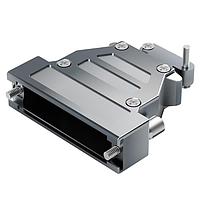
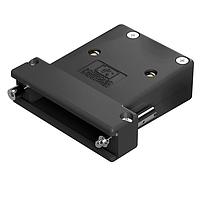
D-Sub Backshells
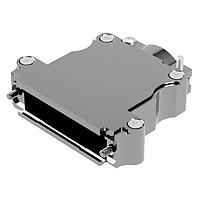
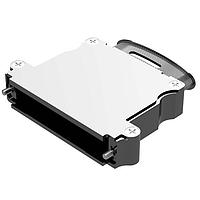
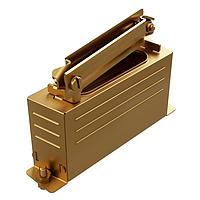
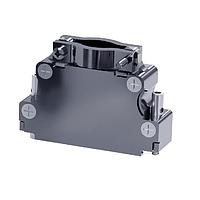
Reliable cable termination often depends on more than the connector itself. In many industrial, automation, and electronic assembly environments, the backshell is the part that helps protect the cable entry, improves strain relief, and supports cleaner routing inside control panels, test systems, and equipment harnesses. That is why choosing the right D-Sub backshells matters when long-term mechanical stability and signal integrity are important.
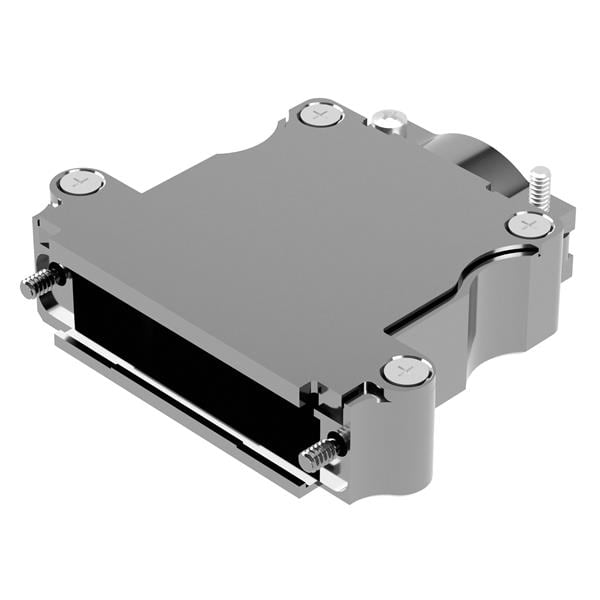
Why backshells are important in D-Sub interconnect systems
A D-Sub interface is widely used in industrial electronics, communication equipment, and legacy-to-modern control architectures. While the connector provides the electrical interface, the backshell helps complete the assembly by covering the cable termination area and supporting the cable where it exits the connector body.
In practice, a suitable backshell can contribute to strain relief, cable organization, and a more protected termination. Depending on the application, buyers may also look for designs that support shielding continuity or help reduce exposure to vibration, bending, and general handling stress during installation and maintenance.
Typical applications for D-Sub backshells
These components are commonly selected for factory automation panels, instrumentation wiring, industrial computers, motion control systems, telecom equipment, and test benches. In these environments, cable assemblies may be frequently moved, serviced, or exposed to tight routing paths, making rear-shell protection especially useful.
D-Sub backshells are also relevant where consistent assembly quality is needed across repeat builds. For OEM production, MRO replacement, or custom cable fabrication, the right accessory helps create a more robust connector assembly instead of leaving the rear termination area exposed.
What to consider when selecting a backshell
The first step is confirming compatibility with the connector style, shell size, and cable configuration in your assembly. Buyers should also consider whether the application needs a straight, angled, or compact layout based on available space and cable exit direction. In dense cabinets or equipment enclosures, routing can be just as important as connector fit.
Another key factor is the required level of cable protection. Some applications prioritize basic mechanical support, while others may require better control of shielding, improved cable clamp performance, or accommodation for specific harness dimensions. If you are building a complete interconnect solution, it may also be useful to review related parts such as D-Sub connectors and D-Sub contacts to ensure all components align with the intended assembly.
Common backshell styles and use cases
Backshells can vary in body shape, cable exit angle, and accessory function. Straight versions are often used where there is enough rear clearance and a direct cable run is preferred. Angled versions can help manage tighter installations by redirecting the cable path and reducing bend stress near the connector entry.
Some backshells are chosen primarily for mechanical enclosure, while others are relevant in assemblies where EMI/RFI control or cable clamp support is part of the design goal. Selection should always reflect the real operating environment, including movement, panel depth, service access, and the type of cable being terminated.
Representative products in this category
This category includes a range of parts used to support D-Sub and related connector assemblies. Examples from Amphenol include models such as Amphenol M85049/52-1-10N Backshells, Amphenol M85049/52S18W Backshells, and Amphenol M85049/8-9W Backshells. These references illustrate the variety of backshell formats buyers may encounter when matching shell geometry and cable management needs.
Other listed items, such as Amphenol M85049/43-12W BACKSHELL SR 45 DEG OD CAD SIZE 12 and Amphenol M85049/24-30W BACKSHELL NON ENV EMI/RFI 90 DEG OD CAD, show how cable exit angle and shielding-related design can become part of the selection process. The category also includes connector accessory references such as Amphenol 97-3106A-12S(0850) and Amphenol 97-3102A-16S(0850), which are useful examples of how rear-end accessories fit into a broader connector ecosystem.
Fit within a broader connector accessory ecosystem
Backshells are rarely selected in isolation. In many projects, they are part of a complete cable assembly strategy that may involve the connector, contacts, adapter elements, and sealing or support components. When a design requires a compact and serviceable rear termination, the backshell becomes a practical interface between the connector and the cable harness.
For users comparing options across adjacent product groups, it may also be helpful to explore D-Sub adapters or D-Sub cable seals where the application calls for interface conversion or added cable-entry protection. This broader view can help reduce mismatch during procurement and assembly planning.
Choosing for industrial and B2B purchasing needs
For engineering teams, panel builders, and procurement specialists, the best choice usually comes down to application fit rather than broad product claims. Connector family compatibility, installation space, cable exit direction, and expected operating conditions should guide the shortlist. Where maintenance access or repeated connection cycles are expected, durable rear protection can help reduce avoidable stress on the terminated assembly.
Supplier consistency is also important in B2B environments. Brands such as 3M, AMP Connectors - TE Connectivity, Amphenol, HARTING, Hirose Electric, and ITT Cannon are commonly recognized across connector and interconnect sourcing workflows, giving buyers a useful reference point when standardizing parts for production, repair, or ongoing inventory management.
Final thoughts
A well-matched D-Sub backshell helps turn a basic connector termination into a more practical and durable assembly. Whether the priority is strain relief, cable routing, shielding support, or cleaner integration inside equipment, the right accessory can make installation more reliable and maintenance more straightforward.
When reviewing options in this category, focus on connector compatibility, cable exit requirements, and the environmental demands of the application. That approach will usually lead to a backshell selection that fits both the mechanical layout and the long-term performance needs of the system.
Get exclusive volume discounts, bulk pricing updates, and new product alerts delivered directly to your inbox.
By subscribing, you agree to our Terms of Service and Privacy Policy.
Direct access to our certified experts