Data Bus Components
Reliable communication links are critical in aircraft, vehicles, industrial platforms, and embedded electronic systems where multiple devices must exchange signals across a shared network. In these environments, component choice affects not only signal integrity, but also serviceability, mechanical robustness, and long-term reliability. That is why Data Bus Components are typically selected as part of a complete interconnect strategy rather than as isolated parts.
This category brings together hardware used to build, terminate, branch, and maintain structured data bus connections. Depending on the architecture, that may include connectors, jacks, microcouplers, cable-based stubs, and supporting accessories. For engineering and procurement teams, the main goal is to match each part to the bus topology, installation method, and environmental demands of the application.
Where data bus components fit in an interconnect system
A data bus is designed to let multiple nodes communicate over a defined transmission path. To make that work in practice, the physical layer must be built with components that support consistent routing, controlled branching, secure termination, and dependable shielding where required. This is especially important in systems exposed to vibration, temperature variation, or demanding installation constraints.
Within this category, you may find parts that serve different roles across the bus assembly. Some items act as interface points, such as jacks and connectors, while others support branching or compact network distribution, such as microcouplers and stub assemblies. Accessories also play a practical role by helping with installation, organization, or maintenance over the life of the system.
Typical component types in this category
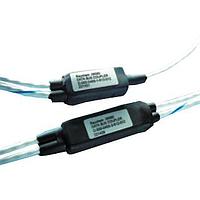
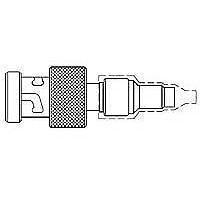
Data bus hardware is often chosen by function first. Connectors and mating interfaces are used where cable runs need a defined mechanical and electrical connection. For example, parts such as the Raychem - TE Connectivity DK-621-0434-1SCS1874 and D-500-L457-2-612-158 illustrate connector-style options within this ecosystem, while the DK-621-0436-2S shows the role of a jack in a bus interconnection layout.
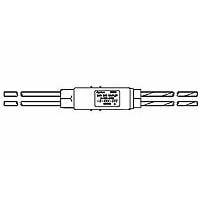
Other products support branch architecture and compact signal distribution. The Raychem - TE Connectivity 208057-000 and C66803N001 are examples of data bus microcouplers, components commonly used where controlled connection points are needed between the main bus and attached equipment. Stub-based products such as D-500-0455-1-613-240 fit naturally into installations where a device must be tied into the bus without redesigning the full cable path.
Accessories should not be overlooked. Items like CTA-0022 may be small compared with the main interconnect hardware, but they can still be important to assembly quality, protection, or field servicing. In many projects, these supporting parts help reduce rework and simplify maintenance planning.
Key selection factors for engineers and buyers
The right choice depends on more than a part number match. Engineers usually begin with the required bus structure: main line routing, node count, branch method, and the type of mating interface needed at each connection point. From there, they look at mechanical format, installation style, and whether the assembly will be terminated by solder or another method appropriate to the design.
Environmental conditions are equally important. Some components in this category are intended for wide operating temperature ranges and shielded cable implementations, which can matter in aerospace, transportation, and harsh industrial settings. It is also worth checking cable compatibility, coupling style, mounting approach, and maintainability before standardizing on one family of parts.
Procurement teams may also evaluate lifecycle stability and source consistency. Working with established manufacturers such as Raychem - TE Connectivity can help when applications require traceable sourcing and familiarity with specialized interconnect systems. Where a wider connector ecosystem is needed, buyers may also review related options across TE Connectivity portfolios.
Examples of products found in this range
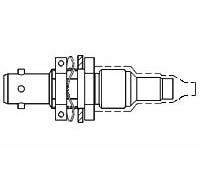
Several featured products help illustrate the breadth of this category. The Raychem - TE Connectivity DK-602-0156-N-6 is a pin-style component suited to structured bus connection schemes where shielding and termination details matter. The DK-621-0436-2S, described as a jack, represents another common interface style used when a reliable mating point is required in the assembly.
For compact branching, the 208057-000 and C66803N001 microcouplers are relevant examples. For cable-based network layout, the D-500-0455-1-613-240 shows how a stub assembly can support connection to an individual node. Together, these examples show that this category is not limited to one connector format; it supports a broader bus interconnect architecture built from multiple complementary elements.
Some products listed in the wider dataset, such as Microchip and Intel storage adaptors and controllers, belong to adjacent electronic and data system domains. They may be relevant at system level, but the core focus of this category remains the physical components used to implement and support the bus connection layer itself.
How data bus components relate to other connector products
Although these parts are specialized, they often sit alongside more general interconnect hardware in complete builds. Cable routing and pre-terminated harness needs may lead buyers to review related cable assemblies, especially when installation speed or repeatability is a priority. In repair or custom wiring workflows, compatible termination hardware and associated parts can be just as important as the bus components themselves.
In some cases, broader connector planning also includes individual contacts for service replacement or custom integration. Looking at the full interconnect path rather than one part in isolation can help avoid mismatches in mating style, termination process, or field maintenance requirements.
Common application considerations
Applications that rely on data bus structures often demand predictable electrical performance and strong mechanical retention. This is why engineers usually pay close attention to shielding approach, branch length, connection geometry, and the physical placement of couplers or jacks within the system. Even where the bus protocol is already defined, installation quality at the component level still has a major impact on reliability.
Service access is another practical consideration. A layout that uses the right combination of connectors, couplers, and accessories can make diagnostics, replacement, and future modifications easier. For long-life equipment, choosing parts that fit established maintenance procedures may be as important as the initial electrical design.
Choosing the right path for your project
When sourcing data bus hardware, it helps to start with the network topology and work outward to the component level: connector interfaces, branch method, cable style, environmental demands, and maintenance expectations. That approach usually leads to a more reliable shortlist than choosing by form factor alone.
This category is intended for teams that need practical building blocks for robust shared-bus interconnection. By comparing connectors, jacks, microcouplers, stubs, and accessories in the context of the overall system, buyers and engineers can make more confident decisions and build a cleaner, more maintainable network architecture.
Get exclusive volume discounts, bulk pricing updates, and new product alerts delivered directly to your inbox.
By subscribing, you agree to our Terms of Service and Privacy Policy.
Direct access to our certified experts