I/O Connectors
Reliable device-to-device communication depends on more than signal integrity alone. In control panels, network hardware, embedded systems, and industrial equipment, the connector interface often determines how easily a design can be assembled, serviced, upgraded, and protected in real operating conditions. That is why selecting the right I/O Connectors matters not only for electrical performance, but also for mechanical fit, durability, and long-term system stability.
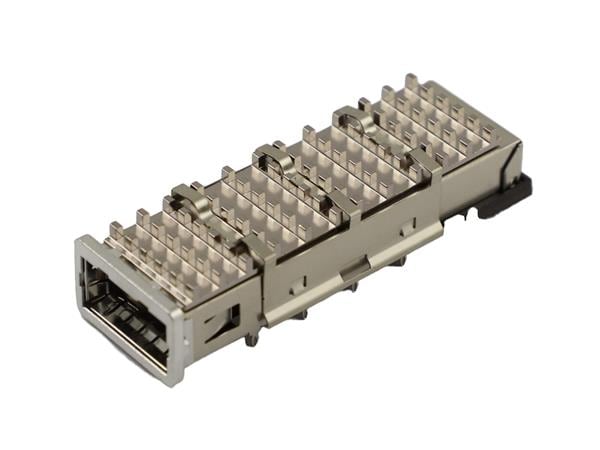
Where I/O connectors fit in modern electronic systems
I/O connectors are used wherever signals, data, or communication channels need to move between boards, cables, modules, or external devices. They appear across industrial Ethernet nodes, embedded computing platforms, storage and networking equipment, display interfaces, and compact board-level interconnect designs.
Within this category, users may be looking for solutions for cable mount, panel mount, or board-level integration, depending on whether the application prioritizes accessibility, environmental protection, serviceability, or high-density packaging. In many projects, the connector is also part of a larger connectivity chain that may include cable assemblies and termination components selected to match the electrical and mechanical requirements of the final installation.
Typical connector types found in this category
This category covers a broad range of interfaces rather than a single connector family. Some products are intended for compact data communication, while others support pluggable optical links, card interfaces, display connectivity, or specialized industrial Ethernet formats.
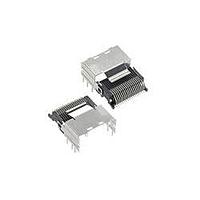
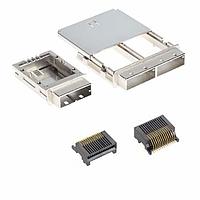
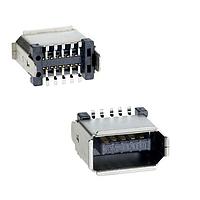
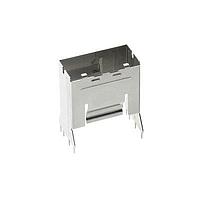
Examples from the current range help show that breadth. The Amphenol UE86L462700321 is identified as an SFP cage, which is relevant in pluggable transceiver designs. The Amphenol 10122424-111LF SFP+ board connector assembly supports high-speed pluggable module integration, while the Amphenol G46M2023201AWEU targets DisplayPort-style connectivity. There are also card and board interface parts such as the Amphenol 10137846-0011LF and compact board receptacles like the Amphenol G14A42111C12HR, which are suited to dense electronic assemblies.
Industrial Ethernet and compact data connectivity
One important area within I/O connectors is industrial data communication, especially where compact form factor and dependable mating performance are required. Products such as the Amphenol ND9AP5200 use the iX Industrial Ethernet format with Cat6a capability, making them relevant for equipment builders moving beyond larger legacy interfaces in space-constrained designs.
For harsher environments or panel integration, the Amphenol NDHN6E2 and Amphenol NDHN6A2 show how the same general connectivity need can branch into different termination and mounting approaches. Features such as panel mounting, sealed construction, and support for industrial Ethernet applications are especially useful in machine automation, control cabinets, and distributed field devices where connector reliability directly affects network uptime.
Fiber optic and pluggable transceiver-related options
Optical interconnects are also represented in this category, which is important for users working with higher data rates, longer transmission distances, or improved immunity to electrical noise. The Amphenol XP-13B1-40DA, Amphenol QXP27A4-02D-3, and Amphenol CF-020400-34A are listed as fiber optic transceivers, illustrating that I/O connectivity may extend beyond copper contact interfaces into optical communication hardware.
In practical terms, this makes the category relevant not only for connector sourcing, but also for systems that combine cages, sockets, and pluggable modules in one communication architecture. When reviewing these parts, buyers typically consider mating compatibility, assembly method, port density, and the role of the connector within the broader network or backplane design.
How to choose the right I/O connector
The best selection process starts with the interface role in the system. A board-level product for compact electronics will be evaluated differently from a panel-mounted connector intended for repeated field access. Key factors usually include mounting style, connector orientation, contact count, termination method, available space, and whether the interface must support high-speed data, optical communication, or ruggedized operation.
Environmental conditions are just as important. Temperature range, housing material, plating, ingress protection, and resistance to vibration or repeated mating cycles can all influence long-term reliability. For example, a sealed industrial Ethernet connector intended for panel installation addresses very different operating risks than a fine-pitch receptacle used inside a controlled enclosure.
It is also useful to think about the surrounding interconnect ecosystem. Some designs require matching terminations or replacementable conductive elements, so related categories such as connector contacts may become relevant during detailed BOM planning and maintenance support.
Manufacturer landscape and product sourcing considerations
This category includes products from established connector suppliers, with Amphenol especially visible in the current featured range. The available examples cover several practical use cases, from industrial Ethernet and SFP-related hardware to display and general board I/O interfaces. Depending on the project, buyers may also compare connector families from other major brands listed in the portfolio, including TE Connectivity-related lines and other industrial electronics manufacturers.
For engineering and procurement teams, source selection is rarely based on part type alone. It often includes lifecycle planning, assembly process compatibility, service strategy, and the need to standardize interfaces across multiple devices or machine platforms. That is why category-level review is valuable before narrowing down to a single part number.
Common applications across industrial and embedded designs
I/O connectors are widely used in embedded computers, automation controllers, communication modules, HMIs, test equipment, and data-handling devices. In these applications, the connector may carry power, signal, data, or optical channels, and its physical design can affect installation time and maintenance access as much as electrical performance.
In more modular systems, users may pair these interfaces with adjacent connectivity products such as keystone connectors for structured panel layouts or interface access points. The right combination depends on whether the goal is compact PCB integration, front-panel serviceability, or field-ready connectivity in demanding industrial settings.
Finding a suitable part for your design
Because this category spans multiple interface styles, it helps to start with the application rather than the product name. Define whether the connector is intended for board, cable, or panel use; identify the communication standard or signal type involved; then narrow the list by form factor, contact arrangement, termination style, and environmental needs.
If your project involves optical links, compact Ethernet interfaces, SFP/SFP+ hardware, or display and card-level interconnects, this category provides a practical starting point for comparison. Reviewing representative products such as the ND9AP5200, NDHN6E2, UE86L462700321, or 10122424-111LF can help clarify which interface family best fits the mechanical and functional requirements of the final system.
Choosing I/O connectors well means balancing signal performance, mechanical design, assembly method, and field conditions. A careful review of interface type, mounting approach, and surrounding connectivity components will make it easier to shortlist parts that fit both the electrical design and the realities of installation, maintenance, and long-term operation.
Get exclusive volume discounts, bulk pricing updates, and new product alerts delivered directly to your inbox.
By subscribing, you agree to our Terms of Service and Privacy Policy.
Direct access to our certified experts