Modular / Ethernet Connectors
Reliable data transmission starts with the right interconnect. In control cabinets, industrial networking, telecom hardware, embedded boards, and communication equipment, connector selection affects signal stability, installation efficiency, and long-term serviceability just as much as the cable or active electronics around it.
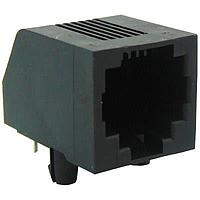
Modular / Ethernet Connectors cover a broad range of interfaces used for copper-based network and telecom connections, from standard board-mount RJ-style ports to more specialized ruggedized formats for harsher environments. This category is relevant for engineers, buyers, and maintenance teams looking for connectors that fit the mechanical layout, port density, shielding needs, and installation method of a given system.
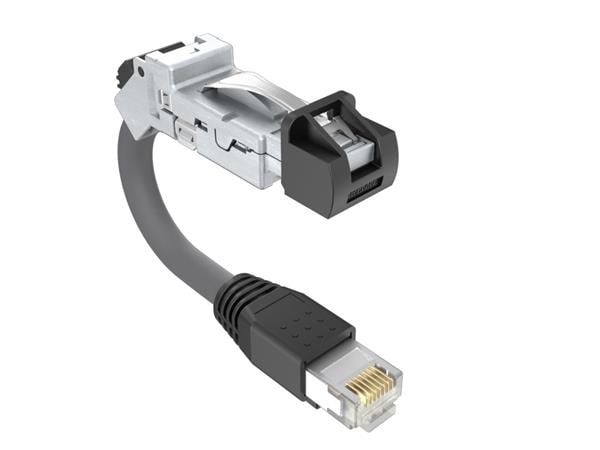
Where modular and Ethernet connectors are used
These connectors appear across many types of equipment: network switches, communication gateways, industrial PCs, HMI panels, telecom devices, control systems, and custom electronic assemblies. In many designs, the connector is not just a physical interface; it also influences grounding strategy, panel layout, maintenance access, and how easily the product can be integrated into a larger network.
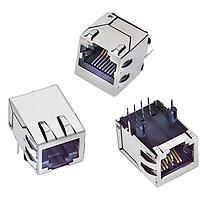
For PCB designers, modular jacks are often chosen for their balance of familiar interface format and straightforward board integration. For field-deployed equipment, the focus may shift toward ruggedized connectivity, protection against vibration or contamination, and more secure mating in industrial or outdoor environments.
Typical connector formats in this category
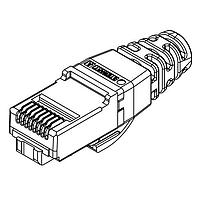
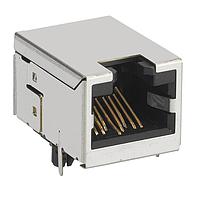
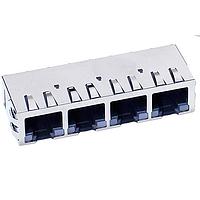
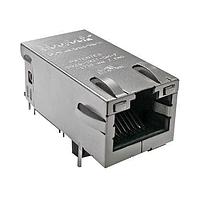
A large part of this category revolves around RJ-style interfaces, especially RJ-45 for Ethernet and other modular formats used in telecom equipment. Depending on the application, engineers may need a single-port connector for compact boards, a multi-port jack for denser communication hardware, or a more specialized connector system for protected network access.
Examples from this category include solutions such as the Amphenol RJHSE5388A1 for single-port board-level integration, the Amphenol RJHSE508AA2 for 2-port layouts, and higher-density options like the Amphenol RJHSE508AA8 or Amphenol RJHSE508BA8 for multi-port designs. For applications that move beyond standard modular jacks, products such as the Amphenol U78B11260D411 and Amphenol U78B412600111 illustrate how the wider ecosystem can also include SFP connector and cage style interfaces for networking hardware.
Key selection factors for engineers and buyers
The best fit usually depends on a few practical questions. First is the interface type: whether the project requires a classic modular telecom port, an RJ-45 Ethernet connection, or a higher-speed pluggable interface. Next comes the mounting style, such as right-angle through-hole or press-fit, which affects both assembly method and mechanical reliability on the board.
Port count is another major factor. A single connector may be ideal for compact embedded products, while 2-port or 8-port configurations are often better suited to communication backplanes, network appliances, or dense I/O modules. It is also important to review shielding approach, board space, service access, and whether the design will operate in a standard enclosure or a more demanding industrial setting.
For harsher environments, options like the Amphenol RJFTV2SB1G or Amphenol RJFTV21RAN are relevant examples of connectors intended for applications where mechanical protection and dependable interface retention matter. In contrast, more conventional PCB-mounted modular jacks may be preferred in indoor equipment where density and ease of assembly are the main priorities.
Board-level integration and port density considerations
When designing communication hardware, connector choice can shape the entire PCB and enclosure arrangement. Right-angle through-hole parts are commonly used to bring ports neatly to the panel edge, while multi-port versions help reduce footprint per connection and simplify front-panel layouts. This is especially useful in routers, industrial gateways, compact servers, and controller platforms that need several Ethernet channels in a limited area.
For example, a part such as the Amphenol RJHSE5088A8 supports dense multi-port implementation, while a model like the Amphenol RJE0112001 represents a more basic modular interface for simpler telecom needs. The goal is not only electrical compatibility, but also a balanced design that supports manufacturing, airflow, cable insertion clearance, and future servicing.
Brand options and ecosystem compatibility
This category includes products from established connector suppliers, with Amphenol standing out in the current featured range. In practice, buyers may evaluate modular and Ethernet connectors based on consistency of mechanical dimensions, available port configurations, and how well a supplier supports both standard and ruggedized connection requirements across multiple projects.
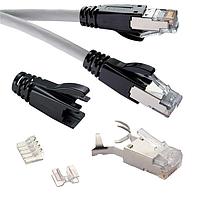
Depending on the build, modular connectors may also be selected alongside related interconnect hardware such as cable assemblies for ready-to-install network links or keystone connectors for structured cabling and panel organization. Looking at the broader connection ecosystem often helps reduce mismatches between board-level design and final field installation.
How to choose for industrial, telecom, and embedded applications
For industrial automation equipment, it helps to start with the operating environment. If the connector will be exposed to dust, vibration, washdown risk, or repeated reconnection, a ruggedized format is usually more appropriate than a standard office-style Ethernet jack. If the product stays inside a protected cabinet, board-level density and assembly convenience may take priority.
For telecom and embedded systems, signal interface requirements and port count often drive the decision first. A single compact jack may be enough for a service port or low-channel-count device, while multi-port layouts are more suitable for switching or gateway equipment. If the design roadmap may later expand toward pluggable networking modules, it can also be useful to review adjacent solutions such as contacts and other connector components that support broader interconnect planning.
Practical buying considerations
From a sourcing perspective, modular and Ethernet connectors are rarely interchangeable on form factor alone. Buyers should confirm the intended mating interface, board mounting method, number of ports, and physical orientation before comparing part options. It is also worth checking whether the connector is meant for standard commercial equipment or for applications that need a stronger enclosure interface and better environmental resistance.
Using representative products as reference points can make this process easier. Single-port, 2-port, and 8-port examples in this category help narrow down the mechanical direction of a design, while specialized items such as rugged Ethernet connectors or SFP connector systems help define where the project sits in the wider communications hardware landscape.
Finding the right connector for your system
Choosing among modular and Ethernet connector options is ultimately about matching the interface to the system’s real operating conditions, assembly method, and service expectations. A well-selected connector supports stable communication, cleaner mechanical integration, and fewer issues during installation or maintenance.
If you are comparing board-mount RJ connectors, rugged Ethernet interfaces, or network-oriented connector platforms for denser hardware, this category provides a practical starting point. Reviewing port format, mounting style, and application environment together will usually lead to a more reliable shortlist and a better fit for long-term deployment.
Get exclusive volume discounts, bulk pricing updates, and new product alerts delivered directly to your inbox.
By subscribing, you agree to our Terms of Service and Privacy Policy.
Direct access to our certified experts