Jones Plugs & Sockets
Reliable power distribution often depends on connector styles that are easy to wire, secure in use, and practical to service over time. In many control panels, industrial assemblies, and equipment interfaces, Jones Plugs & Sockets remain relevant because they support straightforward connection and disconnection while helping organize power wiring in a compact form factor.
This category is intended for buyers who need dependable connector options for maintenance, replacement, or new integration work. Whether you are sourcing parts for industrial equipment, panel wiring, or power interface assemblies, the right plug-and-socket format can simplify installation and reduce downtime during service.
Where Jones-style connectors fit in power connection systems
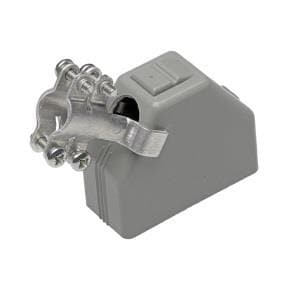
Jones plugs and sockets are commonly used where equipment needs a detachable power connection that is more structured than loose wiring and more application-specific than general-purpose consumer connectors. They are often selected for systems that benefit from repeatable mating, clear terminal arrangement, and practical field servicing.
Within a broader connector ecosystem, this category sits alongside solutions such as AC power connectors and DC power connectors. The best choice depends on voltage type, current path, installation environment, mechanical constraints, and how often the connection will be unplugged during maintenance.
What buyers typically evaluate before selecting a plug or socket
For industrial and B2B procurement, connector selection is usually driven by application requirements rather than brand alone. Buyers typically look at the number of contacts, mating format, mounting style, wiring method, available panel space, and compatibility with the existing equipment design.
It is also important to consider the operating environment. A connector used inside an enclosed cabinet may be chosen differently from one exposed to vibration, repeated handling, or frequent service access. In projects where mechanical robustness is a priority, it can also be useful to compare options with heavy duty power connectors if the application demands a more rugged interface.
Representative products in this category context
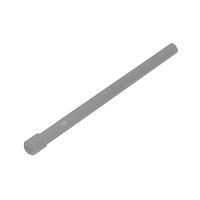
The available product mix in this space may include both traditional industrial connector formats and specialized plug components used in power or board-level interconnect systems. For example, PANASONIC models such as DH24873K1, DH24821K1, and DH24822K1 illustrate plug options that can be relevant in structured power connection setups where consistent mating and replacement support matter.
Other examples from leading connector manufacturers include the Molex 2074062410 Plug and TE Connectivity 746-1 Plug. From a higher-density interconnect perspective, parts such as the Samtec ECDP-04-24.00-B1-L1-4-3 Plug, ECDP-04-36.00-B1-L1-3-3 Plug, and ARC6-16-42.1-LU-LU-3-1 Plug show how plug components may serve different integration needs within a broader connection architecture.
These examples are useful as reference points, but selection should always come back to the actual electrical and mechanical requirements of the equipment. Even when two products are both described as plugs, they may differ significantly in intended use, interface geometry, or system compatibility.
Leading manufacturers for industrial connector sourcing
Several well-known connector suppliers appear in this category context, including Samtec, Molex, PANASONIC, and TE Connectivity. These manufacturers are widely recognized in electronic and industrial interconnect markets, making them relevant when buyers need continuity in sourcing, design familiarity, or alignment with established BOM standards.
Depending on the project, buyers may also compare offerings from Legrand, Staubli, Wurth Elektronik, ASONE, Cinch, and Dura-Con / Cinch Connectivity Solutions. The right manufacturer often depends less on name recognition and more on fit with the application, lifecycle support, and compatibility with the rest of the system design.
Common application considerations in maintenance and new builds
In maintenance scenarios, replacement connectors are often chosen to match existing layouts and reduce modification work. This can be especially important in legacy equipment, retrofit projects, or production environments where minimizing wiring changes helps shorten service windows.
For new equipment design, engineers and buyers usually weigh serviceability against density, ease of assembly, and future accessibility. A plug-and-socket interface can be valuable where modules need to be disconnected during inspection or replacement, while still maintaining a clear and organized power connection path.
When installations require a different physical style or mating principle, adjacent categories such as barrel connectors may be worth reviewing for lower-power or device-level applications. This kind of comparison helps ensure the selected connector format matches the actual use case rather than simply following a familiar part style.
How to narrow down the right option
A practical selection process usually starts with the electrical load and the connection layout. After that, it helps to confirm whether the part is intended for panel integration, cable termination, or a more specialized equipment interface. Buyers should also verify mating compatibility carefully, especially when replacing installed components in older systems.
From a procurement perspective, it is useful to think in terms of system compatibility, maintenance access, and long-term availability. If a connector will be handled regularly, the mechanical fit and ease of connection may matter as much as the electrical rating. If it will remain fixed after installation, mounting security and wiring stability may become the main priorities.
Choosing Jones plugs and sockets with better application fit
This category is most useful when approached as part of the broader power interconnect decision process. Rather than focusing only on part names, it is better to evaluate how each option supports the intended equipment layout, service method, and operating environment. That approach usually leads to a more reliable and maintainable result.
For buyers comparing connector families across industrial power applications, connector form, mating method, and installation context are the key factors that shape a good decision. By reviewing relevant products from manufacturers such as Samtec, Molex, PANASONIC, and TE Connectivity within the actual system requirements, it becomes easier to identify the Jones plug or socket solution that fits the job with fewer compromises.
Get exclusive volume discounts, bulk pricing updates, and new product alerts delivered directly to your inbox.
By subscribing, you agree to our Terms of Service and Privacy Policy.
Direct access to our certified experts