RF Adapters
Signal chains rarely stay as simple as a single cable and a single connector. In RF systems, test benches, wireless infrastructure, and embedded communication equipment, small interface differences can interrupt measurement accuracy, create unwanted loss, or make integration more difficult than it should be. That is where RF Adapters become essential: they help bridge connector formats, gender configurations, and mechanical layouts without redesigning the entire interconnect path.
This category is built for engineers, buyers, and integration teams looking for practical ways to connect coaxial interfaces across development, production, maintenance, and field applications. Whether the priority is lab flexibility, compact installation, or maintaining a 50 ohm signal path, the right adapter can simplify assembly while supporting stable RF performance.
Where RF adapters fit in an interconnect system
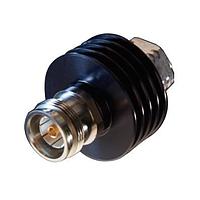
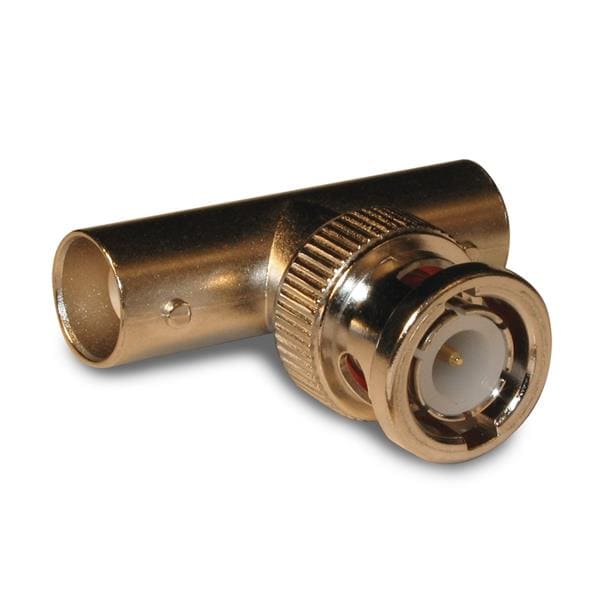
An RF adapter is typically used to join two connector interfaces that do not directly mate, or to change gender and orientation within an existing connection path. In practice, this can mean linking SMA interfaces in test setups, converting between precision coaxial formats, or resolving layout constraints inside compact equipment.
Adapters are often selected alongside coaxial RF connectors and cable solutions, because the full interconnect path matters more than any single part. Mechanical compatibility, impedance continuity, frequency range, and installation geometry all need to be considered together when building a reliable RF assembly.
Common adapter types used in engineering and test environments
This category includes a broad range of interface styles, but several selection patterns appear frequently in real applications. Straight adapters are commonly used when the main goal is interface conversion with minimal layout change, while right-angle versions help when panel space, enclosure depth, or cable bend radius is limited.
Gender conversion is another common requirement. For example, an adapter may connect plug-to-jack or receptacle-to-receptacle configurations so that existing cables, instruments, or mounted connectors can be reused. In RF labs and maintenance environments, that flexibility can reduce downtime and help standardize connection workflows across multiple devices.
Representative products in this category
Several listed products illustrate the range of use cases covered here. The Amphenol 132172 Conn SMA to SMA Receptacle-Plug Right Angle is a good example of an adapter intended for tight mechanical routing while preserving a 50 ohm SMA connection. For applications that need a straight in-line transition, the Amphenol 132169 Conn SMA to SMA Receptacle-Receptacle Straight reflects a more conventional coupling format often seen in bench testing and modular RF assemblies.
For higher-frequency interface transitions, products such as the Amphenol SF1116-6002 and Amphenol SF1116-6003 show how adapters can bridge precision coaxial formats like 2.4 mm and 2.92 mm. Other parts in the range, including SF2997-6003 and multiple M3933 series variants, demonstrate that this category is not limited to one connector family or one installation style. The value of the category lies in giving users practical options for matching electrical and mechanical requirements without overcomplicating the signal path.
What to check before choosing an RF adapter
The first point is connector compatibility. This includes interface family, gender, and whether the connection needs to be straight or right-angle. Even when two parts appear similar, small differences in connector standard can affect mating, durability, and measurement repeatability.
The second point is impedance and frequency suitability. In the provided product range, some examples are specified for 50 ohm systems, which is common in RF measurement and communication equipment. If the adapter is introduced into a high-frequency path, it should be evaluated as part of the overall assembly rather than treated as a purely mechanical accessory.
The third point is environmental and installation context. Temperature range, plating, contact materials, mechanical strain, and repeated mating cycles can all influence long-term performance. If the adapter will be used with longer cable runs or field-installed assemblies, it may also be worth reviewing related RF cable assemblies so the complete connection path is consistent.
Why manufacturer quality matters in RF interconnects
In RF hardware, small dimensional tolerances can have a noticeable effect on connection quality. That is why many buyers prefer established interconnect manufacturers when sourcing adapters for communication equipment, instrumentation, aerospace-related systems, or industrial electronics. Within this category, Amphenol is especially visible through a range of adapter formats that support common RF integration needs.
Depending on the application, buyers may also compare broader connector ecosystems from suppliers such as Amphenol RF or AMP Connectors - TE Connectivity, especially when standardizing across multiple cable, connector, and accessory lines. The goal is not simply brand preference, but smoother sourcing, better mating consistency, and easier maintenance across installed equipment.
Typical applications for RF adapters
RF adapters are widely used in test and measurement setups, where engineers frequently need to reconfigure instruments, fixtures, and DUT connections. They are also common in communications hardware, antenna paths, prototyping, and service environments where connector mismatches appear during upgrades or replacement work.
In production and integration settings, adapters can help reduce redesign effort when one subsystem uses a different connector family than another. In maintenance work, they can provide a fast bridge between legacy interfaces and newer assemblies. When the RF path also requires level management or matching components, related categories such as attenuator interconnect products may become part of the same selection process.
Selection tips for B2B purchasing teams
For engineering-led procurement, the most effective approach is to start with the actual connection problem: what two interfaces need to be joined, what impedance the system uses, and whether the assembly will be fixed, portable, or frequently reconfigured. This helps narrow the choice much faster than comparing part numbers in isolation.
It is also useful to think in terms of the broader interconnect ecosystem. Adapters, connectors, accessories, and cable assemblies often need to work together across the same project. Reviewing mating parts, available stock, and future maintenance requirements can reduce sourcing friction and help avoid mixing incompatible RF hardware across teams or sites.
Final considerations
Choosing the right adapter is often less about finding a generic converter and more about protecting signal integrity, mechanical fit, and serviceability across the full RF path. A well-matched part can simplify integration, support cleaner test setups, and reduce unnecessary rework in both lab and production environments.
If you are comparing connector formats, planning a new RF assembly, or updating an existing system, this category provides a practical starting point for identifying adapter options that align with your interface, geometry, and performance needs.
Get exclusive volume discounts, bulk pricing updates, and new product alerts delivered directly to your inbox.
By subscribing, you agree to our Terms of Service and Privacy Policy.
Direct access to our certified experts