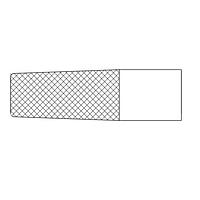
RF Connector Accessories
Reliable RF performance often depends on small supporting parts that are easy to overlook during system design, installation, or maintenance. In practical coaxial interconnect work, protective caps, boots, ferrules, sleeves, nuts, and grounding accessories help preserve connector integrity, improve cable handling, and reduce avoidable signal or mechanical issues over time.
RF Connector Accessories are used to support, protect, and complete RF connection points in test setups, communications equipment, broadcast infrastructure, and industrial electronics. Whether you are building new assemblies or maintaining existing coax lines, the right accessory can make installation cleaner, improve durability, and simplify servicing in the field.
Where RF connector accessories fit in an interconnect system
Unlike primary connectors, these parts are not usually the main signal interface by themselves. Their role is to support the connector ecosystem around the cable, panel, or mating interface. That includes environmental protection, strain management, identification, termination support, mounting hardware, and grounding continuity where required.
In many applications, accessories are selected alongside coaxial RF connectors rather than after the fact. This is especially important when connector longevity, cable routing, repeated mating cycles, or outdoor exposure must be considered early in the design process.
Common accessory types and their practical purpose
This category can include several supporting part types with different functions. Protective caps and dust covers help keep connector interfaces clean when ports are unused. Boots and sleeves can improve cable exit protection and help reduce local stress at the rear of a connector. Ferrules and related hardware support connector termination and assembly work, while nuts or spanner hardware assist with secure installation.
Other accessories serve more application-specific needs. Ground block assemblies are used where grounding and cable distribution are part of the installation layout, while keying or switching accessories may support controlled mating or specialized interconnect configurations. For engineers and buyers, the key is not to treat these parts as generic add-ons; each accessory should match the connector family, cable type, and installation environment.
Examples from leading manufacturers
Several established brands appear in this category, including Amphenol RF, Belden, HUBER+SUHNER, AMP Connectors - TE Connectivity, and Delta Electronics Mfg Corp. Their accessory offerings illustrate the variety of use cases found in RF interconnect projects, from basic port protection to assembly hardware and grounding support.
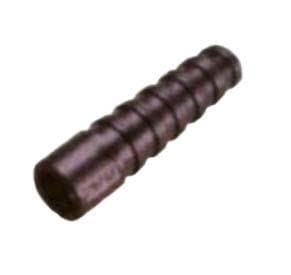
For example, HUBER+SUHNER 61_N-0-0-1/--3_-E is a protective cap for an N plug, showing how simple components help protect mating surfaces during storage or service intervals. Amphenol RF 031-1277-1 is a BNC boot used for cable-side protection and handling, while AMP Connectors - TE Connectivity 9-332224-0 represents ferrule-style hardware used during connector assembly. Belden ground block assemblies such as GBSNS1P59K or GBSNS1P59QSK highlight how accessories can also contribute to cable management and grounding in distribution-oriented installations.
How to choose the right accessory
The first selection step is compatibility. Check the RF series, connector gender where relevant, cable size, and intended mounting or mating arrangement. A cap intended for an N interface will not serve the same purpose as a boot for BNC, and a sleeve sized for a specific cable jacket diameter should be matched carefully to avoid poor fit or installation difficulties.
Next, consider the actual operating environment. Indoor lab setups may prioritize convenience and repeated access, while industrial or field applications may place greater value on contamination protection, strain relief, and secure mounting hardware. If the accessory is part of a cable build process, it should also align with the assembly method and the connector parts being used.
It is also useful to think in terms of maintenance. Accessories that protect unused ports or reduce mechanical wear can help extend service life and reduce troubleshooting later. When systems include patching, adapters, or frequently changed test connections, small protective and handling components become more important than they may first appear.
Selection criteria that matter in B2B purchasing
For procurement teams, engineers, and integrators, the right accessory choice is usually about fit-for-purpose rather than broad feature comparison. A practical review should include connector family, cable compatibility, installation method, expected service conditions, and whether the item is needed for production, field replacement, or preventive maintenance stock.
Accessory type should also be evaluated in relation to adjacent interconnect components. If your project includes RF adapters or preterminated cable solutions, accessory requirements may change depending on how interfaces are protected and routed across the system. This broader view helps avoid ordering parts that fit dimensionally but do not support the full installation workflow.
Supporting assembly, protection, and long-term reliability
Mechanical protection is one of the most practical reasons to specify these products. Caps, boots, sleeves, and related hardware help shield interfaces and cable terminations from dust, accidental contact, and handling wear. Even in non-harsh environments, this can reduce connector damage and improve consistency during repeated use.
Assembly support is another important function. Hardware such as ferrules, nuts, and related fitting components contributes to correct connector installation and retention. In many RF applications, repeatable assembly quality is essential not only for physical robustness but also for maintaining dependable electrical performance.
Where grounding or structured cable distribution is involved, specialized accessories can support cleaner layouts and easier maintenance access. This is especially relevant in broadcast, telecom, and infrastructure-style deployments where RF lines need to remain organized, serviceable, and protected across long operating periods.
When accessories should be planned together with other RF parts
Accessory selection is often more effective when done at the same time as the rest of the interconnect bill of materials. Teams sourcing cable terminations, protective elements, and mating hardware together are less likely to encounter installation delays or compatibility gaps. This is particularly true when custom routing, repeated disconnect cycles, or panel interfaces are part of the design.
If your application also involves RF cable assemblies, it makes sense to review whether additional boots, caps, or grounding hardware are needed at exposed or serviceable connection points. Looking at the full signal path rather than just the main connector can improve both uptime and serviceability.
Final considerations
In RF systems, accessory parts may be small, but their role is not minor. The right combination of protective, assembly, and grounding components helps support cleaner installations, better connector care, and more reliable operation over time.
When comparing options in this category, focus on compatibility, application needs, and the specific role each item plays around the connector interface. A well-matched accessory can simplify assembly, protect valuable RF hardware, and make ongoing maintenance much more manageable.
Get exclusive volume discounts, bulk pricing updates, and new product alerts delivered directly to your inbox.
By subscribing, you agree to our Terms of Service and Privacy Policy.
Direct access to our certified experts