RF Connectors, Coaxial Connectors
Reliable signal transmission starts with the right interface between cable, board, and equipment. In RF systems, even a small mismatch at the connector level can affect loss, shielding performance, mechanical stability, and long-term repeatability. That is why engineers, buyers, and integrators often spend as much time selecting interconnects as they do choosing the active devices in the signal chain.
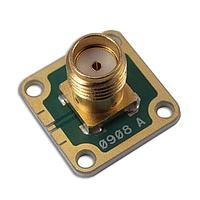
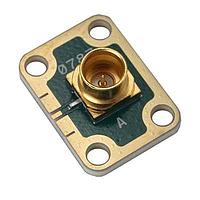
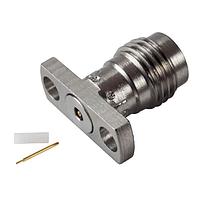
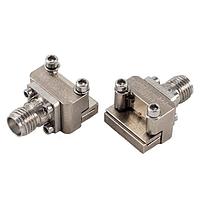
RF Connectors, Coaxial Connectors in this category support a wide range of applications, from test benches and broadcast installations to embedded RF assemblies and general electronic integration. The selection typically covers different coupling styles, mounting formats, impedance options, and cable termination methods, helping users match the connector to the electrical and mechanical demands of the job.
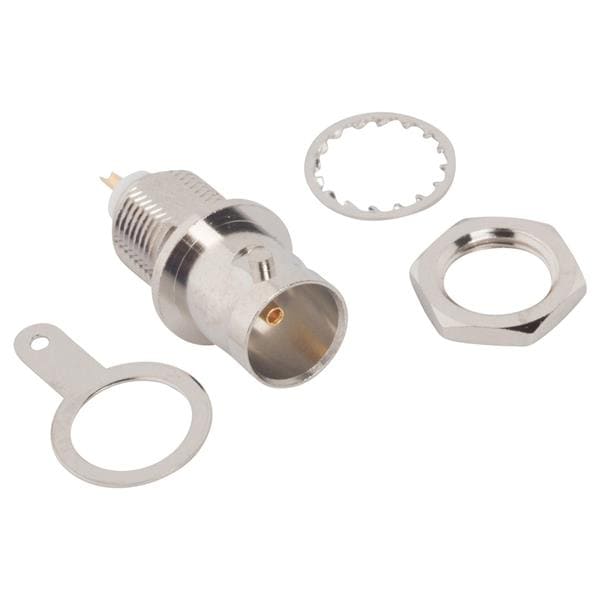
Where RF and coaxial connectors are commonly used
These connectors are used anywhere a controlled RF path is required. Typical environments include communication equipment, instrumentation, video transmission, lab testing, antenna feeds, and embedded systems where consistent impedance and shielding matter. In many projects, the connector is not just a mechanical endpoint but a critical part of the overall signal path.
Coaxial interfaces are especially important when working with higher frequencies, tighter return loss requirements, or mixed cable-to-board transitions. Depending on the design, users may need a free-hanging cable connector, a right-angle board receptacle, or a panel-mount format that allows easy service access while maintaining dependable electrical contact.
Key factors when choosing the right connector
The first selection point is usually impedance matching. Common RF connector options are built around 50 ohm or 75 ohm systems, and choosing the correct value helps maintain signal integrity across the application. This becomes particularly important in video, broadcast, and measurement environments where impedance discontinuities can create unwanted reflections.
The next factors are mounting style and termination method. Some applications favor solder connections for secure board or cable assembly, while others benefit from crimp termination for production efficiency and repeatability. Connector orientation also matters: straight and right-angle formats can simplify cable routing, reduce strain, and improve enclosure fit.
Frequency range, cable compatibility, and locking style should also be reviewed together rather than in isolation. A connector may fit physically, but the correct choice depends on how it performs within the full interconnect path, including cable type, mating cycles, and the surrounding mechanical constraints.
Common connector styles found in this category
This category may include familiar RF interface families such as BNC, Type F, and other coaxial formats used across commercial and industrial equipment. Each style is suited to different use cases, from quick-connect bayonet locking to threaded or application-specific interfaces intended for more stable or specialized assemblies.
For example, BNC-based options are often selected where quick connection and disconnection are useful, especially in test setups and video-related systems. Type F connectors are widely associated with 75 ohm cable-based applications. More compact or specialized designs may be preferred in space-constrained assemblies or equipment with unique mating requirements.
Representative products and what they suggest about the range
The product mix in this category shows the practical variety engineers often need. Examples include the Amphenol SMZ(L)-75K2.5C2VY Coaxial connector and Amphenol SMZ(L)-75J6.5DY Coaxial connector, which indicate support for specialized coaxial interconnect needs. Options such as the Amphenol FA1-NCSJ-C01-0 Straight also highlight the importance of form factor and cable termination in installation planning.
For broader application coverage, parts like the Amphenol 222167-10 Type F cable-mount connector and Amphenol 456E717NF BNC receptacle illustrate how this category supports both cable-end and board-level integration. Products such as the Amphenol 034-1126-12G and Amphenol 031-70556 further suggest that users may be selecting by impedance, mounting style, interface family, and frequency capability rather than by connector name alone.
Where a complete signal path is being designed, it can also be useful to review related components such as RF adapters for interface conversion or extension between unlike connector types.
Manufacturer ecosystem and sourcing considerations
A large share of the highlighted products here comes from Amphenol, a well-recognized name in interconnect solutions. For buyers and design teams, that is relevant because connector selection is often tied to broader concerns such as availability, mating compatibility, assembly workflow, and consistency across multiple projects.
At the same time, sourcing should remain application-driven. Instead of choosing only by brand, it is more effective to confirm the connector family, impedance, cable or board interface, and assembly method first. Once those basics are aligned, comparing available product lines becomes much easier and more technically meaningful.
How these connectors fit into the wider RF interconnect chain
RF connectors rarely operate as standalone items. They are part of a broader interconnect architecture that may also include cable assemblies, adapters, accessories, and passive signal conditioning components. Looking at the full chain early in the design process helps reduce rework, especially when equipment from different vendors must be integrated.
For projects that require ready-to-install cable solutions, browsing RF cable assemblies can help shorten build time and improve consistency. If installation hardware, caps, boots, or related support items are needed, RF connector accessories may also be relevant during the specification stage.
Practical buying guidance for engineers and procurement teams
When comparing options, start with the actual operating environment rather than the connector family name alone. Confirm whether the application is cable-to-cable, cable-to-board, or panel-to-board. Then verify the required impedance, mating style, cable size, and whether the assembly process favors solder or crimp termination.
It is also worth checking how often the connection will be mated and unmated, whether vibration is a concern, and whether access space makes a right-angle body more suitable than a straight version. These practical details often determine the best fit more accurately than a basic part description.
Choosing RF and coaxial connectors is ultimately about building a signal path that is electrically correct, mechanically dependable, and realistic to assemble. This category brings together connector options for a range of RF interconnect needs, making it easier to compare formats, mounting approaches, and application fit before moving on to the rest of the system design.
Get exclusive volume discounts, bulk pricing updates, and new product alerts delivered directly to your inbox.
By subscribing, you agree to our Terms of Service and Privacy Policy.
Direct access to our certified experts