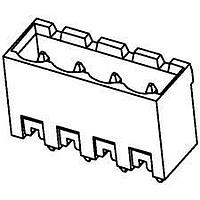
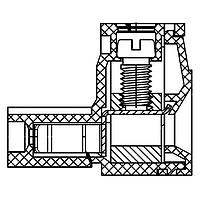
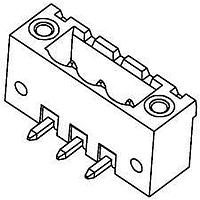
Pluggable Terminal Blocks
Reliable field wiring often depends on one simple requirement: making electrical connections easy to install, service, and replace without rebuilding the entire assembly. That is why Pluggable Terminal Blocks are widely used in control panels, industrial electronics, instrumentation, and embedded systems where fast maintenance and clear wiring organization matter.
In applications that need repeated connection and disconnection, this connector style helps reduce downtime while keeping signal and power interfaces structured. It is especially useful when designers want the convenience of a removable plug combined with the board-mounted stability of a terminal block.
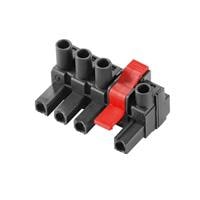
Where pluggable terminal blocks fit in an electrical system
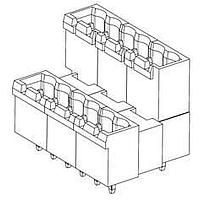
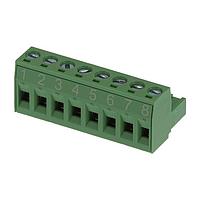
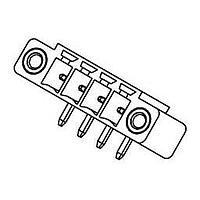
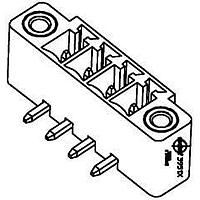
A pluggable terminal block typically consists of two mating parts: a header mounted on the device or PCB, and a plug section where wires are terminated. This arrangement allows technicians to disconnect a wired harness quickly during installation, troubleshooting, or equipment replacement, without loosening each individual conductor every time.
Compared with permanent wiring methods, the main advantage is modular connection. In industrial automation, building control, and machine wiring, that can simplify commissioning and improve service access. For projects that require other connection approaches, related options such as wire-to-board connectors or DIN rail terminal blocks may also be relevant depending on enclosure layout and maintenance strategy.
Common applications in industrial and electronic equipment
These components are commonly selected for interfaces carrying control signals, low-voltage power, communication lines, and device I/O. You will often find them in PLC-related assemblies, interface modules, sensor wiring points, power supplies, industrial PCs, test fixtures, HVAC controls, and monitoring equipment.
The removable design is particularly useful when equipment must be swapped or serviced in the field. Instead of disconnecting every wire one by one, the installer can remove the plug assembly from the mating header, helping preserve wiring order and reduce the chance of reconnection errors.
What to consider when choosing the right type
Selecting the right part usually starts with the electrical and mechanical requirements of the application. Engineers typically review conductor size, number of positions, mounting style, pitch, current path, insulation needs, and how often the connection will be unplugged during the product lifecycle.
It is also important to think about the installation environment. Vibration, available space inside the enclosure, cable routing, and technician access all influence whether a pluggable style is the best fit. In some panels, a more rigid alternative such as fixed terminal blocks or barrier terminal blocks may be preferred for different wiring practices.
Role within a broader connector ecosystem
Pluggable terminal blocks are rarely chosen in isolation. They are usually part of a broader interconnect strategy that may include board connectors, cable assemblies, headers, and panel wiring accessories. In practical design work, the goal is not just to make a connection, but to create a system that is maintainable, clearly labeled, and appropriate for the electrical load.
This is also why buyers often compare terminal blocks with circular or board-level interconnect products from established suppliers such as Amphenol and 3M. While the exact product families vary, these manufacturers are well known across industrial and electronic connectivity applications, making them useful reference points when evaluating overall connection architecture.
Representative products and related components
Within a large electronic components portfolio, some listed products may include connector and interconnect items that support adjacent design needs rather than being identical terminal block formats. Examples from leading brands in this catalog include Amphenol GTS06A22-19PZ-023-116, Amphenol GTS06A22-20PX-023-116, Amphenol SF2950-6688, and 3M 244-5204-00.
Other referenced parts such as 3M 240-4205-01, 3M W-1279-2, 3M 2120-A, or Amphenol 431-124P-52S may serve as useful examples of the wider connectivity ecosystem surrounding board and field termination solutions. When reviewing products, it is worth checking whether the item is a primary connection component, a mating accessory, or part of a broader assembly design.
Why this category matters for maintenance and system design
In many B2B environments, the value of this category is not only electrical connection, but also serviceability. A removable terminal interface can support faster panel assembly, easier module replacement, and cleaner field wiring workflows. That becomes increasingly important in equipment that must minimize downtime or support repeated access during testing and maintenance.
For OEMs, panel builders, and system integrators, the right selection can also help standardize I/O connection points across multiple devices. That consistency supports documentation, technician training, spare-parts planning, and more predictable installation practices.
How to evaluate products on a category page
When comparing available items, it helps to look beyond the part name and consider how the component will be used in the final assembly. Start with mating compatibility, wiring method, mechanical fit, and the expected service workflow. Then review whether the product supports the required installation density and maintenance approach.
If your design combines pluggable interfaces with other terminal management methods, it may also be useful to explore neighboring categories within the same connector family. A well-planned mix of connection technologies often leads to better panel organization and easier long-term support.
Final thoughts
For applications that need organized wiring and convenient disconnect capability, pluggable terminal blocks remain a practical choice across industrial and electronic systems. They help bridge the gap between secure field termination and removable device connection, which is why they continue to be relevant in equipment design, control assemblies, and service-oriented installations.
As you browse this category, focus on the real operating context: wiring method, maintenance needs, mating style, and how the component fits into the full interconnect strategy. That approach makes it easier to narrow down suitable options and choose parts that support both installation efficiency and long-term reliability.
Get exclusive volume discounts, bulk pricing updates, and new product alerts delivered directly to your inbox.
By subscribing, you agree to our Terms of Service and Privacy Policy.
Direct access to our certified experts