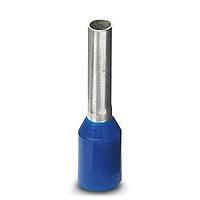
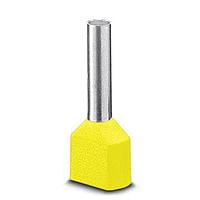
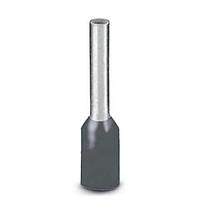
Terminals
Reliable wire termination is one of the small details that has a major impact on electrical performance, serviceability, and long-term safety. In panel building, harness assembly, maintenance work, and equipment integration, choosing the right Terminals helps create stable connections between conductors and studs, screws, or mating connection points without adding unnecessary complexity to the installation.
This category is intended for buyers who need practical connection components for industrial and electronic applications, whether for new builds or replacement parts. It covers terminal products used to secure conductors, support organized wiring, and improve connection consistency across a wide range of assemblies.
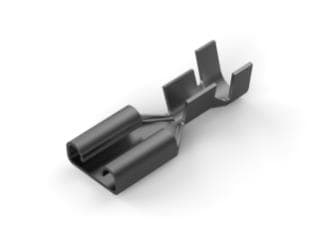
Where terminals fit in an electrical connection system
Terminals are often used at the final interface between a wire and the equipment it serves. Instead of clamping bare conductors directly, many installations use a dedicated terminal format to improve mechanical retention, simplify assembly, and reduce the risk of loose or inconsistent contact over time.
In practical terms, terminals are commonly selected when the application calls for repeatable crimping, easier field replacement, or a cleaner handoff from cable to device. They are especially relevant in control cabinets, distribution points, machine wiring, and harness builds where conductor management matters just as much as electrical continuity.
Common selection factors for terminal products
A good selection process starts with the conductor itself. Wire size, insulation type, expected current, mounting arrangement, and the physical geometry of the connection point all influence which terminal style is appropriate. The goal is not simply to make contact, but to maintain a dependable connection under the mechanical and environmental conditions of the application.
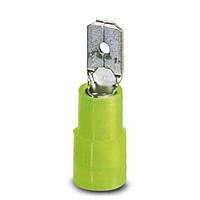
Buyers also typically review whether a terminal is intended for crimping, whether insulation is required, and whether the end connection needs a ring, fork, or another shape suited to the stud or fastener being used. In systems that are exposed to vibration, frequent maintenance, or outdoor conditions, accessory choices and connector protection can be just as important as the terminal itself.
Representative products in this category
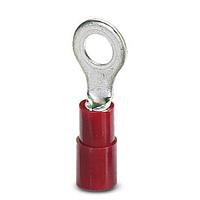
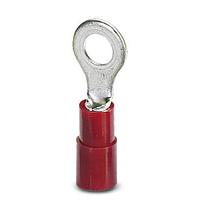
One example from the current range is the 3M MVU10-516R/SK Ring Tongue Terminal 10-12AWG 32mm 13.46mm Tin Case. This type of ring tongue terminal is typically used when the wire must remain securely fastened under a screw or stud, making it a practical option for control panels, grounding points, and electrical assemblies where accidental disconnection should be minimized.
The broader category context also includes connector-related accessories from Amphenol, such as MS27513E16A8PA, MS27513E10F35SC, TVSCC11ZN, ARC40-GKT, and other accessory items. These products illustrate how terminal and connector ecosystems often overlap in real projects: terminations, protection parts, and sealing or mounting accessories are selected together to support a more complete interconnect solution.
Terminal types and application logic
Not every installation needs the same style of termination. A ring format is often chosen when secure fastening is the priority, while other terminal styles may be preferred for faster servicing or tighter installation spaces. The right choice depends on how often the connection will be opened, how much vibration the equipment experiences, and how critical retention is in normal operation.
For buyers working across mixed wiring systems, it also helps to consider adjacent product groups. Some assemblies are better sourced as finished cable assemblies, while others require separate terminal, contact, and connector components for custom harness work. In more modular designs, reviewing available contacts can also help when building a complete connection architecture rather than purchasing individual parts in isolation.
Why accessory compatibility matters
Terminals are rarely chosen in a vacuum. In many industrial and aerospace-style interconnect systems, the surrounding hardware plays a critical role in overall performance. Protective caps, backshell-related items, sealing accessories, and connector hardware help preserve the integrity of the connection against dust, moisture, strain, and handling during installation or maintenance.
The Amphenol TVSCC11ZN Connector Accessories example is useful here because its listed features indicate a protective function with dust-tight and waterproof characteristics in a related connector environment. Even when the terminal itself is the main purchase decision, understanding the broader interconnect ecosystem helps buyers avoid mismatched parts and reduces the chance of rework later in the build process.
Manufacturers commonly specified for terminal and connector projects
This category includes products associated with recognized interconnect and electrical brands such as 3M and Amphenol. Each is relevant in different ways: 3M is often specified for practical wire termination components used in general electrical work, while Amphenol is widely encountered in connector systems and accessories that support more specialized interconnection requirements.
For procurement teams, the key point is not simply brand preference but fit for application. A straightforward panel wiring job may prioritize terminal geometry and wire range, while a sealed or ruggedized assembly may require closer coordination between terminals, accessories, and connector family compatibility. Reviewing manufacturer-specific product families can help narrow options when consistency across a project matters.
How to choose more efficiently for B2B purchasing
For maintenance teams, OEM buyers, and system integrators, the fastest way to select terminal products is to start with a few non-negotiables: conductor size, attachment method, insulation requirement, and the mating hardware on the equipment side. From there, it becomes easier to compare suitable parts without getting lost in model-level detail.
If the application extends beyond basic wire termination, it may also be useful to review related connector formats such as keystone connectors or other interconnect categories that support the same installation environment. This approach is especially helpful for projects that combine field wiring, panel interfaces, and prefabricated connection points in one system.
Final thoughts
Well-chosen terminals support cleaner wiring, more consistent assembly, and easier long-term maintenance. Whether the requirement is a simple ring tongue terminal for 10-12 AWG wire or a termination strategy that sits alongside connector accessories in a larger interconnect design, the real value comes from matching the part to the conductor, environment, and service needs of the installation.
As you compare options in this category, focus on connection method, retention needs, and compatibility with the surrounding hardware. That makes it easier to build a terminal selection that is not only electrically suitable, but also practical for installation, inspection, and ongoing support.
Get exclusive volume discounts, bulk pricing updates, and new product alerts delivered directly to your inbox.
By subscribing, you agree to our Terms of Service and Privacy Policy.
Direct access to our certified experts