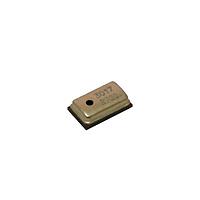
MEMS
Compact audio sensing has become a core requirement in modern electronics, from voice-enabled interfaces to portable measurement equipment and embedded control systems. In these designs, MEMS microphones are widely used because they combine small package size, repeatable performance, and straightforward integration into densely populated PCBs.
Within the broader audio component ecosystem, this MEMS category focuses on miniature microphone solutions suited to space-constrained and performance-driven applications. It is relevant for engineers selecting audio input devices for consumer products, industrial interfaces, IoT nodes, and development platforms where size, sensitivity, and mounting style all matter.
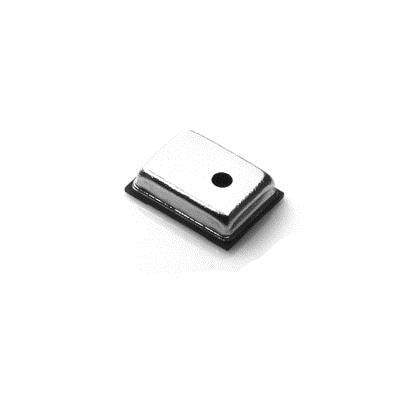
Why MEMS microphones are widely used in embedded designs
Micro-electro-mechanical systems microphones are designed to deliver stable acoustic sensing in a very small form factor. Compared with larger conventional microphone formats, they are often easier to integrate into compact electronics, especially where board space, assembly consistency, and automated manufacturing are important.
For product developers, MEMS devices are especially useful in designs that need low-profile packaging and predictable electrical behavior. They are commonly considered in wearables, handheld products, smart devices, edge nodes, and control panels where audio capture must fit into a tightly constrained mechanical layout.
Where this category fits in the audio component landscape
This page is focused specifically on MEMS-based audio input devices rather than the entire sound chain. If your application is still comparing broader acoustic input options, you may also want to review the full range of microphone technologies available for electronics design.
In many systems, the microphone is only one part of the signal path. Acoustic capture may be paired with playback or alert functions, so related products such as speakers and transducers can also be relevant when building a complete audio interface.
Typical selection factors for MEMS microphones
When choosing a MEMS microphone, engineers usually start with package constraints and interface requirements. Dimensions, port orientation, output type, and mounting approach affect both PCB layout and enclosure design, especially in products where acoustic openings and sealing need to be carefully controlled.
Electrical and acoustic characteristics also matter. Depending on the design goal, teams may evaluate sensitivity, frequency range, impedance, supply voltage, and noise behavior. These parameters help determine whether the microphone is better suited for speech pickup, ambient sound monitoring, compact portable devices, or general embedded audio sensing.
Another practical consideration is the surrounding signal chain. Some applications require a raw microphone element, while others benefit from a board-level solution for prototyping or proof-of-concept work before moving to full production hardware.
Examples of products in this category
Several representative products illustrate the range of integration approaches available. The Analog Devices ADMP404ACEZ-RL Microphone is an example of a compact MEMS device with a specified frequency range of 100 to 15000Hz, making it relevant for general embedded audio capture where a small footprint is important.
Knowles is also well represented in this category, with parts such as the SPM0406HE3H-SB-6, SPU0410LR5H, SPM0408HD5H, and SPM0408HE5H. These examples show how MEMS microphones are offered in multiple package and performance options to support different board layouts and acoustic design targets.
For development and experimentation, the SparkFun SEN-12642 Audio board offers a more accessible board-level format built around an electret microphone concept and onboard signal conditioning. That makes it useful in prototyping, educational builds, and quick evaluation workflows where discrete integration is not the immediate priority.
MEMS compared with other miniature microphone options
Although MEMS microphones are a preferred choice in many new designs, they are not the only option for compact audio input. Conventional miniature microphones, including electret-based formats, still appear in cost-sensitive products, legacy designs, and applications where a familiar analog implementation is preferred.
For example, PANASONIC WM-63PRT and Pro Signal IL-PL21 represent microphone options that may suit projects evaluating alternatives to MEMS architectures. Likewise, Same Sky (formerly CUI Devices) CMEJ-4618-42-L008 shows how electret condenser microphones remain relevant in practical embedded audio designs, particularly when wire leads or a specific mechanical style are needed.
If your requirement is specifically focused on highly integrated silicon-based audio sensing, the products collected on this MEMS audio components page are the most direct starting point for comparison.
Common application areas
MEMS microphones are commonly considered for voice interfaces, occupancy and environmental sound monitoring, portable instruments, conferencing endpoints, and connected consumer devices. Their compact size supports thin industrial design concepts, while their surface-mount form is well aligned with modern automated assembly processes.
They are also relevant in industrial and embedded electronics where audio is used as an auxiliary input rather than the primary function of the device. Examples include operator panels, smart gateways, alert monitoring systems, and test setups that need compact sound detection without adding significant mechanical complexity.
How to narrow down the right part
A practical selection workflow starts with the mechanical envelope: available PCB area, component height, and whether the acoustic port needs top or bottom access. From there, designers can compare analog versus other output approaches, then review key acoustic parameters against the intended operating environment.
It is also useful to separate prototyping needs from production needs. A board like SparkFun SEN-12642 Audio can help teams evaluate signal behavior quickly, while compact production-oriented devices from manufacturers such as Analog Devices or Knowles are typically more relevant once the design moves toward final hardware integration.
For projects with demanding acoustic or environmental constraints, reviewing enclosure design, airflow path, contamination risk, and PCB placement early in the selection process can prevent performance issues later in validation.
Choosing MEMS microphones with better context
MEMS microphones are often selected when a design needs miniaturization, consistent assembly, and dependable acoustic input in a modern electronic package. The category includes solutions for both evaluation and production, with options from established manufacturers such as Analog Devices, Knowles, PANASONIC, Same Sky (formerly CUI Devices), and SparkFun.
By comparing package style, electrical interface, and expected use case instead of focusing on a single headline specification, buyers and engineers can identify parts that fit the real needs of the product. For compact embedded audio systems, this category provides a solid starting point for shortlisting the right audio sensing component for the next design cycle.
Get exclusive volume discounts, bulk pricing updates, and new product alerts delivered directly to your inbox.
By subscribing, you agree to our Terms of Service and Privacy Policy.
Direct access to our certified experts