Speakers & Transducers
Audio output components do much more than generate sound. In embedded systems, industrial interfaces, consumer electronics, alarms, handheld devices, and compact control panels, the right acoustic part helps communicate status, warnings, prompts, and user feedback clearly and reliably. This is why choosing from a broad range of Speakers & Transducers is often an important design decision rather than a minor accessory choice.
On this page, you can explore audio components suited to different integration needs, from compact speakers for audible indication to ultrasonic elements used in sensing-related applications. Whether the goal is voice playback, buzzer-like notification, or space-efficient sound output in a finished product, understanding the role of each device type makes selection easier.
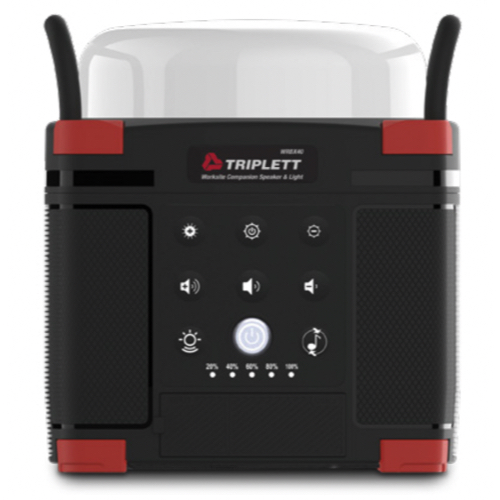
Where speakers and transducers fit in electronic design
In many products, audible feedback is part of the core user experience. Control equipment, portable instruments, smart devices, access systems, and alerting hardware all rely on compact electroacoustic components to convert electrical energy into sound. Depending on the design target, engineers may prioritize size, clarity, mounting style, acoustic output, or compatibility with the rest of the circuit.
This category focuses on components used to produce or convert acoustic energy in practical applications. If your project also involves related front-end signal capture or miniature sensing technologies, it may be useful to review adjacent categories such as microphones or MEMS devices for a broader audio subsystem view.
Common uses for Speakers & Transducers
Speakers & transducers are used in a wide range of products where audible output supports operation, safety, or interaction. Typical examples include notification tones in control units, confirmation sounds in user interfaces, voice prompts in portable electronics, and compact sound output in embedded products where panel space is limited.
Some transducer elements are also selected for specialized acoustic functions beyond conventional sound playback. Ultrasonic parts, for example, are commonly associated with high-frequency acoustic transmission in detection or ranging concepts. In these cases, the component choice depends not only on sound generation, but also on frequency behavior, integration method, and the performance requirements of the overall assembly.
Representative products in this category
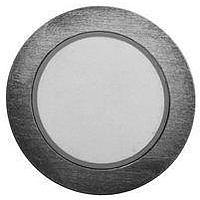
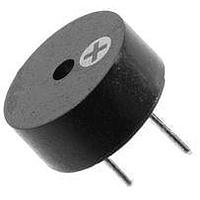
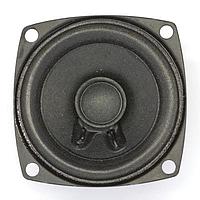
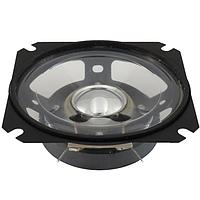
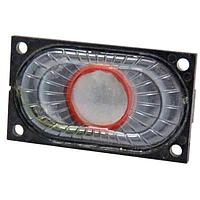
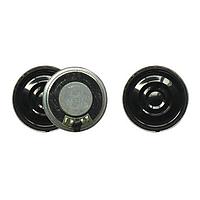
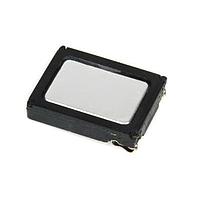
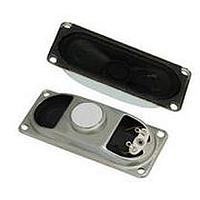
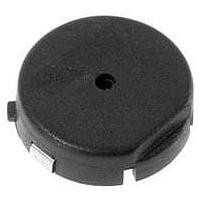
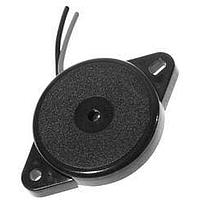
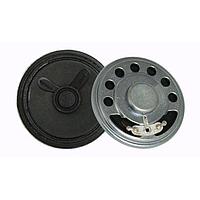
This range includes well-known options from PANASONIC and Knowles, both of which are frequently specified for compact audio and acoustic design work. Within the available examples, models such as PANASONIC EAS-8P29SG, PANASONIC EAS-2P113D, PANASONIC EAS-45P30S, and PANASONIC EAS-G12D531E2 illustrate the variety of speaker formats used in electronic equipment.
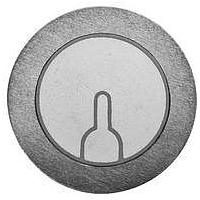
For applications involving ultrasonic functionality, examples such as the Knowles SPM0404UD5 Ultrasonic sensors and PANASONIC EFR-RSB40K5 show how this category can extend beyond standard audible speakers. These parts are relevant when a design requires acoustic transmission behavior that differs from ordinary sound reproduction, especially in compact, electronics-focused implementations.
How to choose the right component
The first step is to define the intended function. A component used for simple status tones may be selected very differently from one intended for richer sound output or from an ultrasonic element used in a sensing-related design. Clarifying whether the requirement is alerts, voice, user feedback, or acoustic transmission helps narrow the field quickly.
Next, consider the mechanical and electrical constraints of the product. Available board or enclosure space, mounting arrangement, drive conditions, and environmental expectations all affect suitability. In compact systems, engineers also need to think about how enclosure design influences acoustic performance, since the final sound is shaped not just by the component itself but by the complete assembly.
It is also helpful to evaluate the broader signal chain. If your design includes both sound capture and playback, pairing this category with speaker and transducer options alongside related audio input components can support a more balanced system-level choice.
Speakers versus ultrasonic transducers
Although they are grouped together in one category, conventional speakers and ultrasonic transducers serve different design purposes. A speaker is typically used to reproduce audible sound for human listeners, such as prompts, tones, or general audio output. Selection usually focuses on acoustic character, size, installation method, and how the part fits the end product.
Ultrasonic devices operate in a different part of the acoustic spectrum and are often used where high-frequency transmission is required. In practical product development, this distinction matters because the surrounding electronics, firmware behavior, and mechanical placement may differ significantly from those of standard speaker implementations. Grouping them together can still be useful for sourcing because both belong to the broader family of electroacoustic conversion components.
Why manufacturer choice can matter
In B2B sourcing, manufacturer preference is often influenced by design history, qualification processes, and long-term product support needs. Brands such as PANASONIC and Knowles are commonly considered when teams need established options for compact audio components or acoustic elements used in electronics integration.
That said, the best fit is usually determined by application context rather than brand name alone. Reviewing dimensions, intended function, and integration requirements is typically more valuable than comparing products only at a superficial level. If you are developing a broader audio assembly, it can also be helpful to compare this range with other audio device components in the wider ecosystem.
Selection support for embedded and industrial projects
For embedded and industrial product development, reliability and integration efficiency are usually as important as sound output itself. A well-chosen audio component should align with the enclosure concept, power budget, control electronics, and the intended user interaction model. Even a small speaker or transducer can affect usability, serviceability, and the clarity of system alerts.
Browsing this category is a practical way to compare compact speaker models and ultrasonic-capable components in one place. By filtering based on application intent and product constraints, engineering and procurement teams can identify parts that are better matched to real design requirements instead of selecting solely by part naming or general category assumptions.
Final thoughts
When a product needs dependable acoustic output or specialized sound conversion, the right component choice helps improve both functionality and user experience. This category brings together speaker and transducer options relevant to modern electronic design, from compact audible output devices to ultrasonic parts used in more specialized concepts.
If you are evaluating components for a new design or replacement sourcing, start with the intended acoustic function, then work outward to mechanical fit, electrical compatibility, and system context. That approach usually leads to a more effective shortlist and a more reliable final selection.
Get exclusive volume discounts, bulk pricing updates, and new product alerts delivered directly to your inbox.
By subscribing, you agree to our Terms of Service and Privacy Policy.
Direct access to our certified experts