Switch Hardware
Small mechanical and mounting parts often determine whether a switch assembly is easy to install, clearly labeled, and durable enough for everyday industrial use. In control panels, machinery interfaces, and operator stations, the right hardware helps transform a basic switch into a complete, serviceable human-machine interface.
Switch Hardware covers the supporting components used with pushbuttons, pilot devices, limit switches, and related operators. Rather than being the main switching element itself, this category focuses on the parts that improve mounting, identification, protection, and compatibility across different switch families.
What belongs in a switch hardware selection?
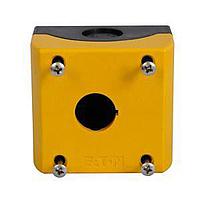
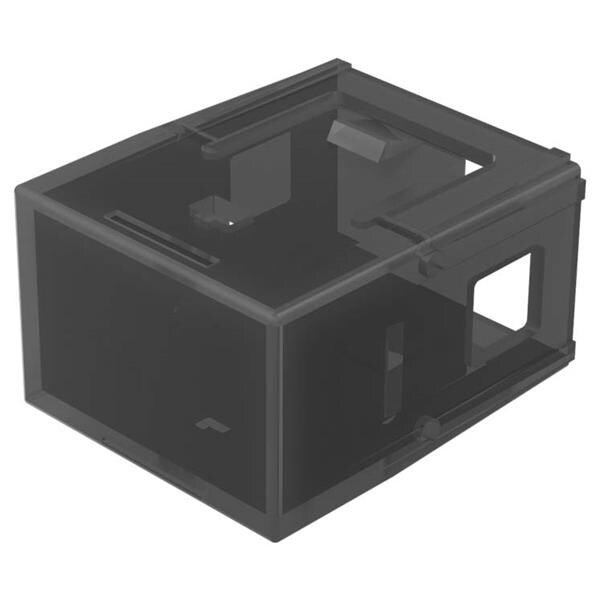
This category typically includes items such as legend plates, button plates, washers, covers, sockets, and mechanical linkage parts used around or with a switch assembly. These components are especially important in industrial control applications where panel layout, operator safety, and visual identification all matter.
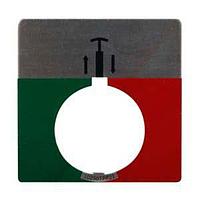
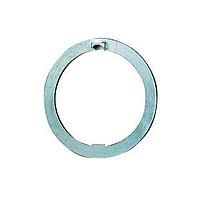
For example, a legend plate can help communicate function at a glance, while a washer or mounting accessory supports secure installation. A cover control kit or extended button can also adapt a standard device to a particular operating style, environmental condition, or panel design requirement.
Typical roles of switch hardware in industrial systems
In practical use, switch hardware supports three main needs: mounting integrity, operator clarity, and system maintainability. Even a simple pushbutton station can require several supporting parts to ensure correct fit, clear labeling, and consistent operation over time.
Hardware accessories are common in machine panels, process equipment, utility enclosures, and OEM assemblies. Where multiple operators are installed close together, identification parts such as plates and legends become especially useful for reducing confusion and supporting faster troubleshooting.
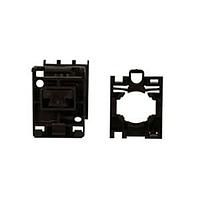
Some accessories also help adapt the switch to a specific enclosure style or operator configuration. If the application involves panel construction and fastening details, related categories such as mounting hardware may also be relevant.
Examples from common product lines
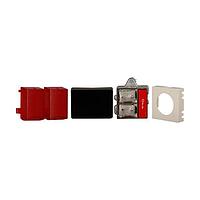
Several products in this category illustrate how varied switch hardware can be. Eaton offers a broad range of supporting parts for its pushbutton families, including items such as the E29KS14 illuminated legend component for E29 series operators, the E29KM1 blank legend plate, and the 10250ED864-3 cover control kit for M22-related pushbutton applications.
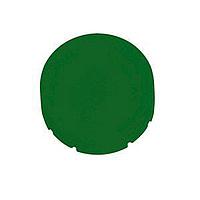
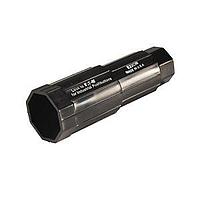
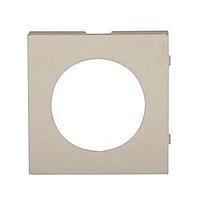
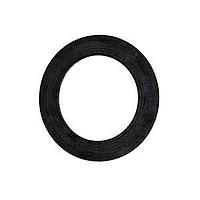
Other examples include the Eaton 11TQ25 and 19TQ18 button plates, which support visual identification and operator differentiation, as well as the M22-XDH-R extended red button plate for non-illuminated 22.5 mm pushbuttons. For legacy or specific mechanical assemblies, parts such as the Eaton 16-908-2 washer and 61-1356 links, bars, and push rods show that switch hardware also includes internal or structural support elements rather than only visible front-panel accessories.
Beyond pushbutton accessories, this category may also include items such as the Banner Engineering OS-8 octal socket or a Honeywell limit switch hardware component. If you work across multiple brands, browsing the broader Eaton, Banner Engineering, or Honeywell ranges can help identify compatible families for your existing control design.
How to choose the right switch hardware
The first step is to confirm the device series compatibility. Many accessories are designed for a specific switch platform such as E29, M22, E30, Q25, or RMQ-16. Even when parts appear similar in size or shape, compatibility can depend on the operator style, mounting diameter, or mechanical interface.
It is also important to review the function of the hardware itself. A legend plate is primarily for marking and identification, while a button plate affects the operator face, and a washer supports mounting. A socket or linkage part plays a different role again, so selecting by application purpose is just as important as selecting by brand or form factor.
Environmental demands should not be overlooked. In industrial settings, hardware may need to support assemblies intended for watertight or oiltight service, or for operation across defined temperature ranges. Where front-panel durability matters, the choice of accessory can affect both usability and long-term maintenance.
Why labeling and operator visibility matter
Many switch hardware items are chosen not because of electrical performance, but because they improve human interaction with the equipment. Color-coded button plates, etched legends, and shaped identification accessories help operators understand machine functions faster and reduce the risk of pressing the wrong control.
This becomes especially valuable in busy panels with start, stop, reset, jog, and alarm acknowledgement functions grouped together. A small part such as a square legend insert or extended button face can make a meaningful difference in daily operation, especially where the panel is used by multiple technicians or production staff.
Integration with broader control panel hardware
Switch hardware is rarely specified in isolation. It usually sits within a larger ecosystem of panel components, including enclosures, wiring accessories, fasteners, and operator interface parts. In some builds, adjacent items such as knobs and dials may be used alongside pushbuttons and selector devices to create a complete manual control station.
For engineering teams, this means the selection process should consider not only the switch family but also panel layout, maintenance access, and replacement strategy. Standardizing hardware across similar machines can simplify spare parts management and help maintain a more consistent operator experience across production lines.
When this category is especially useful
This category is particularly useful when you already know the switch or pilot device family in service and need the matching accessory rather than a complete switch. It is also relevant when refurbishing a control panel, replacing worn operator caps or plates, or updating markings for a modified machine function.
For OEMs and maintenance teams, switch hardware can solve practical issues without requiring a full redesign. Replacing a damaged legend plate, worn button face, socket, or mounting part is often a straightforward way to restore safe and clear operation while keeping the installed switch platform in place.
Final considerations
Choosing the right switch hardware is largely about fit, function, and context. The most suitable part is the one that matches the intended switch series, supports the required mounting or identification task, and aligns with the environmental and operational demands of the application.
Whether you are sourcing legend plates, button plates, sockets, washers, or operator accessories, a well-structured selection helps keep control interfaces reliable, readable, and easier to maintain. For industrial buyers, maintenance teams, and panel builders, that makes this category a practical part of any complete switch assembly strategy.
Get exclusive volume discounts, bulk pricing updates, and new product alerts delivered directly to your inbox.
By subscribing, you agree to our Terms of Service and Privacy Policy.
Direct access to our certified experts