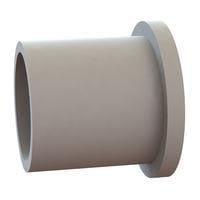
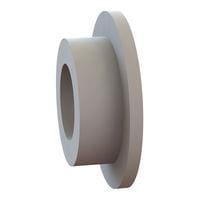
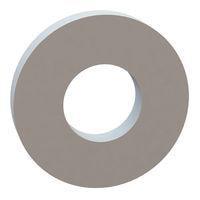
Washers
Small hardware components often determine whether an assembly stays aligned, sealed, and mechanically stable over time. In electrical, connector, and panel-based builds, the right Washers help distribute load, reduce loosening, support spacing, and improve the reliability of fastening points in demanding industrial environments.
This category brings together washer types commonly used in electromechanical hardware and connector-related assemblies. Whether you are selecting flat, lock, shim, brass, nylon, or seal-style variants, the main goal is the same: match the washer to the fastening method, material stack-up, and service conditions of the application.
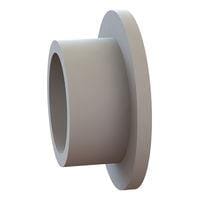
Where washers fit in industrial assemblies
Washers are rarely the most visible part of a build, but they are essential wherever a screw, nut, stud, or threaded connector interface needs better load distribution or retention. In many cases, they protect the mounting surface, reduce local stress, or help compensate for tolerance differences between components.
Within electronics and electromechanical hardware, washers are frequently used around connector bodies, panels, brackets, cable hardware, and enclosure mounting points. They are also commonly selected alongside broader mounting hardware when engineers need a complete fastening solution rather than a single part in isolation.
Common washer types in this category
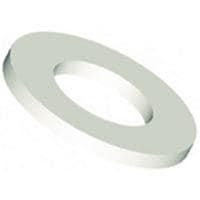
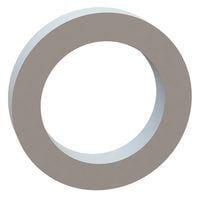
A flat washer is typically chosen to spread clamping force over a wider area and help protect softer surfaces. Parts such as the Amphenol RF 031-5551 flat washer or the Molex 1302030465 flat washer illustrate this straightforward but important role in mechanical support and interface protection.
Lock washers are used where resistance to vibration-related loosening is important. Examples in this category include the DEUTSCH - TE Connectivity 8601-61-7 lock washer and the AMP Connectors - TE Connectivity 329632 lock washer, both of which reflect the need for more secure fastening in connector and hardware assemblies.
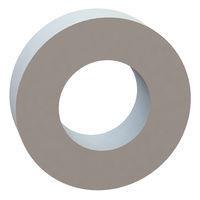
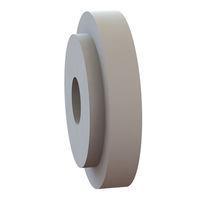
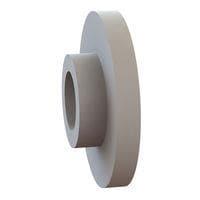
Shim and thrust styles serve more specific mechanical functions. The Molex 63700-4565 shim washer can be relevant where spacing or fine stack adjustment is needed, while the Molex 63700-0269 thrust washer points to applications involving controlled movement, load support, or wear management in mating mechanical parts.
Material and functional considerations
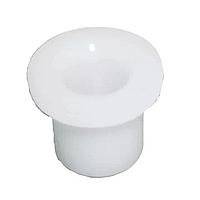
Material choice matters because washers are not only mechanical spacers; they also interact with the surrounding environment and the parts being fastened. A brass washer such as the Molex 63700-0364 may be selected where corrosion behavior, conductivity, or compatibility with surrounding hardware is relevant. A nylon option such as Molex 1302030465 may be more appropriate when electrical insulation, lower surface abrasion, or lightweight construction is preferred.
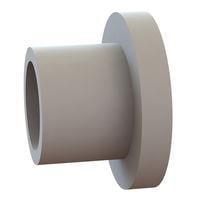
Some washer designs also contribute to sealing or environmental protection. For example, the AMP Connectors - TE Connectivity 25431-2 washer seal highlights that not every washer is used purely for load spreading. In connector systems, seal-style washers may support ingress protection or help maintain interface integrity around mounted components.
Selection factors for engineers and buyers
When choosing washers for industrial procurement, it helps to start with the mechanical purpose of the part. Ask whether the washer is needed for load distribution, anti-loosening performance, spacing, sealing, or surface protection. That simple distinction quickly narrows down whether a flat, lock, shim, thrust, or seal-style washer is the better fit.
Next, review compatibility with the mating hardware and assembly materials. Inner diameter, outer diameter, thickness, and material all influence fit and performance, even when the part appears simple. This is especially important in connector-heavy builds, where washers may need to work with panel cutouts, threaded bushings, or precision fastening points near sensitive components.
For projects involving panel hardware, board-level structures, or other mechanical supports around electronics, it can also be useful to compare related options in PCB circuit board hardware when the washer is part of a larger retention or standoff arrangement.
Representative brands and product examples
This category includes parts from recognized interconnect and hardware manufacturers such as Molex, DEUTSCH - TE Connectivity, AMP Connectors - TE Connectivity, and Amphenol RF. These brands are commonly specified in industrial and electronics-related assemblies where consistency, fit, and compatibility with connector ecosystems are important.
Representative products in the range include the Molex 63700-0269 thrust washer, Molex 63700-4565 shim washer, Molex 63700-0364 brass washer, DEUTSCH - TE Connectivity 8601-61-7 lock washer, AMP Connectors - TE Connectivity 306098-2 washer, and Amphenol RF 031-5551 flat washer. Rather than treating all washers as interchangeable, these examples show how the category supports different installation and retention needs across practical applications.
Typical application areas
Washers in this category are relevant to connector assembly, panel mounting, cable interface hardware, and general electromechanical fastening. They may be used in control cabinets, instrumentation builds, communication equipment, industrial machines, and service assemblies where small hardware decisions affect long-term reliability.
They are also useful in retrofit and maintenance work. Replacing a missing or incorrect washer with the right type can restore proper clamping force, improve alignment, or reduce wear at the fastening interface. In some assemblies, a washer is not just an accessory but a necessary part of the original mechanical design.
How to evaluate washers in a B2B purchasing workflow
For engineering teams, the most efficient approach is to review the washer in the context of the full bill of materials. Check the mating fastener, substrate material, connector family, and any requirements related to sealing or vibration. This reduces the risk of choosing a part that fits dimensionally but does not perform as expected in service.
For purchasing teams, brand alignment can also matter. If your build already uses connector systems from AMP Connectors - TE Connectivity, DEUTSCH - TE Connectivity, Molex, or Amphenol RF, selecting compatible hardware from the same ecosystem may simplify sourcing and help maintain assembly consistency. In broader cabinet and equipment builds, complementary categories such as racks and accessories may also become relevant as the mechanical design expands.
Choosing the right washer for long-term reliability
A washer may be a small line item, but it has a direct effect on fastening quality, mechanical life, and assembly performance. The right choice depends on function first, then material, fit, and compatibility with the surrounding hardware.
By comparing washer style, intended use, and manufacturer ecosystem, buyers and engineers can narrow the selection to parts that genuinely support the application. If your assembly depends on stable fastening, proper spacing, or secure connector mounting, this category provides practical options for building a more dependable hardware stack.
Get exclusive volume discounts, bulk pricing updates, and new product alerts delivered directly to your inbox.
By subscribing, you agree to our Terms of Service and Privacy Policy.
Direct access to our certified experts