
Knobs & Dials
Small interface parts often have an outsized impact on how equipment feels, adjusts, and performs in daily use. In control panels, laboratory instruments, industrial electronics, and embedded devices, the right Knobs & Dials help operators make accurate adjustments, improve handling, and support more consistent manual control.
This category brings together components used to operate and fine-tune electromechanical devices such as potentiometers and related adjustment elements. Whether the requirement is a replacement shaft, a turns-counting dial for precision setting, or supporting accessories for panel-mounted assemblies, choosing the right mechanical interface matters for fit, readability, and repeatable operation.
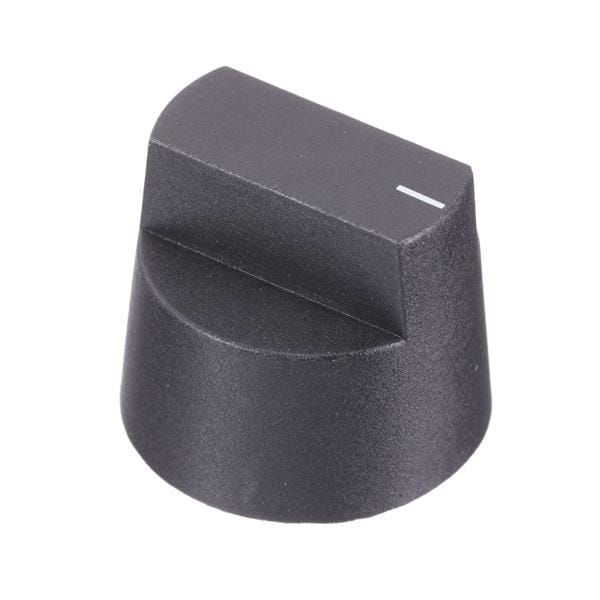
Where knobs and dials are used
These components are commonly selected for applications where users need direct mechanical adjustment rather than digital input alone. Typical examples include test instruments, calibration controls, power electronics, industrial controllers, communication equipment, and serviceable field devices where manual tuning remains practical and reliable.
In many assemblies, the knob or dial is only one part of a larger control chain. A shaft extension, panel seal, or turns-counting mechanism can make a standard potentiometer easier to operate, easier to protect, and easier to read. That is especially useful when precise incremental adjustment is more important than simple on/off switching.
What this category typically includes
The scope of this category is broader than a simple external knob cap. It can include dial mechanisms, potentiometer shafts, panel seals, and other supporting parts used to complete or improve a manual adjustment interface. These parts are important in both OEM builds and maintenance work, especially when a device must match an existing panel layout or shaft geometry.
For example, the Bourns CT-26-6A turns-counting dial is intended for precision potentiometer adjustment, helping users track rotation more accurately during setup. Accessories such as the Bourns H-82 panel seal support environmental protection around compatible potentiometer installations, while shaft parts from TE Connectivity and Amphenol help connect the operator interface to the actual variable element inside the assembly.
Selection points that matter in real projects
When specifying knobs and dials, the first practical checkpoint is mechanical compatibility. Shaft diameter, shaft length, mounting style, interface shape, and panel depth all influence whether a part will install correctly and operate smoothly. Even a small mismatch can lead to poor grip, limited rotation, or inaccurate adjustment.
The second key point is the intended adjustment behavior. A simple shaft may be enough for occasional user control, but a turns-counting dial can be more suitable when repeatability and fine tuning are required. For exposed panels or equipment used in demanding environments, a panel seal may also be worth considering to help reduce contamination around the control opening. Where the overall assembly includes related mounting parts, reviewing suitable hardware can also help ensure a more complete installation.
Examples from leading manufacturers
This range includes parts associated with established electromechanical brands such as TE Connectivity, Amphenol, and Bourns. Each appears in applications where panel controls, compact electronics, and adjustment interfaces need dependable mechanical components rather than generic substitutes.
Representative items in this category include the TE Connectivity 5904620101 potentiometer shaft, Amphenol JPEPL5119NE and JPEPL5012IN shaft variants for PT10 and related series, and the Bourns CT-26-6A dial for precision potentiometers. These examples illustrate the practical mix found in the category: not just visible control parts, but also the supporting elements that make an adjustable device usable in the final product.
How knobs and dials fit into the wider electromechanical system
In a finished product, these components rarely work in isolation. They are part of a broader electromechanical ecosystem that may include switches, relays, protective devices, mounting parts, and control hardware. A manual adjustment component often complements signal routing, actuation, or protection functions elsewhere in the design.
For projects that involve panel control or operator-facing assemblies, it may be useful to compare adjacent product groups such as relays, contactors & solenoids for load control or circuit breakers & accessories for electrical protection. Looking at the system as a whole often makes it easier to choose the right adjustment interface for the end equipment.
Replacement, maintenance, and retrofit considerations
Many buyers come to this category for replacement or retrofit work rather than a clean-sheet design. In those cases, matching the original shaft dimensions, series compatibility, and panel arrangement is often more important than broad feature comparison. Accessories designed for a specific potentiometer family can save time and reduce rework during maintenance.
This is also where product naming can be useful. References such as PT10 series compatibility, support for wirewound resistor assemblies, or use with specific potentiometer families indicate how a part fits into an existing design ecosystem. The goal is not simply to find a visually similar component, but to choose one that supports the intended mechanical movement and installation method.
Choosing the right part for precision adjustment
If the application involves calibration, trimming, or repeated setpoint adjustment, it is worth focusing on operator usability as well as fit. A well-matched shaft or dial can improve grip, make readings easier to repeat, and reduce adjustment error during commissioning or service. In compact equipment, these small improvements can have a meaningful effect on maintenance efficiency.
For more straightforward panel controls, a simpler shaft or sealing accessory may be enough. The right choice depends on how often the control is used, how precise the adjustment must be, and how the surrounding enclosure or panel is constructed. Reviewing the intended mechanical role of the part is usually the fastest way to narrow the options.
Final thoughts
Choosing knobs and dials is ultimately about making manual adjustment practical, accurate, and compatible with the device being built or maintained. From precision turns-counting dials to shafts and panel accessories, this category supports the small but essential components that shape real-world usability.
If you are selecting parts for a new design, upgrade, or replacement task, focus on interface fit, adjustment style, and compatibility with the underlying control element. That approach will help you identify the most suitable components for stable operation and easier handling over the life of the equipment.
Get exclusive volume discounts, bulk pricing updates, and new product alerts delivered directly to your inbox.
By subscribing, you agree to our Terms of Service and Privacy Policy.
Direct access to our certified experts
