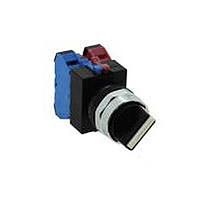
Switches
Reliable control starts with one of the simplest but most important electromechanical elements in a system: the switch. Whether the goal is operator input, mode selection, power isolation, or signal routing, the right switching component helps equipment respond safely and consistently in industrial panels, embedded devices, test fixtures, and OEM assemblies.
Switches in this category cover a broad range of use cases, from compact interface components to application-specific control elements used in electronics and industrial equipment. For engineers, buyers, and maintenance teams, choosing the right option is less about appearance and more about matching electrical function, mechanical format, operating environment, and integration requirements.
Where switches fit in electromechanical design
In practical terms, a switch provides a controlled method to open, close, or redirect an electrical path. That basic action supports many different functions: turning equipment on and off, selecting between operating modes, enabling manual override, resetting devices, or creating a user-facing control point on a panel or enclosure.
Because switches often sit at the boundary between the user and the machine, they need to balance electrical performance with mechanical durability and ease of use. In many assemblies, they also work alongside related control components such as relays, contactors and solenoids, where the switch acts as the input device and the downstream component handles heavier load switching.
Common applications across industrial and electronic systems
This category is relevant to a wide variety of B2B applications. In control cabinets and operator stations, switches are used for start/stop functions, selector positions, maintenance commands, and local control logic. In electronics and embedded products, they can serve as interface controls for configuration, reset, navigation, or compact power control.
They are also widely used in prototyping, lab setups, and field equipment where clear manual actuation is required. Brands such as Alcoswitch - TE Connectivity, Alps Alpine, and Autonics are often considered when buyers need established component families for industrial and electronic integration. Selection typically depends on actuation style, mounting constraints, expected operating cycles, and the environment in which the device will be installed.
How to evaluate the right switch for your application
A good selection process starts with the function the switch must perform. Some applications require a simple maintained on/off action, while others need momentary actuation, multi-position selection, or a specific tactile response. The switching logic itself should be considered first, followed by installation constraints such as panel cutout, PCB layout, termination type, and available space.
The next step is to review electrical rating and operating conditions. Load type, switching frequency, voltage level, and current demand all influence long-term reliability. Environmental considerations matter as well, especially in machinery, outdoor equipment, or dusty production areas where sealing, vibration resistance, and mechanical robustness may be just as important as the electrical specification.
Mechanical format and integration considerations
Mechanical fit is a major factor in avoiding redesign or assembly issues. A switch may need to align with an enclosure opening, match an operator interface layout, or fit into a dense PCB or compact handheld device. Actuator shape, mounting style, termination method, and overall profile should all be reviewed in parallel with the circuit requirements.
Integration can also extend beyond the switch itself. In equipment builds, installers may need related items from hardware categories for mounting and finishing, or adjacent protection components such as circuit breakers and accessories depending on the control architecture. Looking at the switch as part of the full assembly usually leads to better long-term serviceability.
Manufacturer landscape in this category
The manufacturer mix in this category reflects the wide scope of switch applications, from industrial automation to embedded electronics and interface design. Autonics and Banner Engineering are relevant in automation-oriented environments where control devices are part of broader sensing and machine interface systems, while Adafruit and Advantech may be more familiar in development, embedded, and integration-focused projects.
Other recognized names such as Alps Alpine, Amphenol, and AMP Connectors - TE Connectivity may be considered where system-level compatibility, interface quality, or electromechanical integration is important. The best choice depends less on brand visibility alone and more on whether the available series aligns with the application’s switching behavior, lifecycle expectations, and installation method.
Typical buying criteria for OEMs, panel builders, and maintenance teams
OEM buyers often focus on repeatability, dimensional consistency, and long-term availability for production programs. Panel builders tend to prioritize installation efficiency, operator usability, and compatibility with enclosure layouts. Maintenance teams, by contrast, may place more weight on replacement fit, clear function matching, and minimizing downtime during service.
Across all three groups, a few factors repeatedly matter: mounting compatibility, contact configuration, operating feel, environmental suitability, and supplier continuity. Reviewing these criteria early helps prevent issues such as underspecified contacts, poor actuator accessibility, or mismatch between the selected switch and the actual duty cycle of the equipment.
Choosing with the wider control ecosystem in mind
Switches rarely operate in isolation. In a complete electromechanical system, they may be paired with indicators, connectors, protection devices, terminal interfaces, and control relays. Thinking about the whole signal path is especially useful when the switch is used as a human-machine interface point or as part of a safety-related control sequence.
For applications that extend into actuated systems, fluid handling, or machine motion, it can also be helpful to review adjacent categories such as pneumatic equipment where control inputs may interact with broader mechanical processes. This broader view supports better component coordination and a cleaner overall design.
Final considerations before ordering
When narrowing down options, it is worth confirming the intended switching function, installation method, and operating conditions before comparing part families. A switch that fits electrically but not mechanically, or one that feels right but is not suited to the duty cycle, can create avoidable redesign and maintenance issues later on.
This category is best approached as a source for dependable control and interface components within a larger electromechanical system. By focusing on function, environment, and integration requirements, buyers can identify switches that support reliable operation in industrial, commercial, and embedded applications without overcomplicating the design.
Get exclusive volume discounts, bulk pricing updates, and new product alerts delivered directly to your inbox.
By subscribing, you agree to our Terms of Service and Privacy Policy.
Direct access to our certified experts