Power Management IC Development Tools
Power design work moves faster when engineers can validate regulator behavior, startup response, protection features, and board-level implementation before committing to a full hardware spin. Power Management IC Development Tools support that process by giving design teams a practical way to evaluate PMICs, power stages, and supporting circuits under real operating conditions.
For embedded systems, industrial electronics, edge devices, and prototype platforms, these tools help reduce risk early in development. Instead of relying only on datasheets and simulation, engineers can measure power performance directly, compare control approaches, and confirm whether a device is suitable for the target load, thermal envelope, and system architecture.
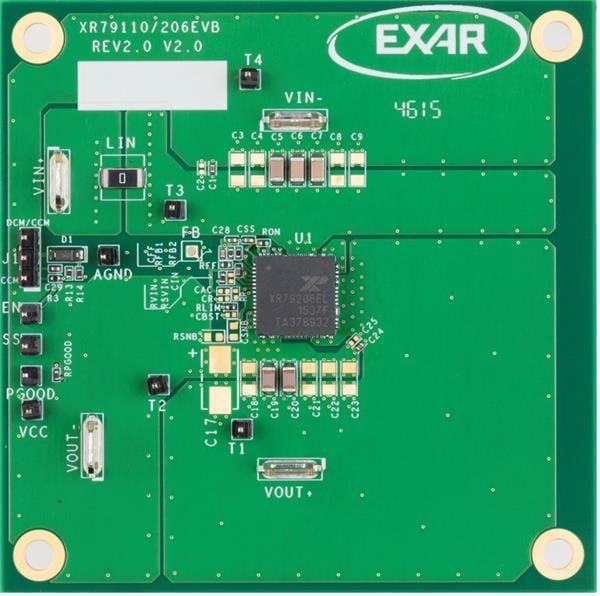
Where these development tools fit in the design workflow
Power-focused development kits are commonly used during component selection, proof-of-concept work, and design verification. They allow teams to study regulation accuracy, transient response, efficiency trends, sequencing behavior, and fault handling before integrating a device into a custom PCB.
In many projects, power design is closely connected with processing, memory, motor control, or communications. That is why teams working on broader platform design may also compare related resources such as communication development tools or memory IC development tools as part of the overall validation environment.
Typical forms of power management IC development tools
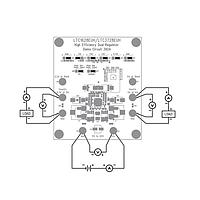
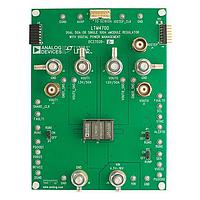
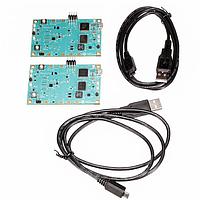
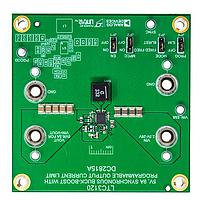
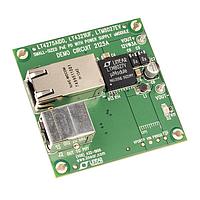
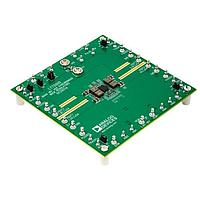
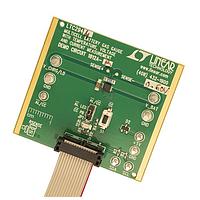
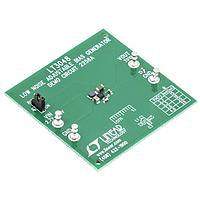
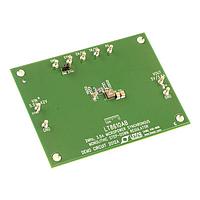
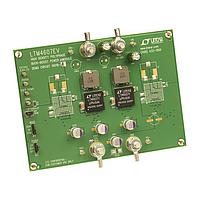
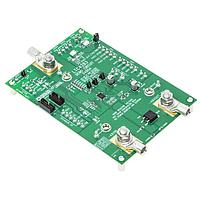
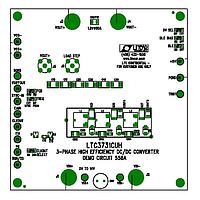
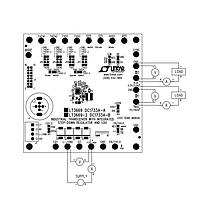
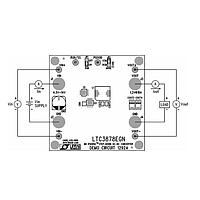
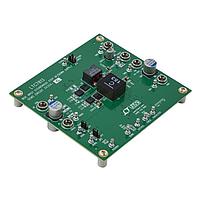
This category generally includes evaluation boards, development kits, and hardware platforms built to demonstrate the operation of a specific power management IC or power subsystem. Their role is not only to power up a device, but also to make testing easier by exposing key nodes, recommended layouts, and practical connection points for lab instruments.
Depending on the application, a kit may be used to review DC/DC conversion behavior, voltage regulation, sequencing, load response, or protection functions. In engineering environments, these tools are especially useful when teams need to compare several PMIC options side by side and make a decision based on measured behavior rather than assumptions.
Representative products in this category
A large portion of the featured products here comes from Allegro MicroSystems, including evaluation kits such as the APEK5940GEJ-01-T-DK, APEK4962KLP-01-T-DK, APEK4957SES-01-T-DK, and APEK4933KJP-01-T-DK. These boards illustrate a common use case for this category: giving engineers a ready-made platform to assess device behavior in a controlled and repeatable lab setup.
Other examples include the Altera EVB-ER3125QI and EVB-EN6337QA power management evaluation development board kits. While each board is tied to its own target device, the broader value is similar across the category: shorten the path from component shortlist to measured results. For teams combining power validation with rapid hardware experimentation, related platforms from Adafruit can also be relevant in mixed prototype environments.
How to choose the right evaluation platform
The best starting point is the intended application. Engineers should look at required input and output conditions, expected load profile, board space constraints, thermal concerns, and whether the target system needs single-rail regulation or more complex power sequencing. Matching the evaluation tool to the real operating environment makes lab results more useful later in the design cycle.
It is also worth considering how the board will be tested. If the goal is quick device familiarization, a straightforward evaluation kit may be enough. If the goal is deeper characterization, teams may prefer platforms that make probing, reconfiguration, and repeated measurement easier. In projects that intersect with motion or actuator control, adjacent hardware such as the Adafruit 1940 TB6612FNG motion motor control expansion board can provide additional system-level context even though its role is different from a PMIC evaluation board.
What engineers usually evaluate on these boards
Most lab work with these tools focuses on a few core questions: does the device regulate correctly across the expected operating range, how stable is it under dynamic load conditions, and how does it behave during startup, shutdown, and fault events? These questions are fundamental in industrial and embedded power design because minor issues in the power stage can affect the entire system.
Teams may also use these boards to review efficiency, thermal behavior, switching characteristics, and compatibility with the surrounding architecture. That can be especially important when the power stage must support processors, sensors, communication modules, or other development hardware that will eventually be integrated into the end product.
Why these tools matter in B2B engineering procurement
For engineering teams, purchasing an evaluation kit is often not just about obtaining a sample board. It is part of a broader decision process that includes design feasibility, test planning, validation effort, and time-to-market. A suitable PMIC development board can help teams reduce uncertainty before they commit to volume components or custom layout work.
In B2B environments, this category is also useful for cross-functional teams. Design engineers need realistic validation hardware, while sourcing and project teams need confidence that shortlisted components have been properly reviewed. That makes development tools valuable not only in R&D labs, but also in structured product development workflows where technical risk must be managed early.
Related tools and broader development ecosystems
Power validation rarely happens in isolation. Many systems combine voltage regulation with connectivity, storage, sensing, or imaging, so engineers often build a broader bench setup around the PMIC evaluation board. In some projects, that may involve test accessories and starter hardware from categories such as assortment kits, especially during early-stage prototyping.
Looking at the ecosystem around the power stage can make selection easier. If the target application includes cameras, wireless modules, or memory-intensive processing, the right power development platform becomes part of a larger validation strategy rather than a standalone purchase.
Choosing with confidence
This category is built for engineers who need a practical route from component research to real-world measurement. Whether the goal is to assess an Allegro MicroSystems evaluation kit, compare Altera development boards, or support a wider prototype workflow, the right tool helps clarify power behavior before a design is finalized.
By focusing on application fit, test objectives, and integration needs, teams can use power management IC development tools more effectively and make better-informed design decisions with fewer surprises later in the project.
Get exclusive volume discounts, bulk pricing updates, and new product alerts delivered directly to your inbox.
By subscribing, you agree to our Terms of Service and Privacy Policy.
Direct access to our certified experts