Hot stick
Working on energized or recently isolated electrical equipment requires more than procedural discipline. It also depends on using the right insulated tools to keep technicians at a safe distance during switching, fuse handling, and line-side intervention. In this context, hot stick products are a core part of electrical safety practice for utilities, substations, industrial power systems, and field maintenance teams.
This category brings together insulated operating sticks and related hook configurations used to perform routine tasks without direct contact with live parts. Whether the job involves opening disconnects, removing fuse links, or extending operator reach in high-voltage environments, selecting the proper length, construction, and accessory interface is essential for both safety and practicality.
Where hot sticks are used in electrical work
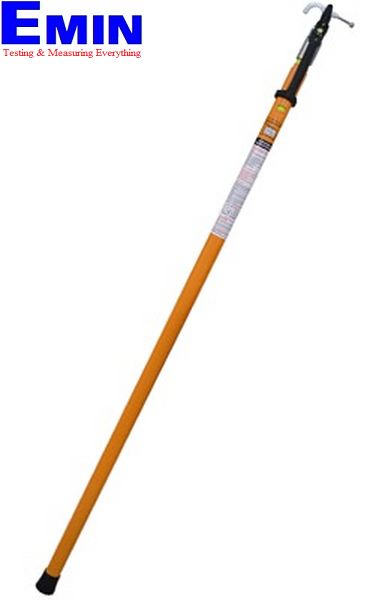
A hot stick is commonly used when personnel must operate equipment from a controlled distance. Typical applications include extracting fuses, handling isolators, operating fuse switch disconnections, and performing basic switching actions where direct manual contact would be unsafe or prohibited by procedure.
These tools are especially relevant in utility maintenance, distribution panels, outdoor switching points, substations, and industrial electrical systems. In many workflows, they are used together with other protective items such as insulating gloves and boots to form a more complete electrical safety setup.
Common hot stick formats in this category
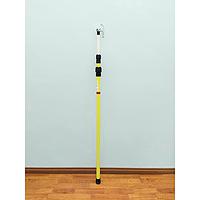
The category includes both fixed-length hot sticks and telescopic hot sticks. Fixed-length versions are often preferred when users want a simple, rigid tool for repetitive tasks at a known working distance. Telescopic designs are useful when transport length, storage space, and variable reach are important in field operations.
Examples in this range include the SEW HS-120C Hot Stick (1.8m with handle), SEW HS-120B Hot Stick (1.8m), and SEW HS-120R Hot Stick (Long 1,2m). For longer reach requirements, telescopic models such as the SEW HS-178-3, HS-178-4, HS-178-5, HS-178-7, HS-175-5, HS-175-6, and HS-175-8 illustrate how different section counts and extended lengths support different voltage classes and working distances.
How to choose the right hot stick
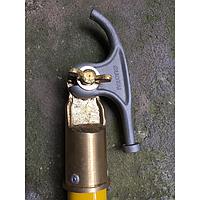
The first selection factor is the actual task. A tool intended for fuse extraction or disconnect operation should match the mechanical action needed at the equipment end. Some products in this category are supplied with or designed for a disconnect hook, while others support interchangeable fittings or fuse extractor heads. The VIỆT NAM mocsaocachdien Disconnect hook is an example of an accessory type used for switching and handling tasks within an insulated tool setup.
The second factor is reach. A compact model may be suitable for controlled indoor environments or lower working heights, while a longer telescopic unit may be more appropriate for outdoor switching or higher-voltage installations. It is also important to consider retracted length for transport, overall weight for operator fatigue, and whether the tool will be used occasionally or as part of frequent maintenance routines.
Another practical point is compliance and insulation performance. Several listed SEW products reference IEC 60855 or specified withstand ratings, which helps buyers compare tools for procedural suitability. Even so, the final decision should always align with site safety rules, operating method statements, and the voltage level of the installation.
Examples of products in the range
SEW is one of the most visible manufacturers represented in this category, with a broad mix of fixed and telescopic insulated operating sticks. The HS-120 series is suited to general switching and fuse-related handling tasks, while the HS-175 and HS-178 series provide longer reach through multi-section telescopic construction.
For example, the SEW HS-178-3 Telescopic Hot stick offers a shorter telescopic format for applications around the 35kV class, whereas the HS-178-5 and HS-178-7 extend that concept for higher reach and higher-voltage work. Models such as the SEW HS-175-6 and HS-175-8 support teams that need extended operating distance combined with transportable retracted dimensions.
Because operating method varies by site, some users also look for compatible accessories or hooks rather than a stick alone. In those cases, the role of the head fitting, hook attachment, or extractor interface becomes just as important as the pole length itself.
Material, construction, and handling considerations
Many hot sticks in this category use fiberglass construction, a common choice for insulated tools because it balances dielectric performance, mechanical strength, and manageable weight. For the user, this translates into equipment that is practical for field handling while still designed for electrical safety applications.
Section count also affects handling. A tool with more telescopic sections may offer excellent reach in a compact form when retracted, but buyers should also review deployed rigidity, working posture, and the type of maneuver required at the end fitting. For repetitive operation, ergonomics and ease of extension can matter almost as much as nominal length.
In broader field preparation, teams often combine insulated operating tools with other protective items such as insulating carpet where the working environment calls for extra insulation underfoot or around switchgear access points.
Brand coverage and ecosystem context
Beyond SEW, this category context also highlights established manufacturers such as HASEGAWA, Seaward, Bierer Meters, MULTI, Terex Ritz, Hasting, and Tuf-Pole. For procurement teams, this matters because hot sticks are rarely purchased in isolation; they are usually part of a wider safety and live-working toolkit shaped by site standards, maintenance habits, and brand preference.
When comparing options, it is often useful to think in terms of the overall operating ecosystem: insulated stick, hook or extractor head, carrying bag, voltage detection workflow, and personal protective equipment. That approach helps avoid selecting a product that is technically suitable on paper but awkward in daily use.
What buyers should verify before ordering
Before placing an order, confirm the intended application, operating voltage environment, required reach, and whether the tool is for indoor switchgear, outdoor distribution equipment, or substation use. Also check whether the required attachment is included or optional, especially for disconnect hooks or fuse extraction heads.
It is equally important to review inspection and maintenance practices after purchase. Insulated tools should be handled, stored, and checked according to applicable safety procedures. If your team is building out a more complete field safety kit, it may also be useful to review related categories such as first aid equipment for emergency readiness alongside electrical protection tools.
Choosing a practical solution for your maintenance team
The right hot stick is not simply the longest or most feature-rich model. A suitable choice is one that matches the task, the voltage environment, the operator’s working method, and the broader safety procedure used on site. Fixed-length and telescopic options each have clear advantages depending on how and where the tool will be used.
This category is intended to support that selection process with insulated operating sticks, disconnect hook solutions, and representative models from recognized manufacturers. If you are comparing options for switching, fuse handling, or live-line safety procedures, focusing on reach, attachment compatibility, handling, and application fit will usually lead to a more reliable purchasing decision.
Get exclusive volume discounts, bulk pricing updates, and new product alerts delivered directly to your inbox.
By subscribing, you agree to our Terms of Service and Privacy Policy.
Direct access to our certified experts