LCD Displays
Clear visual output is often the last link between electronic hardware and the user. Whether the requirement is a compact monochrome module for embedded equipment, a commercial information screen, or a high-resolution monitor for graphics and control applications, choosing the right LCD display affects readability, integration effort, and overall system usability.
This category brings together LCD display options used across industrial electronics, instrumentation, embedded design, and professional visual applications. The range covers both simple display modules and more advanced screens, making it easier to compare solutions for different environments, signal paths, and user-interface needs.
Where LCD displays fit in real-world systems
LCD technology remains widely used because it offers a practical balance of visibility, size flexibility, and integration options. In industrial and electronic systems, displays may be used to show measurements, alarms, operating states, menus, graphical interfaces, or instructional content. The exact display format depends on how much information needs to be presented and how the operator interacts with the equipment.
Simple modules are often selected for compact instruments and embedded devices, while larger panels are suitable for signage, dashboards, and workstation viewing. If your project also involves related technologies, it can be helpful to compare this range with ePaper displays for low-refresh visual applications or with display controllers and drivers when signal management and interface control are part of the design scope.
Different LCD display types for different needs
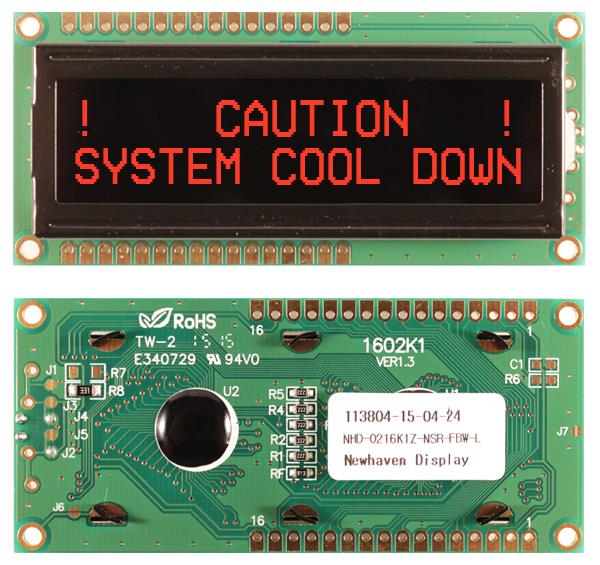
Not every LCD display is intended for the same task. Some products focus on compact information output with low-complexity visuals, while others are designed for detailed graphics and larger-format content. This category is suitable for buyers looking at both component-level displays and complete screen solutions, depending on the target application.
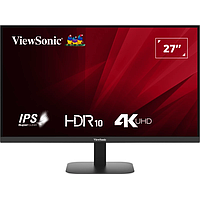
For example, the DILLON AWT25-501254 Display LCD B&W FSTN 67X40 reflects the type of monochrome LCD module often used where straightforward character or graphical indication is required. At the other end of the spectrum, the Viewsonic VA2708-4K-MHD Graphics Display illustrates how LCD technology also serves professional display environments that need larger screen size and high image detail. Between those two examples, products such as the FLUKE IWC6254 SafeCount LCD Display Screen (10") show how LCD screens can support commercial-grade messaging and operational display functions.
How to choose the right LCD display
A useful starting point is to define the viewing task. If the screen only needs to show status values, short messages, or basic interface elements, a smaller monochrome or segmented-style solution may be more appropriate than a large-format panel. If users need to review complex graphics, multiple windows, or high-detail content, resolution and screen size become far more important.
Buyers should also consider the broader system architecture. Interface compatibility, available processing resources, mechanical dimensions, and intended operating environment all influence selection. In projects where the display is only one part of a larger design, related parts such as LCD drivers may be relevant for implementation, especially when the application requires tighter control over display behavior and signal handling.
Examples from leading manufacturers
This category includes products from recognized suppliers serving different parts of the display ecosystem. FLUKE is represented here with the IWC6254 SafeCount LCD Display Screen, a 10-inch commercial-grade non-touch smart display intended for customizable and split-screen messaging. That kind of product is relevant where information must be presented clearly in public-facing or operational environments.
Renesas Electronics appears in the range with the TW8825-LA1-CR, a device centered on LCD video processing and control functions. While not a finished viewing panel in the same sense as a monitor, it highlights how LCD-based systems often depend on supporting electronics to manage decoding, on-screen display, timing, and control. Vishay and DILLON further reflect the breadth of the category, from component-oriented display parts to application-specific solutions, while Viewsonic represents the more complete display end of the spectrum.
LCD displays in embedded and industrial design
In embedded systems, the display is rarely selected in isolation. It has to work with the enclosure, user interface, processing hardware, and power budget. A small LCD can be ideal for instruments, controllers, and dedicated devices where the objective is dependable visual feedback without unnecessary complexity. In these cases, readability, layout efficiency, and ease of electrical integration often matter more than visual richness.
In industrial or commercial environments, a larger LCD may be used to present operating data, instructions, queue information, or process status. The FLUKE screen mentioned above is a good example of how a display can serve as a practical communication layer rather than just a visual component. For more conventional module-based options, buyers may also want to browse the broader LCD display range according to size, format, and application needs.
Why supporting components matter
Display performance is not only defined by the panel itself. In many designs, the quality of the visual output depends on how well the system handles image processing, timing, signal conversion, and user-interface overlays. That is why some display-related products in this ecosystem are not display panels but supporting semiconductors and control devices.
The Renesas Electronics TW8825-LA1-CR is a good example of this supporting role. For engineers and technical buyers, this reinforces an important point: selecting an LCD solution often means evaluating both the visible screen and the electronics behind it. A successful implementation usually comes from matching the display hardware with the right control architecture rather than focusing only on size or appearance.
Finding a display that matches your project scope
Some buyers come to this category looking for a replacement screen, while others are sourcing for a new design or a complete visual interface. The right decision depends on whether the priority is compact integration, user readability, graphical detail, or message delivery. Reviewing display size, intended content, and system compatibility early can narrow the options quickly and prevent mismatches later in the project.
From monochrome modules to commercial smart screens and graphics-oriented monitors, this category supports a wide range of technical requirements. If your application also involves control ICs or alternative display technologies, exploring adjacent display categories can help build a more complete and practical solution.
LCD displays continue to be a versatile choice across embedded electronics, industrial equipment, and professional visual systems. By comparing display format, intended use, and supporting hardware requirements, buyers can identify solutions that fit both immediate operating needs and long-term integration plans.
Get exclusive volume discounts, bulk pricing updates, and new product alerts delivered directly to your inbox.
By subscribing, you agree to our Terms of Service and Privacy Policy.
Direct access to our certified experts