LCD Modules & Accessories
When a product needs a reliable visual interface, the display module often becomes a critical part of the overall design. In industrial equipment, embedded systems, HMIs, and measurement devices, the right screen affects readability, integration effort, and long-term operating stability. This is where LCD Modules & Accessories are especially relevant, covering display options for applications that need practical visual output rather than consumer-style presentation alone.
Within this category, buyers typically look for a balance of screen size, resolution, interface compatibility, backlight type, and environmental suitability. From compact QVGA and WQVGA panels to larger VGA, SVGA, and higher-resolution TFT options, the range supports both legacy equipment maintenance and new product development.
Where LCD modules fit in modern equipment design
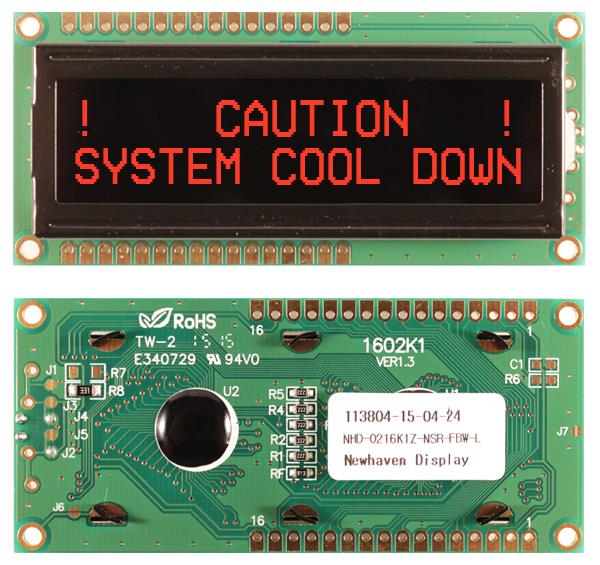
LCD modules are widely used wherever operators, technicians, or end users need clear on-screen information. Typical use cases include control panels, diagnostic interfaces, test systems, medical devices, transport equipment, and industrial automation hardware. In these environments, the display is not just a visual component; it is part of the machine interface and directly affects usability.
Compared with other display technologies, LCD modules remain important because they offer a broad mix of sizes, resolutions, and electrical interface formats. For projects that require alternative display technologies or supporting electronics, it can also be useful to review related categories such as LCD displays or display controllers and drivers when planning a complete display subsystem.
Key display formats found in this category
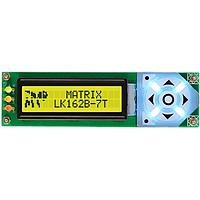
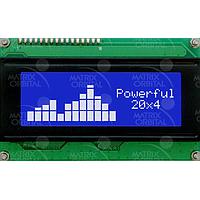
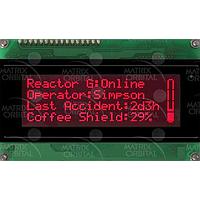
This selection includes both TFT modules and LCD character-oriented products, making it suitable for different levels of interface complexity. TFT modules are commonly chosen when the application needs richer graphics, icons, multiple screens, or higher information density. Character or simpler LCD formats are often preferred in systems where straightforward status indication is more important than graphical presentation.
The available examples show a practical spread of formats. Smaller modules such as the Renesas Electronics NL2432HC22-50A reflective 3.5in QVGA display support compact designs, while models like the Sharp LQ104V1LG81 10.4in VGA panel and Sharp LQ084S3LG03 8.4in SVGA panel address equipment that requires a larger viewing area. For higher-resolution legacy or specialist applications, the Sharp LQ231U1LW01 23.1in TFT module illustrates the broader range that can exist within industrial LCD sourcing.
Important selection factors for LCD modules
The best choice usually starts with the application rather than the panel alone. Screen size and resolution should match the amount of information to be shown and the expected viewing distance. A compact 4.3in or 6.69in screen may be appropriate for embedded controls, while 8.4in or 10.4in panels are often easier to read on industrial equipment and operator stations.
Electrical integration is equally important. Interface type, pin count, and signal format can influence compatibility with the host board, controller, or existing system architecture. Examples in this category include modules with LVDS and digital interfaces, which are common considerations in embedded display design. Buyers should also review brightness and backlight technology where visibility is critical, especially for equipment used in bright factory conditions or variable ambient lighting.
Environmental and lifecycle considerations
Industrial and B2B buyers often need more than a display that simply powers on. Temperature range, backlight type, and long-term availability can all matter when the product will be installed in machinery, field devices, or instruments expected to stay in service for years. A panel such as the Sharp LQ084S3LG03, with an extended temperature range listed in its product data, points to the type of requirement often seen in demanding installations.
It is also useful to consider maintenance and replacement strategy early in the project. In many cases, LCD modules are sourced not only for new equipment builds but also for service stock, retrofit projects, or replacement of aging displays in installed systems. That makes consistency in fit, interface, and visual performance especially important during procurement.
Representative manufacturers and product examples
This category includes products from established display suppliers such as Renesas Electronics, Sharp, and HITACHI. These names are relevant in industrial and embedded display sourcing because engineers often need dependable module formats that can be integrated into existing designs with predictable mechanical and electrical characteristics.
Representative products include the Renesas Electronics NL6448AC33-29 10.4in VGA TFT module, the Renesas Electronics NL6448AC20-06 6.69in VGA TFT display, and the Renesas Electronics NL4827HC19-05B 4.3in TFT WQVGA module. On the Sharp side, models such as the LQ104V1LG81 and LQ084S3LG03 show typical mid-size TFT options, while HITACHI LMG5278XUFC00T highlights another route for LCD module sourcing where resolution and form factor need to match a specific design requirement.
How accessories and supporting components affect integration
In display projects, the module itself is only one part of the solution. Mechanical mounting, signal conversion, controller compatibility, and drive electronics can all shape the final implementation. That is why accessories and related parts matter, especially in professional systems where the display must work reliably with the rest of the hardware stack.
For designs that require dedicated drive support, browsing LCD drivers can help clarify how the display will be controlled at system level. This is particularly relevant when matching older panels, working with specialist interfaces, or building a complete embedded display platform around a selected module.
Choosing the right LCD module for your project
A practical shortlisting process usually begins with five questions: what needs to be shown, how large the viewing area should be, what electrical interface is available, what operating environment the system will face, and whether the project is for new design or replacement. These questions quickly narrow the field and help avoid selecting a display based only on screen size.
For compact interfaces, a smaller TFT such as a 3.5in or 4.3in model may be sufficient. For operator-facing equipment, larger VGA or SVGA modules often provide a better balance between readability and integration effort. If the application involves servicing older machinery, matching the original panel format and interface may be more important than moving to a newer display specification.
Final thoughts
Finding the right LCD module is usually about system fit, not just display specifications in isolation. Resolution, brightness, interface type, temperature performance, and mechanical constraints all contribute to whether a panel will work well in the real application.
This category brings together practical options for engineers, buyers, and maintenance teams looking for industrial display modules and related components. Whether the need is a compact TFT for embedded equipment, a larger panel for an operator interface, or a replacement module for an installed system, a careful review of application requirements will lead to a more reliable and efficient selection.
Get exclusive volume discounts, bulk pricing updates, and new product alerts delivered directly to your inbox.
By subscribing, you agree to our Terms of Service and Privacy Policy.
Direct access to our certified experts