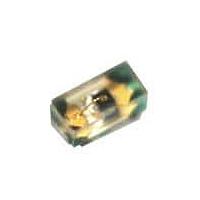
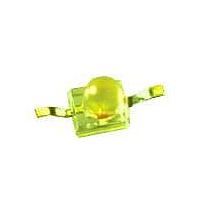
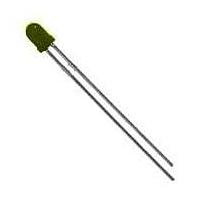
Single Color LEDs
Choosing the right LED component often starts with a simple requirement: one stable color, predictable electrical behavior, and a package that fits the design. For indicator panels, backlighting, signaling, automotive electronics, and embedded hardware, Single Color LEDs remain a practical and widely used option because they simplify optical design while supporting clear visual output.
This category brings together devices intended for applications where one defined emission color is preferred over color-mixing solutions. That can mean visible indication in green, white output for illumination-oriented designs, or other fixed-color implementations where consistency, mounting style, and drive conditions matter as much as brightness.
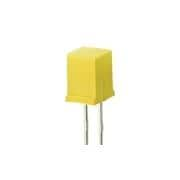
Where single color LEDs are commonly used
In industrial and electronic products, single color emitters are commonly selected for status indication, user-interface feedback, machine panels, control boards, and compact lighting assemblies. A fixed-color LED helps engineers maintain a clear visual language in the product, whether the goal is a simple power indicator, a warning signal, or a dedicated illumination source.
They are also relevant in more specialized designs such as automotive modules, sensor-assisted equipment, and tightly integrated surface-mount assemblies. Compared with multicolor LED options, a single-emission device is often easier to integrate when the application does not require switching between different visual states in one package.
Key selection factors for this category
When comparing parts in this category, it helps to look beyond color alone. Engineers typically review mounting type, package size, viewing angle, forward voltage, test current, and optical output. These parameters affect PCB layout, thermal handling, driver design, and the final appearance of the illuminated area.
For example, some parts are optimized for compact indicator use, while others are built for higher luminous flux or broader beam distribution. White single color devices can range from lower-power SMD emitters to larger COB-style solutions intended for more substantial light output. If the application specifically needs broad illumination performance, it may also be useful to review white LED products alongside general-purpose single color devices.
Representative products in the range
Several examples in this category illustrate the breadth of available designs. The ams OSRAM portfolio includes parts such as the GW CSSRM2.PM-N1N3-A737-1 LED Modules, the Q65110A2185 automotive green LED, and the KW CELNM1.TG-Z7N4-EBXDEBZB46-1565-HE series, showing how this category can cover both module-level and discrete emitter requirements.
From Cree LED, examples like the MX6SWT-H1-0000-000CAA, XPEWHT-L1-R250-00DF5, and CXA1816-0000-000N0YJ427H demonstrate different form factors and output levels, from surface-mount white emitters to COB configurations. Broadcom also appears in the range with parts such as the ASMT-JY33-NRS01 and HSMA-A100-Q7NJ1, which align well with indication-focused or board-level signaling applications.
Understanding package and performance differences
Not every single color LED serves the same design purpose. A compact PLCC or small SMD package may be the right fit for dense control boards, handheld devices, or front-panel indicators. A larger emitter or module can be more suitable when the design calls for higher optical output, wider light distribution, or improved thermal management.
Viewing angle is especially important in products with user-facing indicators or illumination surfaces. A narrow beam can help concentrate light in a defined direction, while a wider beam is often preferable for even visual coverage. Similarly, forward voltage and drive current should be matched carefully with the driver circuit to avoid underdriving, unnecessary losses, or thermal stress.
Choosing LEDs for indicator vs. illumination applications
A useful way to narrow the selection is to separate the application into two broad groups: indication and illumination. For indication, engineers often prioritize package compactness, color clarity, PCB compatibility, and visibility at the intended viewing distance. Parts like the Broadcom HSMA-A100-Q7NJ1 surface mount LED indicator fit this kind of requirement more naturally than a high-output lighting emitter.
For illumination-oriented designs, white single color devices such as the Cree LED CXA1816-0000-000N0YJ427H or MX6SWT-H1-0000-000CAA may be more relevant because parameters such as luminous flux, color temperature, and beam spread become more significant. In applications outside the visible spectrum, a separate category such as IR LEDs is typically the better path when the goal is sensing, communication, or non-visible emission.
Manufacturer coverage and sourcing considerations
This category includes products from recognized suppliers used across electronics and industrial design. ams OSRAM, Cree LED, and Broadcom are among the most relevant names in the current selection, with offerings that span discrete LEDs, indicators, and LED modules.
For B2B sourcing, the practical decision is usually based on a mix of optical performance, form factor, assembly preference, and application environment. Automotive use, machine status indication, compact consumer electronics, and lighting subassemblies can all require different trade-offs, so it is worth reviewing each product page for package style and operating characteristics before finalizing a design-in choice.
How to narrow down the right part
Start with the required emission color and intended function, then confirm the electrical and mechanical fit. Check whether the design needs a standard SMD package, a compact indicator format, or a higher-power module or COB style. After that, compare operating current, voltage, output level, and beam pattern against the actual conditions of the end product.
If the visual requirement is strictly one fixed output color, this category is usually the most direct place to search. It supports a wide range of design needs without adding the complexity of dynamic color control, making it suitable for everything from simple board indicators to dedicated white-light assemblies.
Single color LED selection is ultimately about matching optical intent with package, drive conditions, and installation constraints. By comparing application type, mounting format, and output behavior, buyers and engineers can identify parts that fit both the electrical design and the end-use environment more efficiently.
Get exclusive volume discounts, bulk pricing updates, and new product alerts delivered directly to your inbox.
By subscribing, you agree to our Terms of Service and Privacy Policy.
Direct access to our certified experts