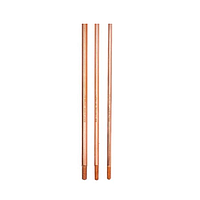
Grounding rod
Reliable earthing starts with a well-chosen electrode. In power systems, telecom sites, industrial plants, and building protection networks, a grounding point is not just a regulatory detail; it is a functional part of electrical safety, surge dissipation, and equipment protection. Selecting the right grounding rod helps create a stable path for fault current and improves the overall performance of the grounding system.
On this category page, you can explore grounding rod solutions used in lightning protection and earthing installations, along with related materials that support lower earth resistance, durable connections, and long-term field reliability.

Where grounding rods are used
A grounding rod is commonly installed as part of an earthing network for buildings, switchboards, outdoor cabinets, substations, renewable energy systems, and industrial equipment. Its main role is to transfer electrical fault current or surge energy into the ground as safely and efficiently as possible. In lightning protection systems, it also supports the dissipation path that helps reduce the risk of damage to sensitive assets.
Actual installation performance depends on more than the rod alone. Soil conditions, moisture level, installation depth, conductor routing, and connection quality all affect the final earth resistance. For that reason, grounding rods are often selected together with complementary materials such as earth resistance reduction compounds when site conditions are difficult.
What to consider when choosing a grounding rod
The first selection factor is the installation environment. Corrosive soil, coastal locations, heavy industrial sites, and high-moisture areas may require closer attention to material durability and service life. Mechanical strength is also important, especially where rods are driven into compact ground or used in larger earthing grids.
Another key point is system compatibility. The rod should match the conductor size, jointing method, and installation approach used across the rest of the grounding system. In many projects, buyers also review rod diameter, length, and connection method to ensure the product fits the site design and installation practice without unnecessary adaptation.
Connection quality matters as much as the rod itself
A grounding system is only as reliable as its weakest joint. Even when the electrode is correctly selected, poor bonding between the rod and conductor can increase resistance over time or reduce performance under surge conditions. This is why installers often pair rods with proper joining accessories and proven connection methods.
For permanent conductor-to-electrode bonding, some applications use heat welding molds together with thermal welding agents. This approach is widely valued where long-term conductivity and mechanical stability are priorities, especially in lightning protection and industrial grounding systems.
Example product in this category
One representative option available here is the Ramratna RR-ERT-CB-2024 Grounding pile (1.9cm). This product can be relevant for projects that require a grounding electrode within a broader earthing and lightning protection layout. As with any grounding component, suitability should be reviewed in relation to soil conditions, target resistance, conductor arrangement, and site-specific installation practices.
For buyers standardizing around a known supplier, the Ramratna brand page can also help provide a broader view of compatible grounding and protection components. This is useful when procurement teams want to maintain consistency across projects or compare available items from the same manufacturer.
Grounding rods in a complete earthing system
A rod is one part of a larger protection architecture. In many installations, the full system may also include down conductors, bonding points, inspection pits, clamps, surge handling paths, and air termination devices. If you are planning a complete external lightning protection setup, it may also be useful to review related lightning rod equipment for the upper section of the protection scheme.
When the goal is low and stable resistance, system design usually combines the right number of electrodes with suitable spacing, connection integrity, and soil improvement measures where necessary. This broader view is important for both new installations and upgrades to existing sites that show inconsistent grounding performance.
Typical buying considerations for industrial and project teams
For B2B purchasing, selection often goes beyond unit price. Engineering teams usually look at application fit, expected service conditions, installation method, and compatibility with the rest of the grounding network. Maintenance accessibility and replacement planning may also matter in sites where uptime is critical.
Project buyers may also compare products based on documentation clarity, manufacturer preference, and ease of integration into standard earthing practices. Where the installation is part of a regulated or audited environment, it is helpful to align the selected grounding rod with the technical requirements defined by the project engineer or applicable site standard.
How to approach product selection
If you are choosing a grounding rod for a new build or retrofit, start with the site objective: fault protection, lightning dissipation, equipment grounding, or a combination of these. Then review soil characteristics, available installation area, target earth resistance, and the preferred conductor bonding method. This helps narrow the choice to products that are practical for the field, not just suitable on paper.
A well-matched earthing electrode contributes to safer electrical infrastructure and more dependable long-term performance. Explore the products in this category to compare available options and build a grounding solution that fits your installation environment, connection method, and protection goals.
Get exclusive volume discounts, bulk pricing updates, and new product alerts delivered directly to your inbox.
By subscribing, you agree to our Terms of Service and Privacy Policy.
Direct access to our certified experts