Handheld Terminal
Fast, accurate data capture is essential in warehousing, retail operations, field service, healthcare logistics, and manufacturing. When staff need to scan barcodes, confirm stock, update work orders, or connect directly to business systems on the move, Handheld Terminal devices provide a practical bridge between physical operations and digital workflows.
Compared with consumer smartphones, these devices are built for repetitive scanning, long shifts, and harsher environments. They typically combine barcode reading, wireless connectivity, durable housings, and enterprise-focused operating systems in a single mobile platform that helps reduce input errors and improve process visibility.
Where handheld terminals fit in daily operations
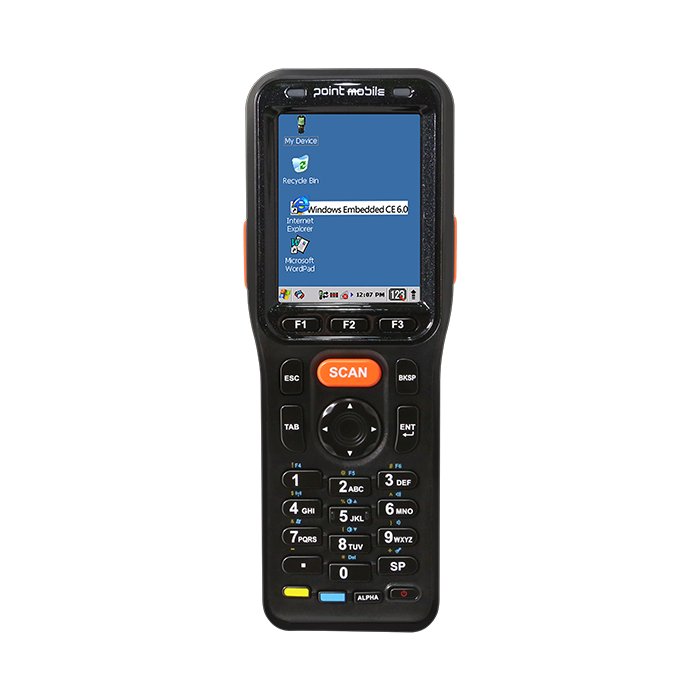
A handheld terminal is commonly used wherever operators need to capture and transmit data away from a fixed workstation. Typical tasks include goods receiving, inventory counting, order picking, shelf labeling, asset tracking, proof of service, and mobile inspection. In these settings, speed matters, but so does reliability over an entire shift.
Many businesses choose this device class because it supports both scanning and application access in one unit. Instead of separating a scanner from a mobile computer, teams can work with a single tool that supports Wi-Fi, Bluetooth, NFC, and in some cases cellular communication for wider coverage.
Key device formats in this category
Not every operation needs the same form factor. Some teams prefer a compact touchscreen computer that feels familiar to users moving from smartphones, while others need a keypad-based device for fast input with gloves or in high-volume warehouses. The right choice depends on workflow, scan distance, user environment, and software requirements.
For example, the Zebra EM45 Enterprise Mobile is suited to users who want a modern touchscreen experience with enterprise mobility features, while the Zebra MC3400 and Zebra MC3450 target operations that benefit from a more traditional industrial handheld design. For businesses looking for a lighter Android-based mobile computer with barcode support, the IMIN Lark 1 can be relevant for everyday field or store-level tasks.
If your application focuses mainly on data collection and mobile scanning, it may also be useful to review the broader barcode scanning equipment range to compare dedicated scanners with full mobile terminals.
What to look for when selecting a handheld terminal
The first consideration is usually the scanning workflow. Some environments only require standard 1D and 2D barcode reading at close range, while others need higher throughput, repeated scans, or flexibility across different package sizes and label conditions. If scanning is the core task, ergonomics and trigger placement become just as important as decode capability.
The second factor is computing and connectivity. Android-based mobile computers are common for app-driven workflows, while rugged Windows tablets such as the Zebra ET80 and ET85 can be relevant where users need a larger display, keyboard support, or compatibility with desktop-style enterprise software in the field. These are especially useful when barcode capture is only one part of a broader mobile workstation requirement.
Battery strategy is another practical point. Long shifts, multi-shift use, and remote operations often benefit from hot-swappable batteries or quick charging, helping reduce downtime. You should also consider ingress protection, drop resistance, screen readability, and whether the device will be used indoors, outdoors, in cold storage, or in demanding industrial conditions.
Examples of devices for different operating environments
Warehouse and distribution centers often favor rugged models designed for repetitive use and physical durability. The Zebra MC3300ax, MC3400, MC3450, and MC9300 NFC Handheld Mobile Computer are examples of devices aligned with intensive scanning and inventory workflows, with designs that support industrial handling and long work cycles.
For mobile teams that need a more compact format, the Zebra TC25 Rugged Smartphone and Zebra TC26-HC Mobile Computer show how handheld terminals can support app-based tasks in service, delivery, and healthcare-related operations. These types of devices can be easier to carry while still offering stronger durability than standard consumer phones.
For environments where a larger screen and detachable keyboard are beneficial, Zebra ET80 Rugged 2-In-1 Tablet and Zebra ET85 Rugged 2-In-1 Tablet extend the category into more advanced mobile computing. They are useful when operators need to combine scanning, documentation, communication, and application access on one platform.
Popular manufacturers and ecosystem considerations
This category often involves more than hardware alone. Buyers typically evaluate software compatibility, accessory availability, long-term platform support, and fleet deployment requirements. That is why manufacturer ecosystem matters alongside core device specifications.
Within this selection, IMIN offers Android-based mobile computing options for practical business mobility, while brands such as Honeywell, Cipherlab, and Unitech are also widely considered in handheld data collection projects. Zebra remains a strong reference point in this category because its portfolio spans compact enterprise mobiles, keypad terminals, and rugged tablets for broader enterprise workflows.
In operations that combine data capture with transaction handling, some buyers also compare handheld terminals with a POS machine setup, especially in retail or service counters where mobility and payment workflows overlap.
How handheld terminals support process accuracy
The main operational value of a handheld terminal is not just mobility, but real-time data accuracy. By scanning at the point of activity, businesses can reduce manual entry, shorten update cycles, and improve traceability across inventory, assets, and service records. This is especially important in environments where delayed or incorrect data can affect replenishment, shipping, or compliance tasks.
Integrated connectivity also helps devices communicate directly with warehouse management systems, ERP platforms, and field service applications. That means stock movements, item verification, and job status updates can be captured immediately instead of being recorded later from paper notes or memory.
Choosing the right category path for your business
If your priority is mobile data capture with onboard computing, this category is the right place to start. The best fit usually depends on whether you need a compact touchscreen unit, a keypad-centric warehouse terminal, or a larger rugged tablet that supports more complex field applications.
For buyers comparing broader device classes, the handheld terminal lineup can be evaluated alongside dedicated scanners, label printing systems, and retail hardware depending on the workflow. Looking at the operating environment, barcode volume, application type, and battery expectations will usually narrow the shortlist quickly.
With the right device profile, handheld terminals can improve scanning speed, strengthen data integrity, and support more efficient mobile operations across the supply chain. A careful match between form factor, durability, connectivity, and user workflow will lead to better long-term performance than choosing on specifications alone.
Get exclusive volume discounts, bulk pricing updates, and new product alerts delivered directly to your inbox.
By subscribing, you agree to our Terms of Service and Privacy Policy.
Direct access to our certified experts