
EMI Filter Circuits
Controlling electromagnetic interference is a practical design step in modern electronics, especially where power integrity, signal quality, and regulatory performance all matter at the same time. In compact boards, industrial controllers, communication devices, and embedded systems, the right EMI Filter Circuits help reduce unwanted noise before it spreads through power lines or sensitive signal paths.
This category brings together circuit-level filtering components used to suppress conducted interference and improve overall electromagnetic compatibility. Whether you are refining a new product design or solving a noise issue in an existing assembly, these parts are commonly selected to support cleaner operation, more stable performance, and easier system integration.
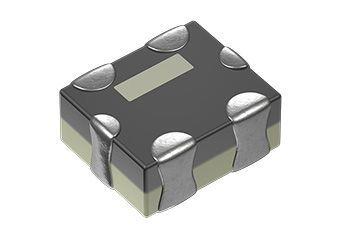
Where EMI filter circuits fit in electronic design
EMI filter circuits are typically used where unwanted high-frequency noise must be attenuated without disrupting the intended DC or low-frequency behavior of the circuit. They are relevant in power entry stages, interface lines, communication paths, and mixed-signal boards where switching activity, external coupling, or nearby subsystems can introduce interference.
Depending on the design goal, engineers may use these filters to reduce emissions leaving a product, improve immunity against incoming noise, or stabilize performance in applications with sensitive analog, RF, or digital sections. In many projects, they work alongside related suppression components such as common mode filters and chokes when both differential and common-mode noise need to be addressed.
Typical filter forms in this category
This category can include compact suppression devices intended for board-level integration, including multi-terminal structures and small surface-mount filters for dense layouts. Some parts are optimized for line filtering in miniature packages, while others are used where insertion loss, mounting style, current handling, or available board space drive the selection.
For example, products such as Murata NFL18ST307H1A3D and Murata NFW31SP106X1E4K illustrate the kind of small-form EMI/RFI filtering components often used in space-constrained electronics. Other parts, including Murata DSS1NB31H333Q55B, represent a 3 terminal EMI filter approach that can be useful when low-impedance grounding and effective high-frequency suppression are priorities.
Selection factors that matter in practice
Choosing the right filter circuit usually starts with understanding the noise source and the line being protected. Engineers typically look at whether the interference is common-mode or differential, the operating voltage and current, mounting method, expected frequency range, and the physical placement of the filter within the PCB or subsystem.
Package style also matters. Surface-mount options are often preferred for compact consumer, communications, and embedded assemblies, while through-hole styles may still be useful in designs requiring mechanical robustness or specific assembly constraints. A part with the right electrical rating but poor placement or grounding can underperform, so layout strategy remains just as important as component selection.
When the application requires filtering at the enclosure boundary or cable pass-through point, it may also be useful to review EMI feedthrough filters, which serve a related but distinct role in suppression architecture.
Examples from Murata for board-level noise suppression
Murata is one of the key manufacturers represented in this space, with a broad range of compact filter solutions for EMI/RFI control. Within the featured products, parts such as Murata NFL18ST107X1C3D, Murata DSS6NC52A221T51B, Murata DST9HB32E222Q92A, and Murata PLY10AS4321R0R2B show the variety available for different board-level filtering needs.
Some listed devices are identified specifically as EMI/RFI filters, while others appear under broader “Other Filters” naming, such as Murata SFVLF10M7MF00-B0, Murata CFULA455KH1A-B0, Murata CDBKB455KCLY13-R0, and Murata CDBKB455KCAY09-R0. In design work, these distinctions matter because the intended use case, filter topology, and target frequency behavior can differ significantly even when components are grouped under a similar catalog family.
How EMI filter circuits support system reliability
Noise problems are not always obvious during early prototyping. A product may power up correctly and still suffer from unstable communication, inaccurate sensing, display artifacts, or intermittent resets once the full system is assembled. Properly chosen noise suppression components help reduce those risks by limiting conducted interference at critical entry and coupling points.
In industrial and embedded applications, that can translate into cleaner power rails, fewer disturbances on interface lines, and improved consistency in electrically noisy environments. Filter circuits are therefore not just compliance-oriented parts; they are also practical tools for protecting day-to-day functional performance.
Related suppression components in a broader EMC strategy
EMI control rarely depends on a single component category. Effective designs usually combine filtering, grounding, shielding, and careful routing so that noise is managed at both source and victim locations. That is why engineers often evaluate filter circuits together with enclosure-level materials, cable-entry solutions, and line-specific suppression parts.
For projects that need a more complete suppression approach, it can be helpful to explore EMI shielding materials and absorbers in addition to board-level filtering. If you are still comparing implementation methods or building early prototypes, EMI kits may also help streamline evaluation and component testing.
Choosing with application context in mind
The best fit depends on how the product is built and where the interference is appearing. A compact digital module, a power conversion stage, and an I/O-heavy industrial controller may all need EMI suppression, but not necessarily the same filter structure or package type. Current path, grounding quality, environmental conditions, and board density all influence which part family is most appropriate.
When reviewing options in this category, it is worth comparing the filter’s intended use, mounting style, and integration method with your actual circuit constraints rather than selecting only by part size or general label. A more targeted selection process usually leads to better EMC results and fewer redesign cycles later in development.
Final thoughts
EMI Filter Circuits play an important role in building stable, compliant, and noise-resilient electronic systems. From miniature surface-mount suppression parts to multi-terminal filtering solutions, this category supports engineers who need practical options for reducing conducted interference at the board level.
If you are narrowing down components for a new design or troubleshooting an EMC issue in production hardware, reviewing the available filter circuits alongside related suppression categories can make the selection process more effective. The right combination of component choice, placement, and grounding often delivers the most reliable result.
Get exclusive volume discounts, bulk pricing updates, and new product alerts delivered directly to your inbox.
By subscribing, you agree to our Terms of Service and Privacy Policy.
Direct access to our certified experts
