
EMI Gaskets, Sheets, Absorbers & Shielding
Unwanted electromagnetic noise can turn a stable design into a difficult troubleshooting project, especially in compact electronics, control panels, communication equipment, and mixed-signal assemblies. When filtering at the circuit level is not enough, materials used for EMI control around enclosures, cables, heat sinks, and critical components become an important part of the overall suppression strategy.
EMI gaskets, sheets, absorbers, and shielding help reduce radiated interference, improve enclosure sealing against leakage paths, and support more predictable electromagnetic performance across a wide frequency range. This category brings together practical materials used by design engineers, integrators, and maintenance teams when mechanical layout and electromagnetic compatibility need to work together.
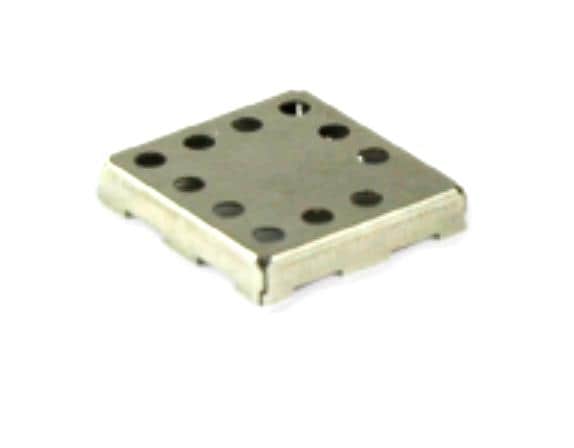
Where these materials fit in an EMI suppression approach
In many applications, interference is not caused by a single source. Noise may couple through openings in metal housings, travel along cable entries, or radiate from switching sections inside the product. In those cases, shielding and absorber materials are often used alongside component-level solutions such as common mode filters and chokes to address both conducted and radiated paths.
Gaskets are typically selected to improve electrical continuity at seams and access panels. Sheets and absorbers are often applied near noisy sections, internal covers, display areas, or around high-frequency sources where damping reflections and reducing field strength can support compliance work and product reliability.
Typical product roles within this category
This category covers several material types that serve different functions. EMI gaskets are usually used between conductive surfaces to maintain contact across doors, covers, and enclosure joints. Shielding sheets and absorber sheets are more often placed as internal materials to reduce emissions, suppress resonance, or manage local coupling effects in dense electronic designs.
Some items also overlap with thermal or mechanical integration. For example, certain materials may be chosen when a design needs both EMI mitigation and practical assembly support around heat-generating parts or metal structures. If your project also involves broader heat dissipation materials, it can be useful to review manufacturer-specific options from 3M where EMI-related and thermal interface products may appear within the same build environment.
Examples of materials found in this range
Representative products in this category include the Alps Alpine HMSAW21020 noise suppression sheet, designed for use in high-frequency suppression scenarios, as well as the Alps Alpine HMKXS21020 and HMKUR21020 noise suppression sheets. These types of sheet materials are relevant where engineers need thin, application-friendly options for controlling noise around compact assemblies.
From 3M, products such as the 7100184030 shielding absorber and the 5591S thermal management accessory illustrate how this category can extend beyond simple conductive shielding into more application-specific material selection. In practice, engineers may compare absorber sheets, adhesive-backed materials, and interface pads depending on mounting method, available space, and whether the priority is attenuation, mechanical fit, or integration with a heat sink or enclosure surface.
How to choose the right EMI gasket, sheet, or absorber
The first step is identifying the dominant EMI problem. If leakage occurs at panel seams or access doors, gasket solutions are usually the starting point. If the issue is internal resonance, hot spots near processors, switching devices, or RF sections, absorber or suppression sheet materials may be more appropriate. Mechanical constraints matter just as much as electrical performance, including thickness, flexibility, temperature range, and surface compatibility.
Frequency behavior is also important. Some suppression sheets are intended for specific high-frequency operating ranges, which can make them useful in communication modules, embedded systems, and compact industrial electronics. Where the issue is tied more closely to line-borne noise, other categories such as EMI feedthrough filters or circuit-based filtering products may be a better fit within the wider suppression design.
Applications across electronics and industrial equipment
These materials are commonly used in control cabinets, medical electronics, instrumentation, industrial PCs, telecom hardware, consumer devices, and embedded assemblies where enclosure size and switching density increase the risk of interference. They are also relevant in retrofit work, where designers need to improve electromagnetic performance without a complete PCB redesign.
In service and production environments, sheet and shielding materials can help address issues such as display noise, enclosure leakage, cable entry radiation, and coupling between closely packed modules. For more complete suppression architectures, teams may also evaluate EMI filter circuits in parallel with mechanical shielding materials.
Manufacturers and ecosystem context
This category includes solutions from recognized manufacturers such as Alps Alpine, 3M, and Advanced Energy. Each brand may serve a slightly different need, from thin suppression sheets for compact electronics to absorber and support materials used in more specialized assembly or thermal-management-related contexts.
Rather than selecting by brand alone, it is usually more effective to compare material form, mounting method, and intended role in the product. A well-matched absorber or shielding sheet can simplify EMC tuning, while the wrong material may add cost or assembly complexity without solving the root noise path.
Practical evaluation points before ordering
Before final selection, confirm the intended installation area, the available thickness, the service temperature window, and whether the material will contact metal, plastic, or a heat-spreading surface. It is also worth checking whether the material is being used as a standalone suppression measure or as one part of a broader EMI control stack that includes filters, grounding, and enclosure design.
For design validation, many teams prototype with a small number of candidate materials and compare results during EMC pre-compliance testing. This is often the fastest way to determine whether the main benefit comes from seam treatment, localized absorption, or a combination of shielding and filtering methods.
Finding the right material for your build
Choosing from an EMI materials category is rarely about one headline specification alone. The right solution depends on where the noise is generated, how it couples into surrounding structures, and how much installation space is available. That is why this category is most useful when viewed as part of a complete electromagnetic compatibility strategy rather than as an isolated material list.
Whether you are refining a new product design or addressing interference in an existing assembly, this range of EMI gaskets, sheets, absorbers, and shielding materials provides practical options for enclosure-level and local suppression work. Reviewing the application role of each material will help narrow down the most relevant products for effective, realistic EMI control.
Get exclusive volume discounts, bulk pricing updates, and new product alerts delivered directly to your inbox.
By subscribing, you agree to our Terms of Service and Privacy Policy.
Direct access to our certified experts

