Resonators
Stable timing starts with the right frequency-control component. In embedded electronics, industrial control boards, communication modules, and consumer devices, resonators are widely used to provide clock references where compact size, practical cost, and dependable operation matter.
This category brings together a range of resonator devices used in oscillator and timing circuits across many types of electronic designs. Whether you are selecting parts for a new PCB, replacing an existing timing component, or comparing options for frequency stability and package style, it helps to look at the application, mounting method, and target frequency as a complete selection problem rather than focusing on part numbers alone.
Where resonators fit in frequency-control design
Resonators are used to generate or support a reference frequency in electronic circuits. They are commonly found in microcontroller systems, communication interfaces, consumer electronics, and industrial devices where designers need a predictable clock source for processing, synchronization, or signal generation.
Within the broader timing ecosystem, resonators sit alongside crystals and oscillators. The right choice depends on required accuracy, startup behavior, integration level, circuit simplicity, and environmental conditions. For many practical designs, a resonator offers a balanced solution between performance and implementation simplicity.
Common resonator types in this category
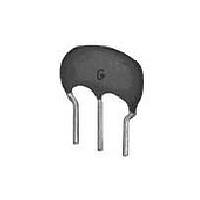
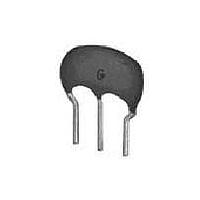
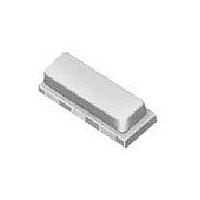
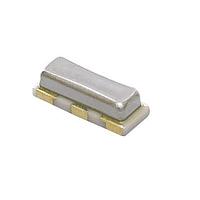
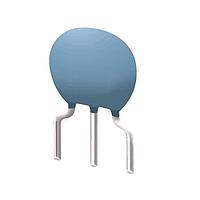
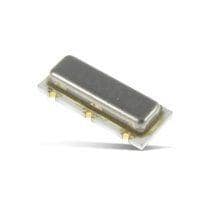
This selection includes devices described as MHz crystal parts, ceramic resonators, and other resonators or vibrators, reflecting the variety that exists in real sourcing environments. Some products are intended for compact surface-mount assembly, while others use through-hole construction for legacy boards, prototyping, or designs that still rely on larger mechanical formats.
Examples from this category include the Epson MA-506 40.0000M-C0:ROHS MHz Crystal, Epson MC-306 32.768000KHZ 12.5 +50.0-50.0 Resonators, KYOCERA AVX PBRC8.00MRSS Ceramic resonator, and Kyocera CX2520DB Resonators. These examples illustrate that engineers may be sourcing for very different clock ranges, package constraints, and application priorities within the same category page.
What to consider when selecting a resonator
The most important starting point is the target frequency required by the circuit. Timing devices must match the needs of the controller, communication interface, or system architecture. In this category, example frequencies range from low-frequency timing references such as 32.768 kHz to MHz-class devices including 5 MHz, 16 MHz, 19.6608 MHz, 24.576 MHz, 25 MHz, and 40 MHz.
Beyond nominal frequency, buyers should review parameters such as tolerance, temperature stability, load capacitance, ESR, and package dimensions when available. These factors affect startup reliability, frequency accuracy, and compatibility with the surrounding oscillator circuit. For production purchasing, mounting type is also critical, especially when choosing between surface-mount and through-hole options.
Package style, assembly method, and board-level integration
Mechanical format has a direct impact on assembly flow and PCB layout. Compact SMD parts such as Epson FA2016AN series devices can support dense layouts where board space is limited, while larger packages may be preferred for established designs, easier handling, or through-hole manufacturing processes.
Examples such as the Epson CA-301 19.6608M-C:PBFREE MHz Crystal and Kyocera CX-49G-5.000MHZ Resonators show that package choice is often linked to the age of the platform, serviceability expectations, and oscillator topology already used in the design. In sourcing and maintenance environments, replacing a resonator often requires checking not only electrical values but also footprint, height, and assembly compatibility.
Representative manufacturers and product examples
Epson appears prominently in this category with a wide spread of timing components for different frequency points and package styles. Typical examples include the MA-506, MC-306, FA2016AN, CA-301, and HC-49/S3-16M families represented on this page. This range is useful for buyers working across both compact modern boards and more conventional oscillator implementations.
KYOCERA AVX and Kyocera are also relevant names in this space, with examples such as the PBRC8.00MRSS Ceramic resonator, PRQV16.00CR5010Y000, CX-49G-5.000MHZ, and CX2520DB. These products help illustrate the breadth of resonator formats available for clock generation, signal timing, and embedded electronics design.
One listed product, the Maxim Integrated MAX3225EAP+ Transceiver, is not itself a resonator but shows the wider context in which timing components are often used. In practical circuit design, clock references work together with interface, processing, and communication devices, so component selection frequently happens at the system level rather than in isolation.
Typical applications for resonators
Resonators are commonly used in microcontroller clock circuits, serial communication hardware, consumer electronics, industrial controllers, measurement devices, and compact modules that require a defined operating frequency. Low-frequency parts may support timekeeping functions, while higher-frequency devices are often used for CPU clocks, data handling, or interface timing.
They are also relevant in cost-sensitive products where designers want a practical timing source without moving to a more integrated clock module. Depending on the circuit architecture, engineers may compare this category with standalone resonator options already in use on existing designs or evaluate whether a different timing technology would better meet tolerance and stability requirements.
How to narrow down the right part for procurement
For B2B purchasing teams, efficient selection usually starts with a short list of technical filters: frequency, package size, mounting type, tolerance, and operating temperature range. That should then be checked against the BOM, approved manufacturer list, assembly method, and lifecycle requirements of the project.
If you are reviewing alternatives, it is useful to compare resonators with nearby timing categories such as oscillators for integrated clock generation or crystal devices when tighter frequency behavior is required. This approach helps reduce qualification risk and supports more consistent sourcing decisions across new designs and maintenance programs.
Choosing with application context in mind
No single resonator type is ideal for every design. A compact surface-mount part may suit a dense embedded board, while a through-hole device may be better aligned with an existing platform. Likewise, a low-frequency resonator for timekeeping and a MHz-range part for processor timing should be evaluated with very different priorities.
This category is best used as a practical sourcing resource for engineers, buyers, and maintenance teams looking to match electrical requirements with package and manufacturing constraints. By reviewing the available resonators in context—rather than by frequency alone—you can make a more reliable selection for both prototype and production needs.
Get exclusive volume discounts, bulk pricing updates, and new product alerts delivered directly to your inbox.
By subscribing, you agree to our Terms of Service and Privacy Policy.
Direct access to our certified experts