Potentiometers
Precise adjustment is essential in many electronic designs, whether the goal is tuning a reference voltage, setting gain, calibrating a sensor interface, or giving an operator direct control over a circuit parameter. In these situations, potentiometers remain a practical and widely used component because they provide a simple way to vary resistance and create controlled voltage division inside both analog and mixed-signal systems.
This category brings together potentiometer options used across embedded electronics, industrial control hardware, instrumentation, and general circuit design. Depending on the application, engineers may be looking for a traditional panel-mount variable resistor, a board-level trimming solution, or a digitally controlled device that integrates into modern electronic control architectures.
Where potentiometers fit in electronic design
A potentiometer is commonly used to adjust resistance or divide voltage in a controllable way. In practice, that makes it useful for calibration, threshold setting, analog signal conditioning, user input, and fine adjustment in power, measurement, and communication circuits. The exact form factor can vary significantly depending on whether the device is intended for manual adjustment, infrequent trimming, or software-based control.
On pages related to passive parts, potentiometers are often considered alongside resistors because both are used to manage current and voltage in a circuit. The difference is that potentiometers add adjustability, which becomes valuable when fixed values do not provide enough flexibility during setup, tuning, or field servicing.
Mechanical and digital approaches to adjustment
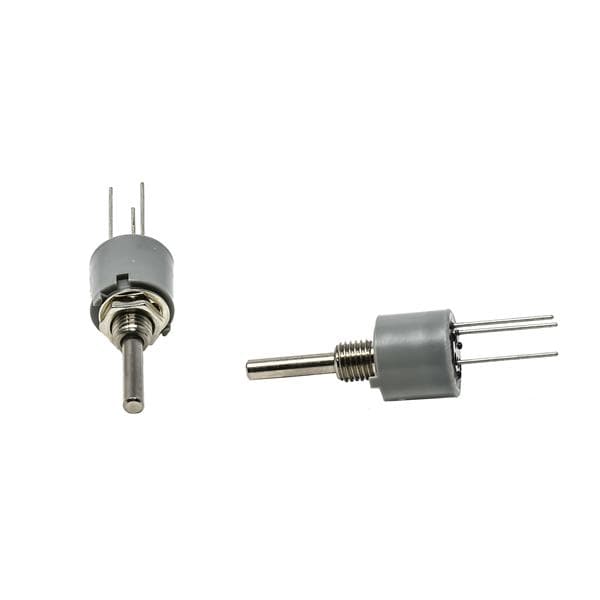
Not every design needs the same kind of control interface. A conventional mechanical potentiometer is useful where a technician or end user must adjust a parameter directly, such as level, sensitivity, or position setting. These parts may be chosen for panel-mounted controls, service adjustments, or applications where local manual access is expected.
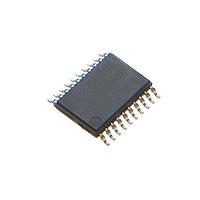
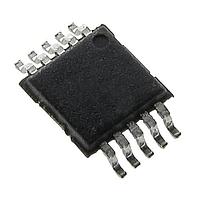
By contrast, digital potentiometers are often selected when resistance needs to be controlled electronically through a serial interface. That approach can simplify calibration, remote configuration, and repeatable settings in embedded systems. Products in this category illustrate that range well, from manually adjustable Honeywell parts to digitally controlled devices from Analog Devices and Honeywell for board-level electronic adjustment.
Examples from the available range
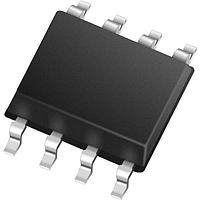
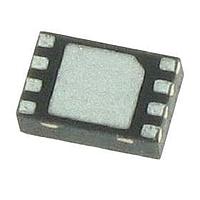
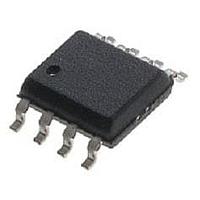
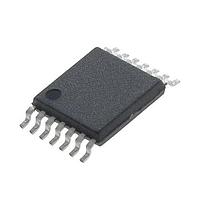
Several listed products show how broad this category can be. Devices such as the Analog Devices AD5255BRU25-RL7 and AD5242BRU100-REEL7 represent digitally controlled options with I2C-based adjustment, making them relevant for systems that need programmable resistance values without mechanical intervention. Non-volatile versions can be useful when settings should be retained after power cycling, while volatile versions may suit applications where values are loaded during startup.
Other examples, such as Honeywell 392050M0016, point to more traditional adjustable hardware used in physical control or calibration contexts. Meanwhile, products like the Analog Devices AD5252BRU10 and AD8403AR50-REEL help illustrate differences in channel count, resistance value, and memory behavior, all of which affect how the potentiometer fits into the overall circuit architecture.
Key selection factors for engineers and buyers
Choosing the right part starts with the intended adjustment method. If the setting will be changed by firmware or a host controller, interface type and memory behavior become important. If the setting is manual, mounting style, shaft or actuator format, adjustment access, and expected cycle life may matter more. In both cases, the required resistance range and resolution should match the sensitivity of the target circuit.
It is also important to consider whether the design needs a single-channel or multi-channel device, and whether the application demands a linear or logarithmic response. Environmental and integration constraints should not be overlooked either, especially in compact electronics or industrial assemblies where package style, pin count, and board layout influence final component choice.
In many designs, potentiometers work together with other passive parts such as capacitors and signal-conditioning networks. Looking at the complete circuit rather than the adjustable element alone usually leads to a more stable and predictable result.
Typical applications across industrial and embedded systems
Potentiometers are used in a wide variety of applications, from basic setpoint control to more advanced calibration tasks. In industrial electronics, they may appear in operator interfaces, threshold adjustment circuits, analog feedback paths, or maintenance-access calibration points. In embedded systems, digital versions can support programmable gain, offset correction, or remotely managed tuning without adding mechanical wear points to the user interface.
They are also common in instrumentation and development work, where rapid adjustment is needed during prototyping or test. When paired with surrounding filtering and signal management stages, including filters, a potentiometer can help refine response behavior and improve overall control over analog sections of the design.
Manufacturer options in this category
This category includes products from recognized component suppliers with experience in analog and electromechanical design. Analog Devices is represented by several digital potentiometer models used in electronically controlled adjustment tasks, while Honeywell appears in both digital and traditional variable-resistance examples. These options make the category relevant for buyers working on both modern programmable electronics and established hardware platforms.
Broader manufacturer coverage in the category context also includes names such as Bourns, Alps Alpine, Eaton, Intersil, and Clarostat / Honeywell. That wider ecosystem is useful for procurement teams comparing sourcing options, package preferences, or established approved-vendor lists in industrial and OEM purchasing workflows.
How to narrow down the right potentiometer
A practical way to filter options is to start with the resistance value and control method, then review package style, channel count, and whether stored settings are required. For software-driven designs, interface compatibility with the rest of the system should be checked early. For manually adjustable parts, installation method and physical accessibility are often just as important as electrical value.
If the application is part of a larger passive network, it can also help to review neighboring component categories such as inductors or resistive elements already used elsewhere in the circuit. This category is best approached as part of the overall design strategy rather than as an isolated line item.
Conclusion
Whether the requirement is simple manual tuning or repeatable electronic adjustment, this potentiometer range supports a wide variety of design needs. By focusing on control method, resistance value, memory behavior, package style, and application context, engineers and technical buyers can identify parts that align more closely with both circuit performance and integration requirements. For projects that need flexible analog control without overcomplicating the design, potentiometers remain a dependable option within the passive component landscape.
Get exclusive volume discounts, bulk pricing updates, and new product alerts delivered directly to your inbox.
By subscribing, you agree to our Terms of Service and Privacy Policy.
Direct access to our certified experts