Varistors
Voltage surges are a routine risk in power supplies, control boards, communication interfaces, and vehicle electronics. Selecting the right varistors helps absorb transient energy, limit overvoltage stress, and improve the durability of sensitive circuits without adding unnecessary design complexity.
In practical terms, this category supports engineers and buyers looking for surge protection components for industrial electronics, embedded systems, and automotive-related designs. Whether the requirement is a compact multilayer device for dense PCB layouts or a disc-style component for higher surge handling, the range here covers common protection needs across different voltage levels and package formats.

Where varistors fit in circuit protection
A varistor is a voltage-dependent resistor that remains highly resistive during normal operation and changes behavior when a transient overvoltage appears. By clamping the surge to a lower level, it helps protect downstream components such as ICs, controllers, interfaces, and power stages from short-duration electrical stress.
Varistors are often used alongside other passive and protection elements to build a balanced design. In many circuits, they work in combination with capacitors, filtering networks, and current-limiting elements to improve overall immunity against line disturbances, switching spikes, and electrostatic events.
Common varistor types in this category
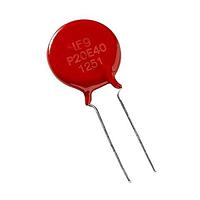
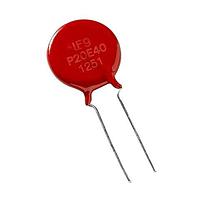
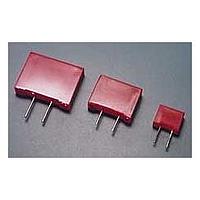
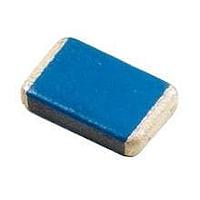
This category includes both metal oxide varistors and multilayer varistors. Disc-style MOVs are commonly chosen where higher surge capability and through-hole mounting are appropriate, while multilayer varistors are better suited to space-constrained PCB assemblies and signal or low-voltage protection tasks.
A clear example is the Bourns MOV-07D470K, a radial leaded disc varistor format that fits applications where board space is less constrained and robust surge absorption is important. On the surface-mount side, KYOCERA AVX TransGuard and TransGuard Automotive series parts illustrate how multilayer varistors are used in compact electronic assemblies, including layouts that demand low profile and standardized chip package sizes such as 0603, 0805, 1206, 1210, and 2220.
Application areas for industrial and automotive electronics
Varistors are widely used in industrial controls, power entry stages, DC distribution lines, I/O protection, and communication interfaces. They are also relevant in systems exposed to repetitive electrical disturbances, including motor environments, switched loads, and equipment installed in electrically noisy cabinets.
For automotive and transport-related electronics, parts with AEC-Q200 qualification can be especially relevant when the design environment includes voltage fluctuation, load switching, or harsh temperature conditions. Several KYOCERA AVX devices in this category, such as the CANAT04DP and selected TransGuard Automotive models, are suitable examples of components intended for these more demanding environments.
How to choose the right varistor
The first selection point is the normal operating voltage of the circuit. The varistor must tolerate the system's continuous AC or DC voltage without conducting during normal operation, while still reacting quickly enough when a transient exceeds the expected threshold. This is why comparing working voltage and clamping behavior is more useful than looking at one number in isolation.
The second consideration is surge energy and package style. Small multilayer parts such as the KYOCERA AVX VCAC060309B102NRP or VC060305A150T can be a strong fit for compact low-voltage protection on dense boards, whereas larger 1210 or 2220 devices such as VG121056P111TP, VG222026Y570TP, or VG222026Y540TP are generally more appropriate when the design needs greater energy handling within an SMD format.
Environmental limits also matter. Temperature range, mounting method, and qualification level should match the operating conditions of the final equipment. In a broader protection strategy, designers may also review related passive categories such as filters or resistors to support coordinated EMI and transient control.
Examples from leading manufacturers
Bourns is well known for surge protection components used in power and interface protection, and the MOV-07D470K is a practical example of a traditional disc varistor option for general-purpose overvoltage suppression. This style is often chosen when designers want straightforward through-hole integration and familiar MOV behavior.
KYOCERA AVX offers a broad multilayer varistor portfolio, including TransGuard and automotive-focused variants. Devices such as VCAS080505C150TP, VCAS120614D300TP, and VGAS121034S770RP show how the range addresses compact SMD requirements across different board densities, voltage ratings, and protection levels.
Other recognized names in the wider varistor landscape for buyers comparing sources include Eaton, EPCOS, KEMET, Littelfuse, PANASONIC, Semtech, and Chemi-Con. The most suitable choice depends less on brand alone and more on the match between voltage rating, package, qualification, and expected surge conditions.
Design considerations beyond the datasheet headline values
When comparing parts, engineers should look beyond the nominal voltage line and consider how the component will behave in the real circuit. Board placement, trace inductance, repetitive surge exposure, and the sensitivity of the protected load all affect the actual protection result. A well-chosen varistor performs best when installed close to the point where transients enter the circuit.
It is also helpful to consider the wider passive ecosystem. In practical designs, surge suppression may be complemented by EMI filtering, decoupling, and line conditioning. That is why varistors are often evaluated together with inductive and capacitive components rather than as a standalone fix for every electrical disturbance.
What buyers typically compare on a category page
For B2B sourcing, the most useful comparison points are usually package style, operating voltage, clamping level, energy handling, qualification status, and temperature range. These factors help narrow the selection quickly before moving into detailed design verification.
If your application ranges from compact signal-line protection to higher-energy surge suppression on power-related circuits, this category provides a practical starting point. Reviewing package size, mounting preference, and the expected electrical stress profile will usually lead to a faster and more reliable shortlist.
Conclusion
Choosing varistors is ultimately about matching the protection device to the actual electrical environment of the equipment. From radial MOVs for general surge suppression to compact multilayer options for dense PCB assemblies and automotive electronics, the right part can improve circuit robustness without overdesign.
Use this category to compare available formats and voltage ranges, then refine your selection based on surge exposure, board constraints, and qualification needs. A careful choice at this stage can simplify protection design and support more reliable operation in the field.
Get exclusive volume discounts, bulk pricing updates, and new product alerts delivered directly to your inbox.
By subscribing, you agree to our Terms of Service and Privacy Policy.
Direct access to our certified experts