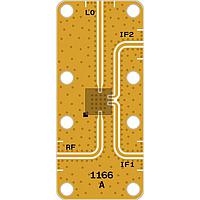
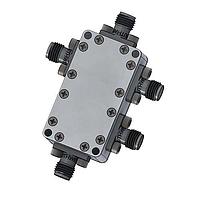
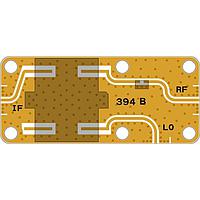
RF Mixer
Frequency translation is a core function in many wireless and RF signal chains. When a design needs to convert a signal from one frequency to another for transmission, reception, filtering, or intermediate-frequency processing, RF mixers are one of the key building blocks that make that possible.
On this page, engineers and sourcing teams can explore RF mixer devices used across communication systems, instrumentation, test platforms, and embedded wireless designs. The category brings together parts from established semiconductor suppliers, making it easier to compare options based on architecture, integration level, and fit within a broader RF front end.
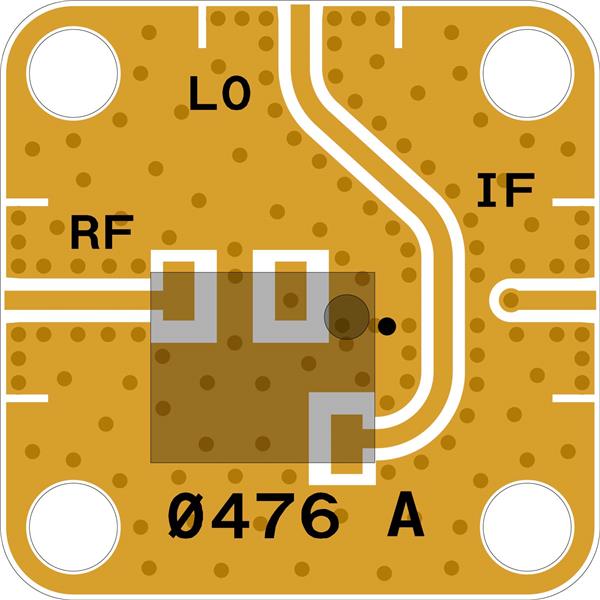
Where RF mixers fit in an RF signal chain
An RF mixer combines two signals and produces new frequency components, typically the sum and difference of the input frequencies. In practical RF design, this function is used for upconversion and downconversion, allowing signals to move between RF, IF, and baseband stages depending on the system architecture.
Because of this role, mixers are often selected together with nearby signal-chain components rather than in isolation. For example, they may be used alongside a modulator / demodulator stage or matched with filtering and routing elements in a receiver path. The exact implementation depends on conversion requirements, LO strategy, isolation targets, and available board space.
Common applications for RF mixer devices
RF mixers appear in a wide range of commercial and industrial electronic systems. Typical use cases include wireless communication modules, cellular and broadband infrastructure, radar-related subsystems, test and measurement equipment, GNSS-related circuitry, and general-purpose frequency conversion in embedded RF designs.
In a receiver, the mixer is commonly used to translate a high-frequency input signal down to an intermediate or lower frequency that is easier to amplify, filter, or digitize. In a transmitter, the same concept works in reverse, moving a lower-frequency signal upward toward the final RF band. This is why mixer selection often has a direct effect on signal quality, gain planning, and overall front-end complexity.
How to evaluate RF mixers for a design
Choosing the right device usually starts with the intended frequency plan. Designers typically review RF, LO, and IF operating ranges, then consider conversion loss or conversion gain, linearity, isolation, and power requirements. In many projects, package style, thermal behavior, and ease of integration are just as important as core electrical performance.
It is also helpful to think about the surrounding RF environment. A mixer may need to work with shielding, filtering, and signal splitting elements to control unwanted responses and reduce interference. In more complex layouts, related products such as couplers or RF shields can support measurement, routing, and EMC-oriented design decisions.
Representative products in this category
This category includes a range of devices suitable for different RF design approaches. Examples include Analog Devices HMC904LC5 RF Mixers, Analog Devices HMC687LP4E RF Mixers, Analog Devices LTC5556IUH#TRPBF RF Mixers, MACOM M79H RF Mixers, MACOM SM6EH RF Mixers, STMicroelectronics STW82101B RF Mixers, and several Maxim Integrated mixer ICs such as MAX2622EUA+ and MAX2623EUA+.
These examples illustrate the variety available within the category rather than a one-size-fits-all selection. Some parts are better aligned with compact integrated designs, while others may suit broader RF infrastructure, frequency conversion stages, or legacy platform maintenance. Reviewing the device position within the signal chain is usually the most reliable way to narrow the shortlist.
Leading manufacturers and sourcing context
Buyers often begin with trusted vendors that already align with their qualification process or existing bill of materials. This RF mixer selection features manufacturers such as Analog Devices, Maxim Integrated, STMicroelectronics, and MACOM, all of which are widely referenced in RF and mixed-signal design workflows.
Depending on project needs, teams may also compare broader portfolios from suppliers known for wireless and high-frequency components, including Mini-Circuits, Qorvo, Renesas Electronics, ROHM Semiconductor, and Texas Instruments. Manufacturer preference is important, but practical selection should still be driven by compatibility with the intended LO drive, target band, integration strategy, and board-level constraints.
Selection considerations for engineers and procurement teams
For engineering teams, the main goal is usually technical fit: frequency coverage, architecture, and predictable behavior within the intended chain. For procurement teams, the priority may include lifecycle support, approved vendor status, and consistency across multiple builds. A good category page should help both groups by making it easier to identify parts that are relevant before moving into a detailed specification review.
When comparing options, it can be useful to separate highly integrated designs from more discrete RF implementations. Some projects need compact IC-based integration, while others prioritize flexibility across the signal path and may combine the mixer with external switching, phase control, or filtering functions. In those cases, adjacent categories such as phase detectors / shifters can provide useful context for complete RF subsystem planning.
Finding the right RF mixer for your application
The most effective way to search this category is to start with the application: receiver, transmitter, frequency converter, local oscillator interface, or test path. From there, narrow the options by required operating band, integration level, temperature range, supply conditions, and the broader RF architecture surrounding the device.
Whether you are developing a new wireless product or maintaining an established RF platform, this RF mixer category is intended to support a more informed component selection process. By comparing suitable devices from recognized manufacturers and evaluating them in the context of the full signal chain, teams can move more efficiently from part discovery to design validation and sourcing.
Get exclusive volume discounts, bulk pricing updates, and new product alerts delivered directly to your inbox.
By subscribing, you agree to our Terms of Service and Privacy Policy.
Direct access to our certified experts
![Quantic X-Microwave XM-B133-0404D RF Mixer Mixer, CMD180C3 [PCB: 0505]](/s-cdn/14/14f1b2c7897ab1261acdad836f2a72aa1d8ce6af.jpg)