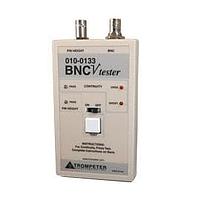
RF Test Equipment
Accurate RF measurement is essential when validating signal chains, checking transmit power, characterizing components, or maintaining wireless systems in the field. In practice, engineers rarely look for a single instrument in isolation—they need a testing setup that matches frequency range, connector type, measurement method, and workflow, from bench development to production support. That is where RF Test Equipment becomes a core part of the RF and microwave toolset.
This category brings together instruments and accessories used to measure RF power, verify network behavior, support calibration, and handle practical test connections. It is relevant for lab engineers, system integrators, maintenance teams, and buyers sourcing equipment for communications, aerospace, electronics manufacturing, and general RF design environments.
What this category is used for
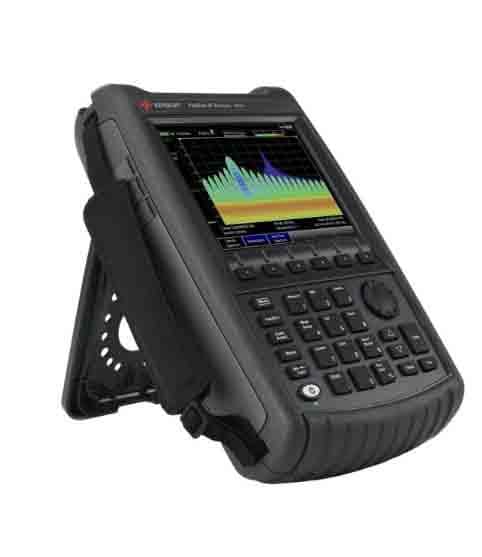
RF testing covers a wide range of tasks, including power verification, modulation analysis, fixture calibration, and signal path validation. Depending on the application, the required instrument may be a USB power sensor for portable measurement, a handheld power meter for field checks, or a dedicated test set that supports more structured RF characterization.
For example, a power sensor such as the KEYSIGHT U8481A or KEYSIGHT U8487A may be suitable when users need direct power readings across broad frequency ranges. In more demanding microwave work, products such as the KEYSIGHT U8489A or KEYSIGHT E8486A help extend measurement capability into much higher frequency bands, including waveguide-based applications.
Typical instrument types in RF measurement workflows
One of the most common groups in this category is the RF power sensor. These devices are used to measure the actual RF power delivered by a signal source, amplifier, or subsystem. Depending on the measurement principle, users may choose average thermocouple sensors, peak power sensors, RMS sensors, or waveguide sensors for specific frequency bands and signal characteristics.
Representative examples include the KEYSIGHT N1924A wideband peak power sensor, the Mini-Circuits PWR-9RMS-RC USB/Ethernet RMS power sensor, and the handheld KEYSIGHT V3500A-PWR for portable use. Each fits a different test environment: bench integration, automated setups, or field service work.
Another important group includes calibration and network test accessories. The KEYSIGHT 85091D RF Ecal module supports calibration workflows, while the KEYSIGHT E5063A-235 2-port test set aligns with applications where signal path characterization and repeatable measurement setup matter. Supporting interconnect items such as the Mini-Circuits FLC-4FT-SMSM+ cable also play a practical role in preserving signal integrity between instruments and DUTs.
How to choose RF test equipment for your application
The first selection factor is frequency coverage. An instrument that works well up to a few gigahertz may not be appropriate for microwave or millimeter-wave work. For instance, a handheld meter covering 10 MHz to 6 GHz serves a very different need from a sensor designed for 60 to 90 GHz or one extending to 120 GHz.
The second factor is the measurement objective. If the goal is average power monitoring, a USB thermocouple or average power sensor may be the right fit. If pulse behavior or signal peaks matter, a peak power sensor becomes more relevant. For specialized analysis, an instrument such as the RF Logic RF257 Automatic Modulation Meter may be considered where AM or FM modulation measurement is part of the task.
Connection method and test environment also matter. USB-based sensors can simplify bench setups and software integration, while Ethernet-capable devices may fit distributed or automated systems more easily. In many test chains, related passive components such as an attenuator are also used to protect instruments or condition the signal before measurement.
Bench testing, field work, and production use
Not every RF workflow requires the same form factor. In a laboratory, users often prioritize measurement range, calibration support, and repeatability. Compact USB sensors from KEYSIGHT are often chosen in these environments because they can integrate into software-controlled test processes while reducing the footprint of the measurement setup.
In field service or site verification, portability may be more important than a larger multi-instrument bench arrangement. A handheld unit such as the KEYSIGHT V3500A-PWR can be useful where technicians need quick checks of RF output without carrying a full rack-based system.
Production and validation environments often sit somewhere in between. They may need fast measurement, repeatable connections, and reliable accessory selection. Alongside instruments, users may also evaluate nearby RF building blocks such as RF integrated circuits or front-end components during development and test correlation.
Why accessories and calibration tools matter
RF measurement quality depends on more than the main instrument. Cable loss, connector condition, mismatch, and calibration state can all affect results. That is why this category is not limited to meters and sensors alone; modules and interconnect accessories are part of the broader testing ecosystem.
An Ecal module such as the KEYSIGHT 85091D helps improve calibration efficiency in suitable setups, while a flexible RF cable assembly can support cleaner routing and better fixture access. In high-frequency work, even small connection changes can influence repeatability, so choosing appropriate supporting hardware is often just as important as choosing the sensor itself.
Manufacturers commonly considered in this category
This selection is led by established RF test brands, with KEYSIGHT appearing prominently across power sensors, portable meters, and calibration-related equipment. The breadth of frequency coverage in the listed products makes it relevant for users ranging from general RF test teams to microwave specialists.
Mini-Circuits is also relevant where compact RF accessories and measurement-support products are needed, including power sensing and cable solutions. For more specialized use cases, RF Logic appears in the category through modulation-focused equipment that supports signal evaluation beyond simple power measurement.
Depending on the broader RF system being tested, users may also work alongside matching components such as an antenna or other RF path elements as part of development, diagnostics, or verification workflows.
Practical buying considerations for B2B sourcing
When comparing RF test equipment for procurement, it helps to look beyond the headline frequency range. Buyers typically need to confirm interface style, intended measurement type, integration needs, and whether the instrument is meant for lab use, field work, or production support. A sensor with USB connectivity may suit engineers building compact automated stations, while a handheld meter may better fit maintenance teams.
It is also useful to think in terms of the complete test chain. Sensor selection, adapter and cable quality, calibration method, and the expected DUT signal level all affect whether a setup is practical and repeatable. For that reason, category-level comparison is often the right starting point before narrowing down to a specific model.
Finding the right fit for RF measurement tasks
Choosing the right RF test equipment starts with a clear view of what needs to be measured: average power, peak power, modulation behavior, or calibrated network performance. From there, frequency range, connection style, and operating environment help narrow the shortlist to the most suitable instrument type.
Whether you are building a compact bench setup, supporting field diagnostics, or specifying tools for an RF production workflow, this category provides a practical starting point for comparing sensors, meters, calibration modules, and supporting accessories. A well-matched measurement setup helps improve confidence in RF results and makes downstream design or maintenance decisions easier.
Get exclusive volume discounts, bulk pricing updates, and new product alerts delivered directly to your inbox.
By subscribing, you agree to our Terms of Service and Privacy Policy.
Direct access to our certified experts