
Current Sensors
Accurate current measurement is a core requirement in power electronics, industrial control, battery systems, motor drives, and embedded monitoring. Whether the goal is protection, feedback control, energy tracking, or fault detection, choosing the right Current Sensors category can make system design more stable, safer, and easier to integrate across a wide range of AC and DC applications.
On this page, you can explore current sensing solutions used for electronic measurement and control tasks where signal fidelity, electrical isolation, response time, and installation method all matter. From compact integrated devices for PCB-level designs to sensor options suited for higher-current paths, this category supports engineers and buyers looking for practical components for modern sensing architectures.
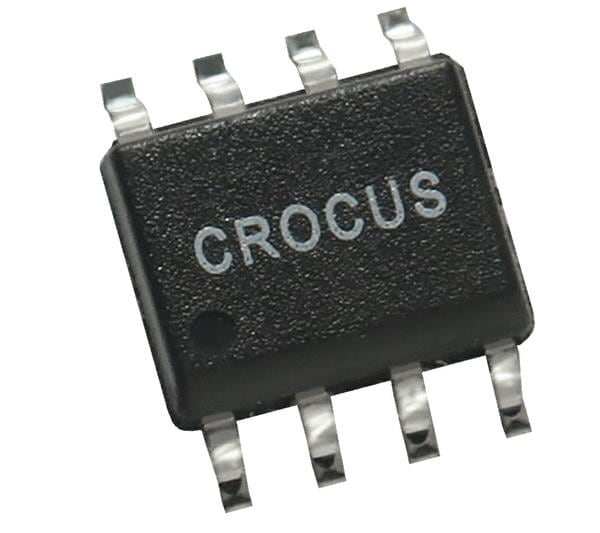
Where current sensors are used in real systems
Current sensing is widely used anywhere electrical load behavior needs to be measured or controlled in real time. Typical applications include inverter stages, power supplies, charging systems, industrial automation panels, motor controllers, and battery management electronics. In these environments, the sensor output may be used for closed-loop control, overload detection, efficiency analysis, or diagnostic logging.
These devices are also commonly selected alongside other sensing technologies depending on the broader design objective. For example, current monitoring may be paired with board mount temperature sensors to protect power stages, or with board mount pressure sensors in equipment where both electrical and process conditions must be tracked together.
Key sensing approaches and selection logic
Not every current sensor is designed for the same operating condition. A common distinction is whether the device measures AC only or both AC/DC, and whether it uses a direct magnetic sensing method such as Hall effect detection or another isolated measurement approach. In practical design work, engineers often compare required current range, isolation needs, allowable insertion loss, bandwidth, package style, and output behavior before narrowing down a part family.
Another major consideration is integration level. Some devices are compact IC-style solutions intended for board-level use, while others are better suited for higher-current conductors or more demanding installation conditions. When measurement stability, fast response, and compact PCB implementation are priorities, board-level solutions often become the preferred choice. If your design also needs broader electrical and environmental monitoring, related categories such as environmental sensors can help complete the sensing stack.
Representative product options in this category
This category includes a range of well-known sensing components from manufacturers active in power and embedded electronics. For example, the Honeywell CSNV1500N-326 Current Sensors provide one reference point for engineers evaluating current feedback components from Honeywell. In compact board-oriented design work, the Asahi Kasei Microdevices (AKM) CQ330A open-loop current sensor is another example of a device intended for AC/DC current measurement in a small package format.
Allegro MicroSystems is especially visible in this category, with examples such as ACS760ELF-20B-T, ACS711KEXLT-15AB-J, ACS773LCB-100B-PFF-T, ACS755SCB-200-PSF, and ACS755SCB-100-PFF, alongside CT-series options including CT415-HSN830MR, CT425-HSN865DR, CT425-HSN865MR, CT428-HSN830MR, and CT428-HSN820DR. These examples illustrate the breadth of packaging and measurement styles available rather than a one-size-fits-all solution.
Important factors when choosing a current sensor
The first step is to define the electrical operating window clearly. Buyers should confirm whether the application measures steady DC, sinusoidal AC, pulsed current, or rapidly changing waveforms. From there, it becomes easier to review current range, supply requirements, mounting style, output type, polarity behavior, and any environmental or automotive-grade expectations that may affect qualification.
Isolation is another important parameter, especially in power conversion, traction-related electronics, industrial drives, and energy systems. A sensor with the right isolation strategy can help protect control circuitry while simplifying measurement of high-side or high-current paths. In compact electronic assemblies, designers also pay close attention to response time, linearity, and thermal behavior because these directly influence control accuracy and protection timing.
Why board-level integration matters
For many embedded and OEM applications, the value of modern current sensing comes from how easily the device fits into the wider PCB and signal chain. A well-matched sensor can reduce external circuitry, support cleaner routing, and provide a more direct path from current conductor to signal conditioning. This can be particularly useful in power modules, chargers, DC-DC stages, and distributed control nodes where space is limited.
Integrated formats may also simplify manufacturing by reducing the need for additional mechanical mounting or external transducer assemblies. That does not mean every design should default to the smallest package; rather, the right decision depends on conductor size, thermal constraints, and the measurement role inside the system. In higher-power applications, physical layout and conductor design remain just as important as the sensor itself.
Working with trusted manufacturers
Manufacturer selection often matters as much as electrical performance, especially in B2B procurement and long-term product maintenance. Within this category, recognized names such as Allegro MicroSystems, Honeywell, and Asahi Kasei Microdevices (AKM) provide useful starting points for sourcing teams and design engineers comparing availability, package families, and product continuity.
Even when two sensors appear similar at a high level, differences in implementation can affect integration effort, calibration approach, and long-term suitability for the target equipment. That is why many engineering teams shortlist parts from proven suppliers first, then compare functional fit based on the intended current path, interface requirements, and certification expectations relevant to the final design.
How to narrow down the right option
If you are selecting from this category for a new design, start with four practical questions: what current needs to be measured, whether AC, DC, or both are present, whether galvanic separation is required, and how the signal will be used in the control or monitoring chain. That framework usually removes a large number of unsuitable parts early in the selection process.
It is also helpful to consider installation constraints from the beginning. PCB area, conductor routing, operating temperature, and required output interface all influence the final choice. A sensor that performs well on paper may still be a poor fit if its package, supply range, or integration style complicates the overall design.
Supporting more reliable measurement and control
Current sensing is not only about reading amperage; it is about improving system visibility, protection, and control quality across electronic equipment. The right component can help detect overloads sooner, improve control loop performance, and provide cleaner feedback for diagnostics and energy management.
As you compare options in this Current Sensors category, focus on the real operating conditions of your application rather than only headline ratings. A well-chosen device will fit the electrical design, the mechanical layout, and the long-term sourcing strategy at the same time, making integration more predictable from prototype through production.
Get exclusive volume discounts, bulk pricing updates, and new product alerts delivered directly to your inbox.
By subscribing, you agree to our Terms of Service and Privacy Policy.
Direct access to our certified experts