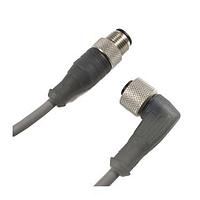
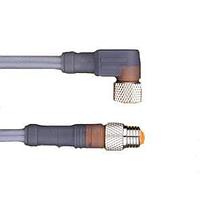
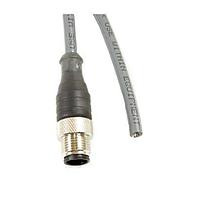
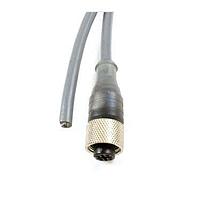
Cable Assemblies
In many electronic and industrial systems, the cable is more than a simple connection point. A well-matched Cable Assemblies solution helps reduce installation time, improve signal integrity, and keep equipment layouts cleaner and more reliable across prototyping, production, and field service environments.
This category brings together pre-terminated cable solutions for a wide range of interconnect needs, from board-level and rectangular assemblies to application-specific links used in computing, power, and infrastructure. For engineers, buyers, and maintenance teams, the main advantage is straightforward: selecting an assembly that already matches connector style, pitch, length, and intended use can simplify procurement and lower integration risk.
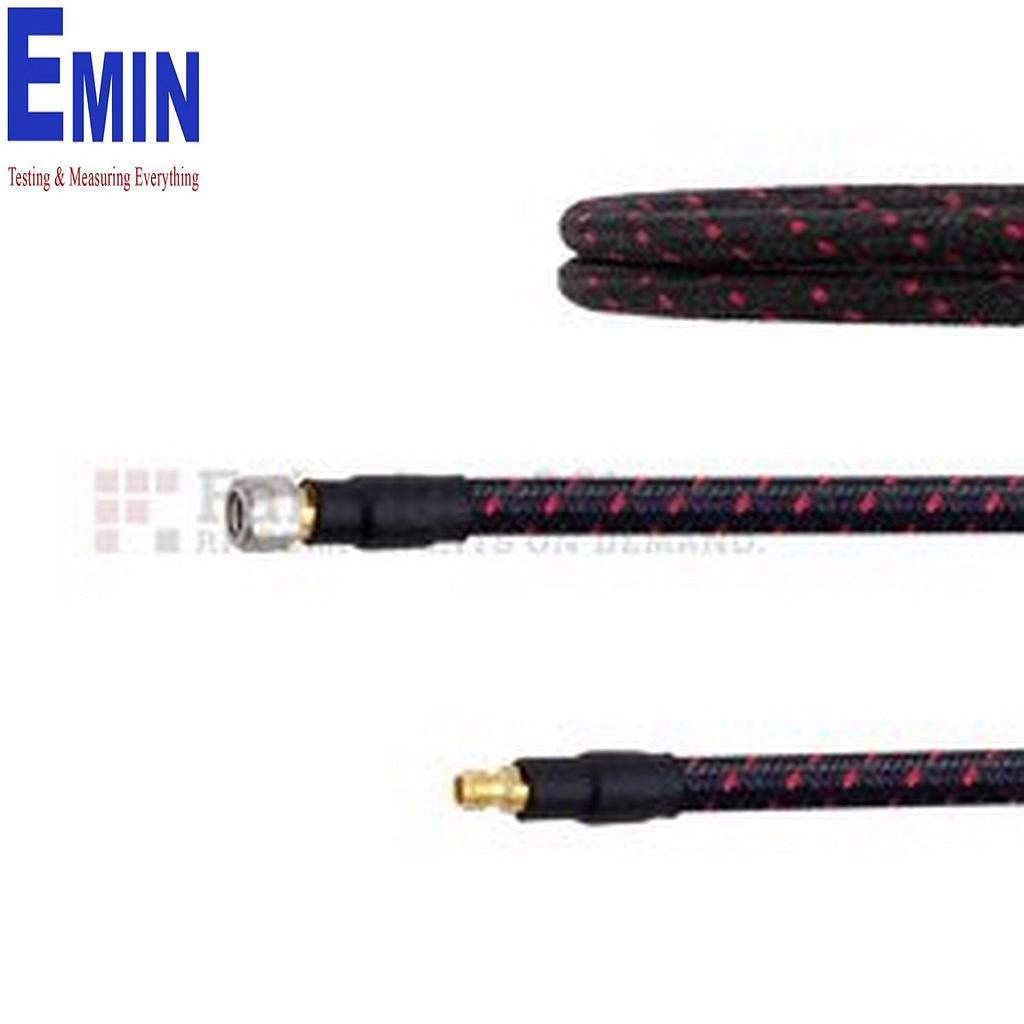
Where cable assemblies fit in modern equipment
Pre-assembled cables are used wherever repeatable, ready-to-install interconnects are preferred over loose wire preparation. That includes internal connections inside control panels, links between boards and modules, data and peripheral connections, and serviceable harnesses that need faster replacement in the field.
Compared with bulk conductors such as hook-up wire, cable assemblies are typically chosen when the termination style is already defined and assembly consistency matters. This is especially useful in applications where connector orientation, mating security, or spacing must be controlled from one build to the next.
Common selection factors for cable assemblies
Choosing the right assembly usually starts with the interface itself. Connector type, gender, pin count, pitch, and termination style all influence compatibility, especially in compact electronic designs where rectangular and IDC-based formats are common.
Length is equally important. A cable that is too short creates installation stress, while excessive slack can complicate routing and airflow. Buyers should also consider whether the application calls for shielding, keying features, or specific contact finishes, depending on signal sensitivity, mating cycles, and the operating environment.
In practical terms, many users compare assemblies by a combination of connector geometry, cable length, and application fit. This makes it easier to narrow down options without overemphasizing a single specification.
Representative product types in this category
The range covered here includes both general-purpose and more specialized assemblies. For example, the 3M 45110-010030-3749/10-D-3 and 3M 45130-010030-7700/30-C-06 are representative of rectangular cable assemblies used where compact board-to-board or board-to-interface connections are needed. Their format is relevant for equipment that benefits from organized conductor spacing and secure socket-to-socket mating.
Other examples show how broad the category can be. The 3M 9V4-S6L-VAT-3.00 QDD ASSY and 3M 9V4-S3L-VAR-2.00 QDD ASSY illustrate higher-level assembly options intended for specific interconnect requirements, while the American Power Conversion AP5264 KVM PS/2 CABLE - 3 FT (0.9 M) reflects the role of pre-terminated cables in IT and infrastructure environments.
For development and maker-oriented use cases, products such as Adafruit 1151 and Adafruit 1199 demonstrate how cable assemblies can support fast integration and prototyping without custom crimping or manual cable preparation. This variety makes the category relevant to both OEM design work and maintenance purchasing.
Manufacturers commonly associated with these solutions
Among the featured brands, 3M is strongly represented in this category, particularly for rectangular and interface-oriented assemblies used in electronics and embedded systems. These products are often considered when consistent termination quality and standardized interconnect formats are priorities.
Adafruit appears where rapid integration and practical connectivity for development work are important, while American Power Conversion is relevant in infrastructure-related cabling such as KVM and equipment support connections. Different manufacturers serve different use cases, so selection often depends less on brand preference alone and more on connector ecosystem, installation method, and target equipment.
How to evaluate fit for industrial and electronic applications
For internal electronic assemblies, focus on mating compatibility and physical routing. Compact cable assemblies with IDC or rectangular terminations are often selected to keep wiring organized inside enclosures, especially where multiple conductors need consistent spacing and fast installation.
In control, networking, or infrastructure settings, the requirements may shift toward serviceability and application-specific compatibility. If the project involves broader cable management, related products such as cable ties can help maintain bend control and cleaner panel organization after the interconnect is selected.
Where operating conditions become more demanding, users may also need to compare pre-terminated assemblies with other cable families. For example, applications involving unusual media or transmission methods may overlap with fiber optic solutions or with specialized cables designed around a narrower technical requirement.
Why pre-terminated assemblies can simplify procurement
From a purchasing perspective, cable assemblies help standardize what gets ordered, stocked, and replaced. Instead of sourcing connectors, cable, tooling, and labor separately, teams can buy a single finished item that is easier to identify by model and easier to swap during maintenance.
This approach can be valuable in B2B environments where repeat builds, documented BOMs, and controlled installation processes are essential. It also reduces variation introduced by manual termination, which can matter for connection reliability, assembly throughput, and field support.
Finding the right option for your build
The most effective way to select from this category is to start with the real installation constraints: mating interface, cable length, routing path, and whether the assembly is meant for internal electronics, external equipment connections, or support infrastructure. From there, comparing a few well-matched models is usually more productive than scanning by brand name alone.
If your application calls for a rectangular interconnect, a board-level cable, or a pre-terminated link for faster deployment, this category provides a practical starting point. Reviewing the connector style, conductor arrangement, and intended environment will help narrow the shortlist to assemblies that are easier to install and more appropriate for the system as a whole.
Whether you are sourcing for design, production, or replacement stock, a suitable cable assembly should support both electrical compatibility and day-to-day usability. A careful choice at this stage often leads to cleaner integration, simpler maintenance, and fewer surprises during installation.
Get exclusive volume discounts, bulk pricing updates, and new product alerts delivered directly to your inbox.
By subscribing, you agree to our Terms of Service and Privacy Policy.
Direct access to our certified experts