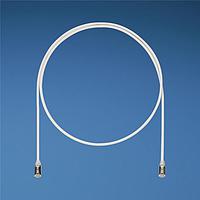
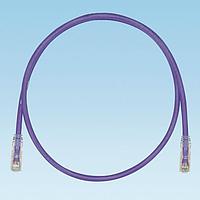
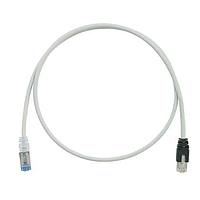
Ethernet / Networking Cables
Reliable data transmission starts with the right interconnect. In industrial control panels, embedded systems, telecom infrastructure, and IT hardware, cable selection affects signal integrity, installation efficiency, and long-term serviceability just as much as the active equipment itself. This is why Ethernet / Networking Cables are often chosen not only by connector type, but also by application environment, routing constraints, and network architecture.
Within this category, buyers typically look for practical options that support stable copper or high-speed direct-attach connections across switches, servers, controllers, gateways, and network-enabled devices. Whether you are building a compact machine network, replacing worn assemblies, or standardizing components for repeat projects, the goal is the same: dependable connectivity with the right mechanical and electrical fit.
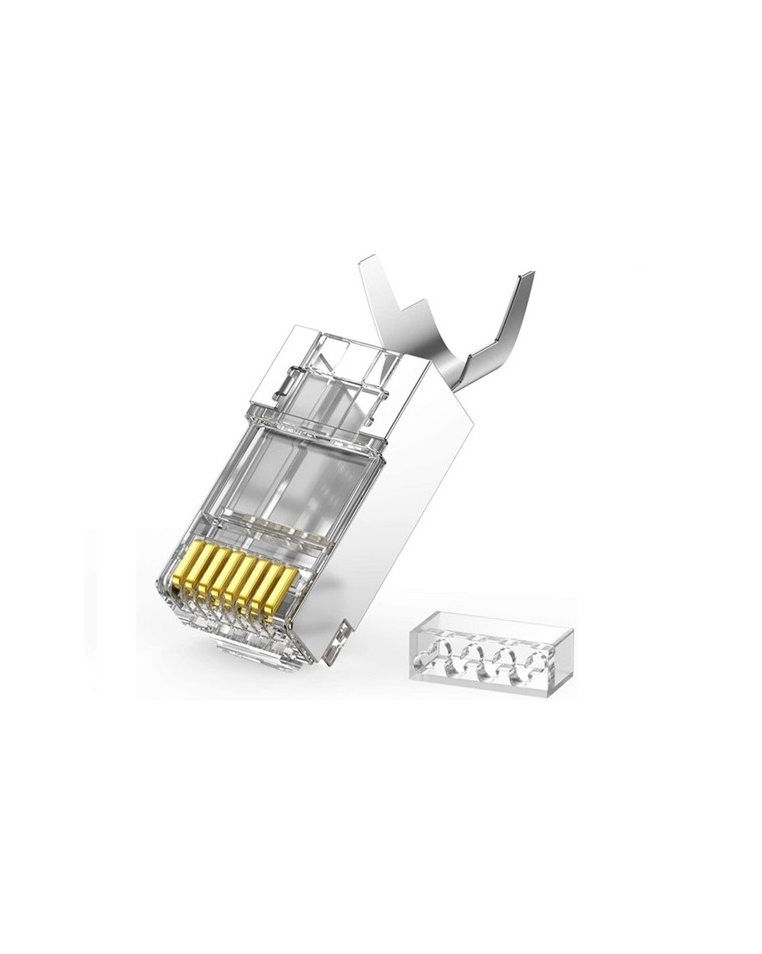
Where Ethernet and networking cables are used
Networking cable assemblies appear across a wide range of B2B applications, from office and enterprise systems to industrial automation and embedded computing. They are used to connect switches, routers, servers, control devices, edge computers, storage equipment, and communication modules where consistent data transfer is essential.
In many projects, the cable is selected as part of a broader interconnect strategy. Standard RJ45-based assemblies are common when linking Ethernet-enabled devices, while high-speed assemblies with SFP or QSFP style interfaces are more relevant in data-intensive environments. If your requirement extends beyond network interconnects, related options such as computer cables may also be worth reviewing for adjacent I/O and system integration needs.
Common cable formats in this category
This category covers more than one physical interface, which is important for system designers comparing network media and port compatibility. Some assemblies are built around familiar RJ45 terminations for Ethernet links in conventional networking environments, while others serve high-speed equipment interconnect use cases where compact pluggable interfaces are preferred.
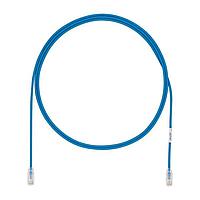
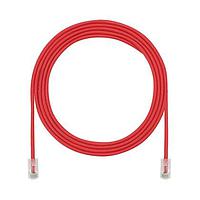
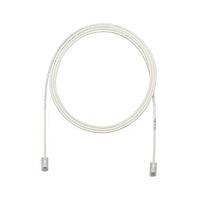
Examples from this range include Amphenol MP64RJ45UNNR025, Amphenol MP64RJ45UNNP020, and Amphenol MP-64RJ45UNNE-025 for RJ45-based connectivity, alongside models such as Amphenol SF-SFPP2EACTV-003 and Amphenol SF-QSFPINFQDR-002 for denser, higher-bandwidth network hardware layouts. These examples illustrate the variety of connector styles available within one networking-focused cable category rather than a single one-size-fits-all solution.
How to choose the right networking cable
The most useful starting point is the interface match. Confirm the port type on both ends of the connection, then review the required cable length, routing path, and whether the assembly will be used in a static cabinet or in an environment with frequent movement, maintenance access, or tight bend areas.
It is also important to consider the broader operating context. In compact cabinets or rack systems, cable diameter and bend management can influence airflow and service access. In industrial or distributed installations, secure mating, strain relief, and installation practicality often matter as much as pure transmission performance. Buyers comparing options specifically for LAN and structured data links can also explore the wider range of Ethernet and networking cable assemblies available within this category.
Featured manufacturer examples in this range
Several established suppliers appear across cable assembly and connectivity portfolios, including 3M, Advantech, TE Connectivity-related brands, and Amphenol. In the current featured products for this category, Amphenol is especially visible through multiple network cable assemblies designed for different connection formats and installation needs.
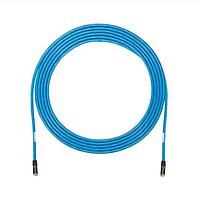
Representative products include Amphenol SF-SFPP2EACTV-001, Amphenol SF-SFPP2EACTV-007, Amphenol SF-SFPP2EACTV-010, and Amphenol SF-QSFP4SFPPS-001. These model references are useful when procurement teams need known examples for BOM comparison, lifecycle planning, or evaluating connector families already used elsewhere in their infrastructure.
Selection factors that matter in B2B procurement
For engineering and purchasing teams, choosing a cable assembly is usually part of a larger reliability and compatibility decision. Beyond the basic connector format, buyers often review cable length, installation density, expected maintenance intervals, and whether the assembly must support repeatable deployment across multiple panels, racks, or machines.
Documentation consistency and sourcing efficiency also matter. Standardizing on a small set of cable families can simplify replacement, reduce mismatched inventory, and make future expansion easier. In mixed-signal environments, some buyers also compare nearby cable categories such as D-Sub cables when networking links coexist with legacy serial or control interfaces.
Why category-level comparison is useful
When a product page shows only one model, it can be difficult to judge whether the format is ideal for the application or simply familiar. A category view makes comparison easier by showing multiple approaches to network connectivity, from shorter point-to-point assemblies to specialized cable types for denser equipment interconnects.
This is particularly helpful for OEMs, panel builders, system integrators, and maintenance teams who need to balance compatibility, lead time, and deployment consistency. Instead of treating each assembly as an isolated part number, you can compare connector families, cable styles, and manufacturer ecosystems in a more structured way.
Frequently asked questions
What is the main difference between RJ45 network cables and SFP/QSFP style cable assemblies?
RJ45 assemblies are commonly used for standard Ethernet device connections, while SFP or QSFP style assemblies are typically associated with higher-density or higher-speed networking equipment. The correct choice depends on the ports available on your hardware.
Can this category be relevant for industrial automation projects?
Yes. Ethernet-based communication is widely used in industrial systems for controllers, HMIs, industrial PCs, gateways, and switch-level networking. The right cable depends on port type, cabinet layout, and installation conditions.
Should I choose by brand first or by connector type first?
In most cases, connector compatibility and application fit should come first. Brand preference can then help narrow options based on existing supplier standards, approved vendor lists, or project sourcing strategy.
Final considerations
The right networking cable supports more than a simple device-to-device connection. It helps maintain signal stability, keeps installation organized, and reduces avoidable compatibility issues during commissioning or maintenance. By comparing connector formats, cable lengths, and manufacturer ecosystems with your actual application in mind, it becomes much easier to identify a practical fit for long-term use.
If you are sourcing for infrastructure upgrades, embedded platforms, or industrial communication networks, this category provides a focused starting point for evaluating Ethernet and related network cable assemblies without losing sight of real deployment requirements.
Get exclusive volume discounts, bulk pricing updates, and new product alerts delivered directly to your inbox.
By subscribing, you agree to our Terms of Service and Privacy Policy.
Direct access to our certified experts