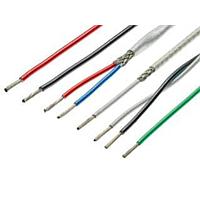
Hook-up Wire
Reliable internal wiring starts with cable that matches the electrical load, installation environment, and routing constraints. In control panels, industrial equipment, test systems, and electronic assemblies, Hook-up Wire is used for point-to-point connections where flexibility, insulation performance, and easy identification all matter.
This category brings together single-core wire options suited to a wide range of wiring tasks, from compact electronic layouts to heavier current-carrying connections. Depending on the application, buyers may need to balance conductor size, insulation type, temperature capability, voltage rating, and color coding to build a wiring system that is both practical and maintainable.
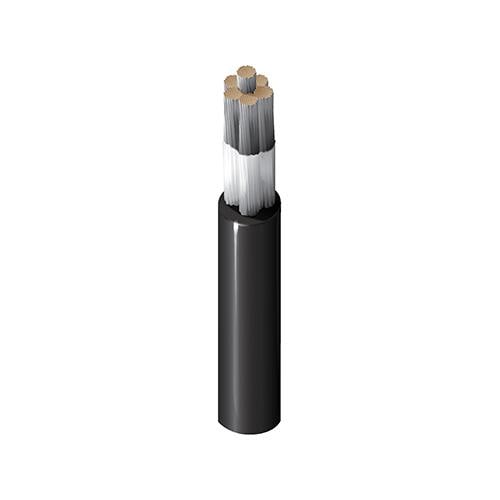
Where hook-up wire is typically used
Hook-up wire is commonly selected for internal equipment wiring rather than long-distance power distribution. Typical use cases include wiring inside electrical cabinets, interconnection between terminals and components, prototype and test setups, machine control assemblies, and general-purpose electronic or electromechanical systems.
Because these applications often involve confined spaces and multiple signal or power paths, single-core wire is valued for its routing flexibility and clear conductor identification. Different colors can simplify installation, inspection, and future maintenance, especially when multiple circuits are bundled in the same enclosure.
What to look for when choosing wire
The first practical consideration is conductor cross-section. Smaller sizes can be useful where space is limited and current demand is modest, while larger sizes are better suited to circuits that require greater current capacity or lower voltage drop. In this category, examples range from compact options such as HUBER+SUHNER RADOX 125 0,25 MM2 variants up to larger sizes such as 1.5 MM².
Insulation performance is equally important. Buyers should consider the expected ambient temperature, possible heat rise near components, mechanical handling during assembly, and any voltage requirements defined by the design. For example, the Fujikura EM-KIE-0.75-Red Single core cable includes context such as a 600V DC rating and a 75°C temperature range, which helps illustrate how hook-up wire selection often depends on more than conductor size alone.
Why insulation material and temperature resistance matter
In many industrial and electrical assemblies, wire is routed close to power devices, relays, transformers, heaters, or other heat-generating components. That makes temperature resistance and long-term insulation stability important for safe operation and service life. Choosing a wire that fits the actual thermal environment can reduce the risk of insulation hardening, cracking, or premature replacement.
Several featured products in this category come from HUBER+SUHNER, including RADOX 125 single-core cable options in multiple conductor sizes and colors. These products are useful examples for applications where engineers are comparing wiring solutions based on compact routing, identification by color, and suitability for internal electrical assembly work.
Color coding and maintenance advantages
Color selection is not just a visual preference. In real installations, it helps technicians separate circuits, identify functions more quickly, and reduce errors during troubleshooting or modification. The availability of black, white, grey, violet, yellow, and red variants among the listed products shows how hook-up wire can support more organized panel and equipment layouts.
For systems that may be expanded or serviced later, clear wire identification saves time during continuity checks and rework. This becomes especially valuable in dense assemblies where a maintenance technician needs to trace one conductor among many without removing large parts of the harness or panel wiring.
Examples from this category
For lighter-duty internal connections, products such as the HUBER+SUHNER RADOX 125 0,25 MM2 WHITE Single core cable or the 0,25 MM2 GREY version may be relevant where compact routing is a priority. Mid-range options like the HUBER+SUHNER RADOX 125 0,50 MM2 BLACK Single core cable provide another reference point for general internal wiring tasks.
Where higher conductor capacity is needed, options such as the HUBER+SUHNER RADOX 125 1,0 MMA2 RED Single core cable or the HUBER+SUHNER RADOX 125 1.5 MM² RED Single core cable may be more appropriate. The Fujikura EM-KIE-0.75-Red Single core cable is another useful example for buyers comparing single-core wire based on voltage rating, conductor build, and intended use in general electrical and electronic equipment.
How hook-up wire fits into a broader wiring system
Single-core internal wiring is only one part of a complete cable ecosystem. Some projects also require specialized conductors for temperature-related sensing circuits, where conductor characteristics and signal integrity are particularly important. If your application involves thermal measurement components, you can also review wire for RTD and thermistor applications for more targeted options.
In broader machine or cabinet design, hook-up wire may be combined with terminals, connectors, protective sleeving, and cable management hardware. When specifying materials, it is helpful to think beyond the wire itself and consider the full installation method, expected maintenance access, and compatibility with the rest of the electrical assembly.
Choosing by manufacturer and sourcing needs
Many buyers prefer to standardize on known cable manufacturers for documentation, procurement consistency, and long-term supply planning. Within this category, Fujikura and HUBER+SUHNER are relevant references based on the featured products shown. Manufacturer-based selection can be useful when a project requires alignment with existing approved vendor lists or internal engineering standards.
It may also be helpful to compare this range with other hook-up wire options across available sizes and colors before finalizing a bill of materials. In practice, the right choice often comes down to installation temperature, electrical rating, conductor cross-section, and the level of organization required inside the finished assembly.
Final considerations for selection
When reviewing hook-up wire for industrial or electronic use, focus on the conditions the wire will actually see in service: current load, routing space, insulation demands, identification needs, and maintenance expectations. A well-matched wire supports cleaner assembly work and helps avoid avoidable issues later in operation.
This category is best approached as a practical sourcing and specification resource for single-core wiring used inside equipment and panels. By comparing conductor size, color, and application context, buyers can narrow down the most suitable option for reliable day-to-day electrical integration.
Get exclusive volume discounts, bulk pricing updates, and new product alerts delivered directly to your inbox.
By subscribing, you agree to our Terms of Service and Privacy Policy.
Direct access to our certified experts