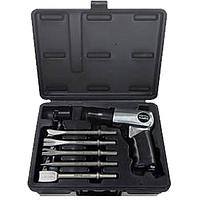
Hemmer Air
When a job calls for fast material removal, rust breaking, seam separation, or surface cleaning in tight spaces, an air hammer is often the more practical choice than larger cutting or grinding equipment. In maintenance workshops, fabrication lines, and industrial repair environments, these tools help operators deliver repeated impact with stable pneumatic power and straightforward control.
Hemmer Air covers pneumatic hammer and air chipping applications used for chiseling, scraping, loosening stubborn parts, and general workshop rework. This category is relevant for users comparing compact impact tools for metalworking, equipment maintenance, body repair, and other repetitive striking tasks where compressed air is already available.
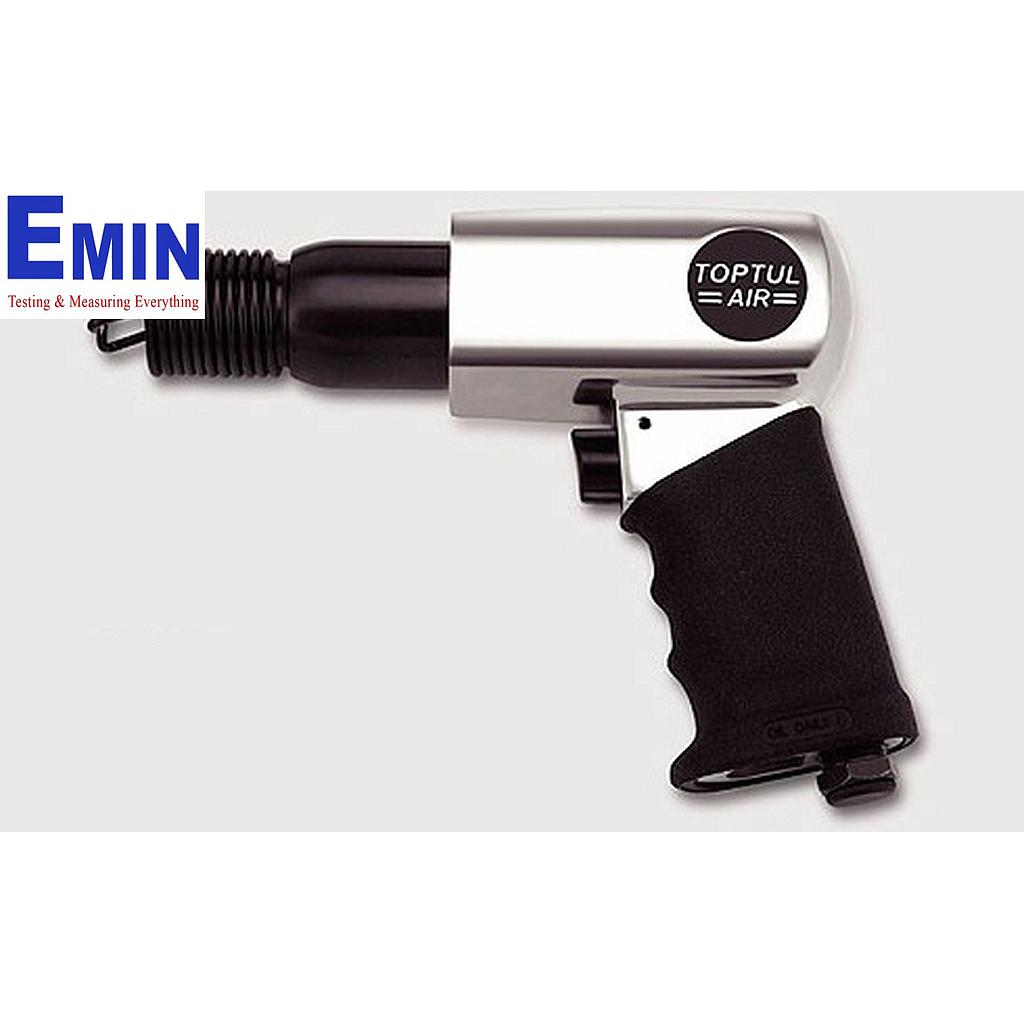
Where air hammers fit in industrial work
An air hammer converts compressed air into rapid linear impact, making it suitable for jobs that require controlled percussion rather than continuous rotation. Typical uses include removing scale, cutting through thin sections with the right chisel, separating joints, cleaning weld areas, and handling surface preparation before finishing or repair.
Compared with hand tools, pneumatic hammers reduce operator effort on repetitive tasks. They also complement other workshop equipment such as air grinders for finishing work or air impact wrenches for fastener removal when a maintenance process involves several stages.
Common tool roles within this category
Not every product in this category serves exactly the same purpose. Some models are better aligned with air chipping and heavier striking, while others support scraping and lighter surface removal. Understanding that difference helps buyers avoid selecting a tool that is either underpowered for the task or unnecessarily aggressive for delicate work.
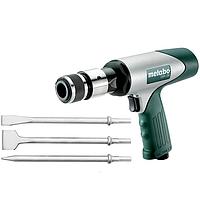
For example, the METABO DMH 30 SET Air chipping hammer is positioned for chipping applications, while the METABO DMH 290 SET Air chipping hammer offers another option for users comparing weight, impact rate, and air demand within a similar pneumatic workflow. For lighter scraping-oriented work, the Vessel GT-ASC5 AIR SCRAPER represents a different tool role in the same broader ecosystem of impact-based air tools.
Representative brands and product examples
Several established manufacturers are relevant in this range, including METABO, TOPTUL, and Vessel. Each brings a slightly different orientation in terms of workshop use, accessory format, and handling preference, which is why buyers often compare more than one brand before standardizing across a maintenance team.
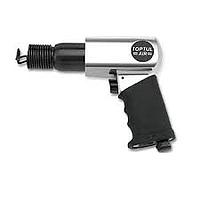
A practical example for heavy-duty impact work is the Toptul KAHA3217 Heavy Duty Air Impact Hammer, which is suitable to mention when the priority is repeated blows in a compact body. In contrast, the METABO DMH 30 SET and DMH 290 SET are useful reference points for users looking at air chipping kits, while the Vessel GT-ASC5 AIR SCRAPER fits applications focused more on scraping action than conventional chiseling.
How to choose the right pneumatic hammer
The first checkpoint is the application type. Chiseling, weld cleanup, gasket removal, corrosion removal, and seam work may all involve impact tools, but the required tool behavior can vary considerably. A scraping task may benefit from a different stroke pattern and accessory style than a demolition or cutting task.
The second factor is air supply compatibility. Operating pressure, air consumption, hose size, and air inlet format should match the plant or workshop pneumatic setup. Even a capable tool will underperform if the compressed air line cannot support stable flow at the required pressure.
Tool weight and handling also matter in day-to-day use. For frequent overhead or extended-duration work, a lighter tool may reduce fatigue. For more stubborn materials, users may accept higher weight in exchange for stronger impact delivery and better removal speed.
Accessory and system considerations
Air hammers are rarely selected in isolation. Chisels, retainers, couplers, hoses, and air preparation accessories all influence tool performance and service life. In real operating conditions, correct air lubrication and clean compressed air are just as important as the headline tool specification.
Buyers should also consider what other pneumatic tools are used in the same line or workshop. If the process includes drilling pilot holes or assembly work after material removal, related categories such as air drills can be relevant when planning a more complete pneumatic tool setup. This kind of system view is especially useful for MRO and production purchasing teams.
What technical buyers usually compare
In this category, the most useful comparisons often include impact rate, operating pressure, air requirement, bit or chisel interface, and overall tool weight. These values help estimate whether a model fits the intended duty cycle and whether the existing compressor and air distribution network can support it reliably.
Noise and vibration data can also be important, particularly in professional environments where operator comfort and safety are part of the selection criteria. Kit contents may matter as well. Some models are supplied with chisels, couplings, or carrying cases, which can simplify deployment for field service teams or workshop maintenance personnel.
Suitable applications across maintenance and production
Air hammers are widely used in metal fabrication, equipment maintenance, automotive body repair, plant shutdown work, and workshop refurbishment tasks. They are helpful wherever operators need repetitive impact energy in a compact handheld format, especially when electric tools are less convenient or when compressed air infrastructure is already standard.
For B2B buyers, the right choice is usually the one that balances task intensity, operator handling, and compressed air availability. Whether the requirement is a heavy-duty air impact hammer, an air chipping set, or a scraper-style pneumatic tool, the category supports a range of impact-based maintenance and surface-preparation jobs without forcing a one-size-fits-all selection.
Final considerations before ordering
Choosing from this category is easier when the actual job is clearly defined: what material is being worked on, how often the tool is used, what accessories are needed, and what compressed air conditions are available on site. Those points usually matter more than comparing product names alone.
For buyers sourcing pneumatic tools for workshop, maintenance, or production environments, this category provides a practical starting point for evaluating air hammer and chipping solutions from recognized brands. Reviewing tool role, air demand, and handling characteristics together will lead to a more suitable and cost-effective selection over time.
Get exclusive volume discounts, bulk pricing updates, and new product alerts delivered directly to your inbox.
By subscribing, you agree to our Terms of Service and Privacy Policy.
Direct access to our certified experts