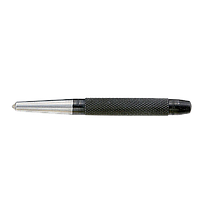
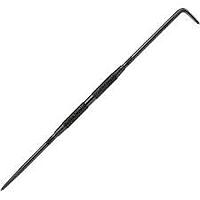
Scriber
Accurate layout work starts long before cutting, drilling, or fitting. In metalworking, maintenance, fabrication, and general workshop tasks, a clear marking line helps reduce positioning errors and improves repeatability across the job. That is why Scriber tools remain a practical part of many assembly and bench tool setups, especially when users need sharp, visible marks on metal or other hard surfaces.
Within this category, you will find marking and layout tools used for tracing lines, locating centers, and preparing surfaces for the next operation. The range also includes related tools such as dividers, center punches, and complete marking sets, which are often used together in workshop measurement and fitting processes.
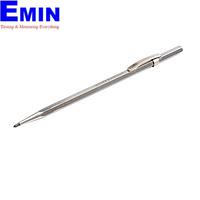
Where scribers are used in workshop and fabrication tasks
A scriber is typically used when a pen, pencil, or marker cannot produce a durable line on the workpiece. On coated, polished, or raw metal surfaces, a pointed marking tool can create a fine scratch line that stays visible during handling, measuring, or machining. This makes it useful for sheet metal work, fixture preparation, part fitting, mechanical repair, and inspection-related layout tasks.
In practical use, a scriber is often part of a broader hand-tool workflow. A line may be marked first, then verified with a rule or square, and finally supported with a punch mark before drilling. In that context, related workshop items such as hammers may also be used alongside punches during manual marking operations.
Common tool types found in this category
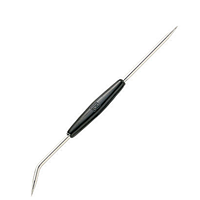
This category is centered on scribing and marking tools, but users often need more than one tool to complete a layout task accurately. Straight scribers are suitable for drawing fine lines and transferring dimensions onto hard surfaces. Carbide-tipped versions are commonly selected when better wear resistance is needed, especially for repeated use on metal.
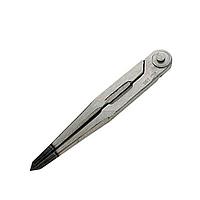
Dividers and punches complement the scriber in many applications. A divider helps transfer distances or mark arcs, while a center punch creates a starting point for drilling. For users who want multiple marking tools in one package, complete sets can be a practical choice for bench work, toolrooms, or maintenance teams.
Representative products in the range
Several products in this category illustrate the different marking needs found in industrial and workshop environments. The Niigata Seiki range includes dedicated scribers such as the Niigata Seiki SCRIBERK Scriber and carbide-tipped options including the Niigata Seiki A CARBIDE TIP SCRIBER, H CARBIDE TIP SCRIBER, and S CARBIDE TIP SCRIBER. These tools are suited to users who need a fine point for layout marking on hard materials.
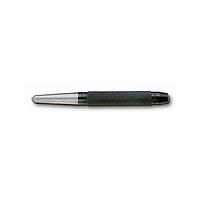
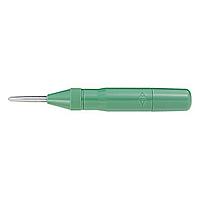
For point marking before drilling, the Niigata Seiki TCP-M CARBIDE TIP CENTER PUNCH and the Niigata Seiki AP-S Carbide Tip Automatic Punch show the difference between manual and automatic punch styles. Where a broader kit is preferred, the Niigata Seiki CTS-8 Carbide Tool Set brings together multiple marking tools for workshop use. Other examples in the category include the Niigata Seiki FD-150 FIRM JOINT DIVIDER and the MOORE & WRIGHT SCT002R Carbide Tipped Scriber, both relevant for precision-oriented layout work.
How to choose the right scriber or marking tool
The best choice depends on the surface material, marking frequency, and the type of operation that follows. For simple line marking, a standard scriber may be enough. If the tool will be used frequently on metal or in demanding shop conditions, a carbide tip can offer better durability than a conventional point.
Tool size and grip shape also matter. A slim, lightweight scriber can be easier to control for fine marking, while a larger handle may be more comfortable during repetitive use. If the next step involves drilling, adding a center punch to the setup can improve hole positioning. For circular layouts or transferred spacing, a divider is usually more suitable than a scriber alone.
Manual punches, automatic punches, and dividers in the same workflow
Many users searching for scribers are also planning a complete layout sequence rather than buying a single tool in isolation. A manual center punch is a straightforward option when impact force is applied with a hammer. An automatic punch, by contrast, creates the mark through an internal spring mechanism, which can be convenient for one-handed work or light repetitive tasks.
Dividers support another important part of the process: stepping out equal distances, transferring measurements, or marking circles and arcs. This is why a scriber category may naturally include products beyond line-marking pens or needles. In workshop practice, these tools function as a layout tool system rather than as isolated items.
Brand options for different workshop preferences
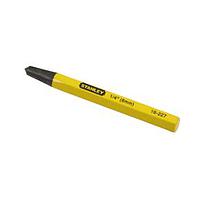
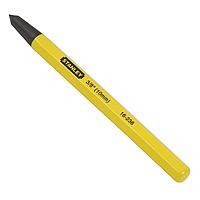
This category includes products from established tool brands used in industrial and technical settings. STANLEY appears in the range with marking-related tools such as the STANLEY 16-227 Center Punch and STANLEY 16-236 marking chisel. For precision hand tools, MOORE & WRIGHT and Niigata Seiki are also notable references within the selection.
Brand choice often comes down to user preference, required durability, and the type of bench work involved. Some buyers focus on straightforward maintenance use, while others prioritize fine-point layout work for more precise applications. If your tool selection extends beyond marking tasks, related categories such as socket wrench sets or other assembly tools may also be relevant in the same workshop environment.
What to check before ordering
Before selecting a product, it is useful to confirm whether you need a line-marking tool, a point-marking tool, or a multi-tool set. Tip material, overall length, handling comfort, and intended surface should all be reviewed in relation to the job. For production, maintenance, or fitting work, even small differences in tool geometry can affect control and marking visibility.
It is also worth considering whether the tool will be used occasionally for general workshop tasks or regularly as part of a repeatable process. A single scriber may be enough for simple layout jobs, while teams performing frequent marking, punching, and dimension transfer may benefit from adding dividers or a complete marking set to the tool bench.
Final thoughts
A well-chosen scriber helps create clean reference lines and supports more accurate downstream work, whether the task is drilling, fitting, inspection, or fabrication. This category brings together practical marking tools for users who need reliable manual layout equipment, from basic scribers to punches, dividers, and complete sets.
When comparing options, focus on the actual marking task, workpiece material, and how the tool fits into your broader workshop process. That approach usually leads to a more suitable choice than selecting by name alone.
Get exclusive volume discounts, bulk pricing updates, and new product alerts delivered directly to your inbox.
By subscribing, you agree to our Terms of Service and Privacy Policy.
Direct access to our certified experts