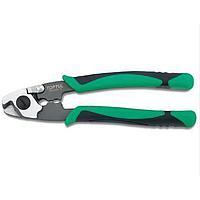
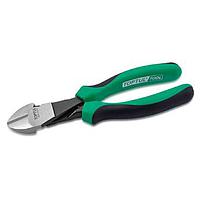
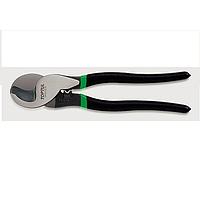
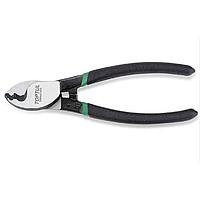
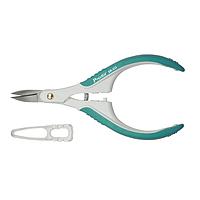
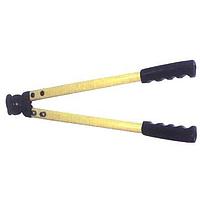
Cable cut pliers
Clean cable preparation has a direct impact on electrical safety, installation speed, and the quality of the final connection. In workshops, panel building, maintenance, and field wiring, the right cutting tool helps reduce conductor damage, improve handling, and support more consistent downstream steps such as stripping, crimping, or termination. This is why many buyers look beyond generic hand tools when selecting cable cut pliers.
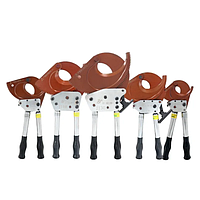
Within an industrial tool lineup, this category brings together manual cutting tools designed for cables, selected plastics, and related materials used in electrical and assembly work. Depending on the job, users may need compact pliers for light cable work, insulated cutters for larger conductors, or heavier-duty tools for demanding cutting capacity and repetitive use.
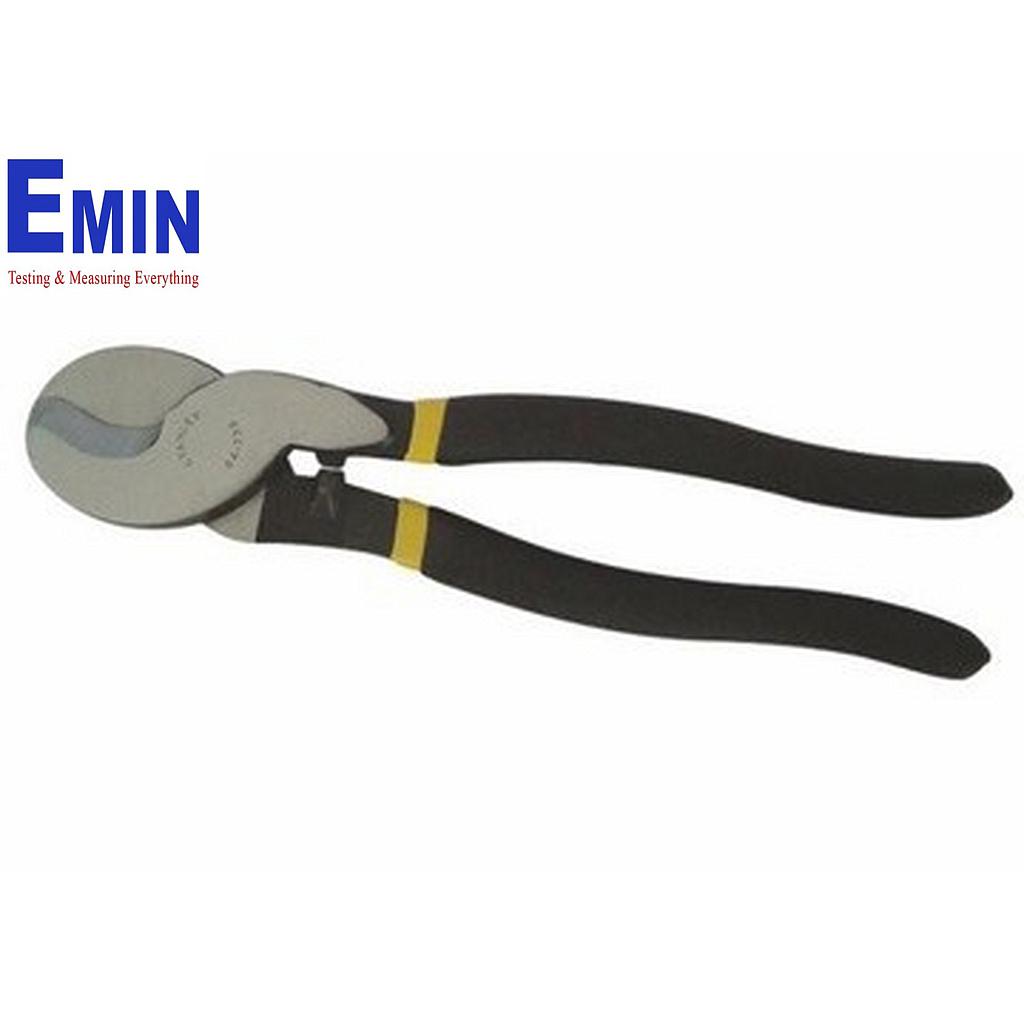
Where cable cut pliers fit in daily work
These tools are commonly used wherever cable routing, harness preparation, or component installation takes place. Electricians, maintenance teams, control cabinet assemblers, and general technical workshops rely on dedicated cutters to make cleaner cuts on copper or aluminum cable than standard general-purpose pliers typically can.
They also play a practical role in reducing waste. A cleaner cut can make the next process easier, especially when preparing cable ends for terminals or when trimming insulating materials. In broader bench work, cable cutting tools often sit alongside other hand tools such as socket wrench sets and repair kits, depending on the maintenance or assembly task.
Main tool types found in this category
Although the category centers on cutting, the product mix can serve different material types and working styles. Some tools are intended mainly for electrical cable, while others are more suitable for plastics or general trimming tasks in assembly environments. The right choice depends on conductor size, insulation thickness, access space, and how frequently the tool will be used.
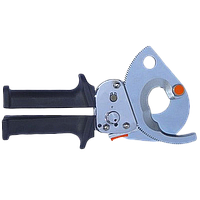
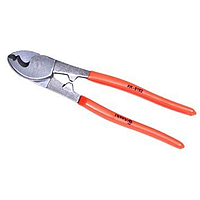
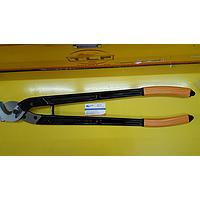
For example, the Proskit SR-538 Heavy Duty Cable Cutter is aligned with larger cable cutting needs, while the Proskit 8PK-325 Round Cable Slitting and Ringing Tool supports cable preparation tasks where slitting and ring cutting are required before final termination. On the more compact side, models such as YATO YT-1954 and YATO YT-1953 are positioned for cable cutting in smaller form factors, while YATO YT-1952, YT-1951, and YT-1950 are more relevant when plastic materials are part of the workflow.
Choosing the right tool for cable size and material
The first selection factor is cutting capacity. Buyers should match the tool to the cable diameter or conductor cross-section actually used in production or maintenance. Selecting too small a cutter can deform the cable, increase hand force, and shorten tool life. Selecting too large a tool for light work can reduce control and make repetitive tasks less efficient.
Material also matters. Copper and aluminum cable can behave differently during cutting, and plastic trimming requires a different edge geometry than cutting metal fasteners. A product such as YATO YT-2146 Insulated cable cutters is more suitable when higher-capacity insulated cable work is involved, while the TOPTUL SBCB2410 High Tensile Strength Bolt Cutter belongs to a heavier-duty cutting context focused on stronger materials rather than standard cable preparation.
If the task includes preparing round cable jackets, a slitting tool may be more appropriate than a conventional cutter alone. In that case, the Proskit 8PK-325 provides a more specialized approach to jacket handling than standard cutting pliers. For teams already standardizing their tool inventory by supplier, it can also be useful to review the broader ranges from Proskit or YATO when comparing handling style and application fit.
What to look for in practical use
In B2B purchasing, selection is rarely based on cutting function alone. Buyers often consider ergonomics, expected duty cycle, access in confined spaces, and whether the tool will be used for repetitive service work or occasional bench tasks. A compact slide cutting plier may be preferable for lighter cable work and improved maneuverability, while a longer heavy-duty cutter can provide the leverage needed for thicker conductors.
Blade design, handle length, and insulation requirements are also important. A clean cutting action helps maintain cable integrity and can reduce the chance of frayed strands on softer conductors. For field service teams, portability may be a deciding factor; for production benches, consistency and durability may carry more weight.
Examples from the current product range
Several representative products help illustrate how this category serves different needs. The Proskit SR-538 Heavy Duty Cable Cutter is suited to larger copper or aluminum cable applications where leverage and dedicated cutting geometry are important. The Proskit 8PK-325 addresses round cable slitting and ringing, making it useful when jacket preparation is part of the process rather than only end cutting.
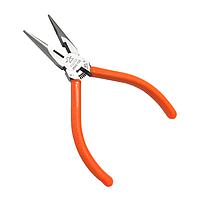
TOPTUL DKBB2307 Ratchet Crimping Tool for Non-lnsulated Terminal is not a cutter, but it highlights an important workflow connection: after cable is cut and prepared, termination quality depends on using the correct crimping tool. Likewise, YATO YT-1948 and YT-1947 slide cutting pliers show how this category can also support more general trimming tasks in assembly settings, especially where mixed materials are handled.
Brand coverage and sourcing considerations
This category may be evaluated not only by tool type but also by supplier preference, service expectations, and compatibility with existing procurement standards. Commonly referenced brands in this tool segment include SATA, STANLEY, Fujiya, HOLEX, KEIBA, Proskit, TOPTUL, Triplett, YATO, and HT. However, the right purchasing decision still depends more on application fit than on brand name alone.
For teams building a consistent workshop setup, cable cutting tools are often sourced together with related hand tools. Depending on the maintenance environment, it may also be practical to compare this category with hex wrench sets or browse other assembly tools for complementary items used in installation and service work.
How to narrow down your selection
A simple way to shortlist the right model is to start with the material being cut, then confirm size range, then review the working environment. For electrical cable work, prioritize tools intended for cable rather than general cutting. For repetitive use, look for a design that supports better leverage and operator comfort. For mixed workshop applications, a compact slide cutting style may be adequate if material limits are understood clearly.
- Use case: cable cutting, jacket slitting, plastic trimming, or heavy-duty cutting
- Material: copper, aluminum, plastic, or higher-strength material
- Capacity: match diameter or cross-section to the real job requirement
- Handling: compact access, leverage, insulation, and frequency of use
Taking a more application-based approach usually leads to a better fit than choosing by appearance alone. It also helps avoid overbuying heavy tools for light work or under-specifying cutters for demanding cable sizes.
Final thoughts
A well-chosen cable cut pliers tool supports cleaner cable preparation, smoother installation work, and better consistency across maintenance and assembly tasks. Whether the need is a compact cutter for daily electrical work, a tool for round cable jacket preparation, or a heavier-duty option for larger conductors, the category offers several practical directions based on material, capacity, and usage frequency.
When comparing options, focus on the actual workflow around the cut: cable type, access conditions, and what happens next in the process. That approach makes it easier to select a tool that fits real operational needs rather than simply adding another general-purpose plier to the toolbox.
Get exclusive volume discounts, bulk pricing updates, and new product alerts delivered directly to your inbox.
By subscribing, you agree to our Terms of Service and Privacy Policy.
Direct access to our certified experts