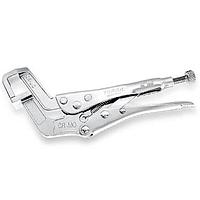
Lock-grip pliers
When a job calls for steady holding force rather than simple gripping, a reliable pair of lock-grip pliers becomes one of the most practical tools on the bench. In maintenance, fabrication, automotive work, and general repair, this tool helps secure parts firmly so the operator can weld, bend, twist, align, or loosen components with better control.
On this category page, buyers can explore locking pliers for different jaw styles, workpiece shapes, and size ranges. The key is not just choosing a familiar brand, but selecting the right jaw profile, opening range, and overall length for the actual task.
Why locking pliers are still essential in workshop and maintenance work
Unlike standard pliers, locking pliers are built to clamp and stay locked in position. Their adjustment screw and release lever create a controlled holding force, which is especially useful when the user needs both hands free for the next operation. This makes them suitable for repetitive repair work, temporary fixture holding, and handling awkward or slippery parts.
In practical use, they are often chosen for gripping round stock, flat sheet material, small fittings, wire, or damaged fasteners that are difficult to hold with ordinary hand tools. For broader bench work, they are also commonly used alongside a socket wrench set or other general-purpose assembly tools.
Common jaw types and where they fit best
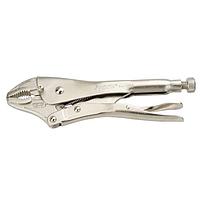
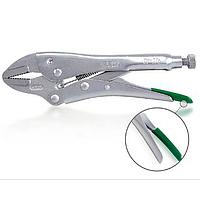
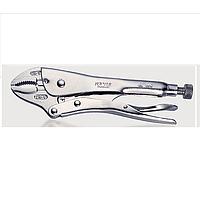
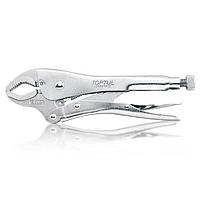
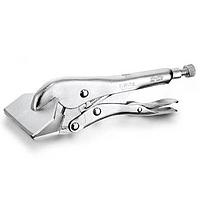
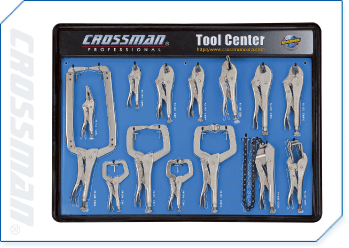
The most important difference between models is usually the jaw design. Straight jaw locking pliers are well suited to flat surfaces, plates, and rectangular parts where even contact is important. Curved jaw versions usually provide a better bite on round or irregular workpieces, making them useful in pipe, rod, or general repair applications.
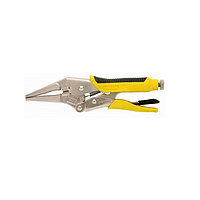
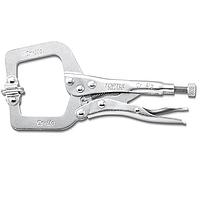
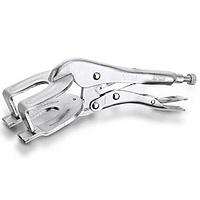
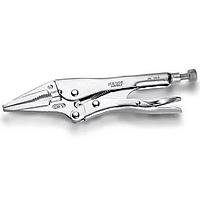
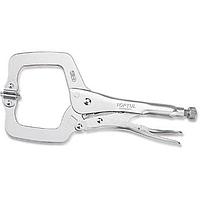
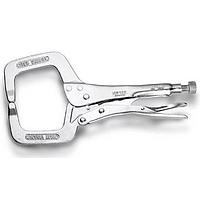
Long-nose locking pliers are better for narrow access areas, small components, or reaching into confined assemblies. C-clamp styles with swivel pads are more appropriate when the goal is to hold two parts together during setup or fabrication, especially where a more clamp-like contact is needed than a typical plier jaw can provide.
This variety is why a single tool rarely covers every application. In many workshops, locking pliers complement other categories such as other assembly tools rather than replacing them.
Representative products in this category
Several featured models show the practical range available. The STANLEY 84-371 Straight Jaw Locking Pliers in 10-inch size are a typical choice for users who regularly clamp flat or straight-edged parts. The STANLEY 84-389 offers another familiar locking plier format for general workshop use.
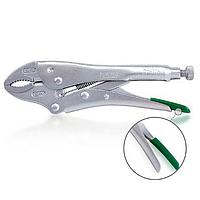
For clamp-style holding, the TOPTUL DMAA1A06 C-Clamp Locking Pliers with swivel pads are more suitable when pressure needs to be distributed across a contact area. In tasks that require adjustable gripping across a wider range of shapes, the Proskit PN-378D adjustable locking plier is a practical example of a general-purpose option.
KTC also stands out in this category with multiple jaw configurations, including the KTC 175R straight jaw, KTC 250CR curved jaw, and KTC 150LN long-nosed locking pliers. If you want to explore the brand further, you can view the KTC tool range for related workshop products.
How to choose the right model for your application
A good selection process starts with the workpiece shape. Flat bars, sheet material, and edge holding usually favor straight jaws. Pipes, rounded stock, and mixed-profile parts are often easier to secure with curved jaws. Tight access points or electrical and mechanical assemblies may call for a long-nose design.
The next factor is size. Overall tool length affects leverage, while jaw opening determines the practical clamping range. Smaller models can be easier to handle in confined spaces, while larger ones are more suitable when the part size or holding force requirement increases. For example, KTC models in this category range from compact options such as the 100WR up to larger curved or straight jaw versions for heavier gripping work.
Brand preference can also matter in B2B purchasing, especially where tool consistency is important across teams. Popular names available here include STANLEY, TOPTUL, Proskit, and KTC, each relevant for different maintenance and workshop environments.
Typical use cases in repair, fabrication, and maintenance
Locking pliers are commonly used to hold material during drilling, filing, bending, or tack welding. In mechanical repair, they can help grip worn components, stabilize brackets, or hold parts in place while other tools are applied. In bodywork and metal fabrication, they are often used as temporary holding tools before final fastening or joining.
They are also useful in field maintenance where a quick, secure grip is needed without setting up a bench vise. In many service kits, they work well beside compact hand tools and a repair kit for general troubleshooting and adjustment work.
Safe use and tool care
Although locking pliers are versatile, they should still be used within their intended role. They are designed primarily for clamping and holding, not as a substitute for cutters, insulated pliers, or dedicated torque tools. Using the wrong jaw type or forcing an undersized tool onto a large workpiece can reduce grip quality and increase the chance of slipping.
Before locking onto a part, adjust the screw so the jaws close with firm but controlled pressure. Excessive force is unnecessary in many tasks and may mark the workpiece or overload the tool. Users should also avoid extending the handle for extra leverage, as that can create unsafe stress on the mechanism.
Because standard locking pliers are not electrical insulation tools, live electrical work should only be approached after proper isolation procedures. Basic maintenance is simple: keep the pivot area clean, check jaw condition regularly, and store the tool dry to help preserve smooth locking and release action.
Choosing for long-term workshop efficiency
For many buyers, the best approach is to think in terms of task coverage rather than purchasing a single all-purpose model. A straight jaw plier for flat stock, a curved jaw model for general gripping, and a long-nose or clamp-style version for access or fixture work can cover a much wider range of daily jobs.
This category is built for that kind of practical selection. Whether the requirement is a familiar STANLEY model, a workshop-grade KTC option, a TOPTUL clamp-style design, or a general-purpose Proskit tool, the right choice depends on clamping geometry, access, and frequency of use. Reviewing those factors first usually leads to a better fit than choosing by size alone.
For workshops, maintenance teams, and industrial buyers, locking pliers remain a simple but highly useful tool category. With the right jaw style and size, they improve control, reduce handling effort, and support more efficient day-to-day repair and assembly work.
Get exclusive volume discounts, bulk pricing updates, and new product alerts delivered directly to your inbox.
By subscribing, you agree to our Terms of Service and Privacy Policy.
Direct access to our certified experts