Torque screwdrivers
Consistent fastening torque is critical when assembly quality depends on repeatability, thread protection, and controlled clamping force. In production lines, maintenance workshops, electronics assembly, and precision mechanical work, using a torque screwdriver helps reduce under-tightening, over-tightening, and the variation that often comes with manual fastening.
This category brings together tools designed for controlled screw tightening across low to medium torque ranges. Whether the job involves delicate components or more robust industrial fasteners, the right torque-controlled tool supports better process reliability, cleaner quality control, and more predictable results over time.
Where torque screwdrivers are typically used
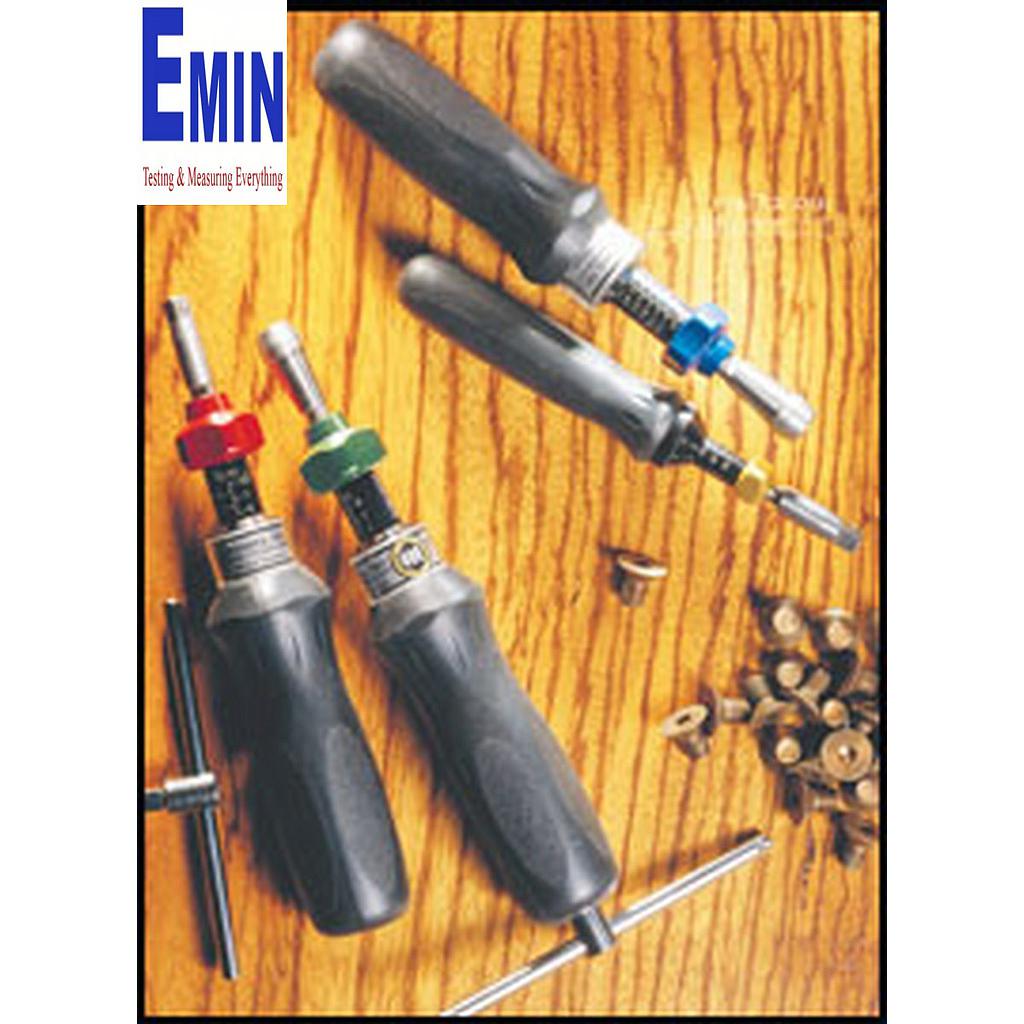
Torque screwdrivers are commonly selected for applications where a standard hand screwdriver does not provide enough control. This includes electrical assembly, panel building, instrument production, automotive sub-assembly, service work, and general industrial fastening tasks where specific torque values must be followed.
They are especially useful when working with smaller screws, threaded inserts, plastic housings, or assemblies that can be damaged by excessive force. In these cases, controlled fastening is not just about protecting the screw; it also helps preserve product integrity, reduce rework, and improve consistency between operators.
Preset and adjustable torque screwdriver options
One practical way to evaluate this category is to separate tools by how torque is set. Adjustable torque screwdrivers allow users to change the torque setting within a defined range, making them suitable for workshops, mixed-product assembly, and maintenance environments where torque requirements may change from one task to another.
Preset models are more suitable when a process uses the same torque repeatedly and requires tighter control over operator settings. In assembly environments with established work instructions, preset tools can help standardize fastening steps and reduce the chance of unauthorized adjustment during production.
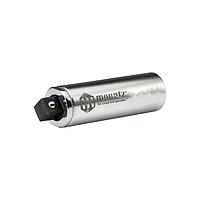
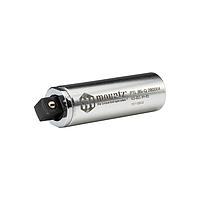
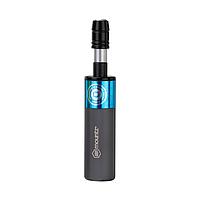
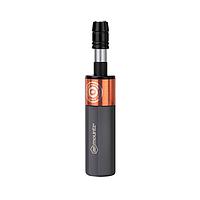
Examples in this category include the Mountz FGA-8, FGA-20, FGA-40, and FGA-80 adjustable torque screwdrivers, which cover different torque windows for a range of fastening needs. For more fixed-process applications, models such as the Mountz FG-40i and FG-125i preset torque screwdrivers illustrate the type of tool often chosen for repeatable production work.
Featured brands and product examples
Several established manufacturers are relevant in this segment, with Mountz appearing prominently for industrial torque control tools. The available examples show both adjustable and preset formats, with 1/4" female hex drive configurations that fit common assembly bits and accessories.
TOPTUL is also represented with models such as the ANCD0806 and ANCD081B hex drive torque screwdrivers. These products are useful references for buyers comparing compact hand tools for low-torque fastening, especially when looking at differences in capacity range, tool length, and intended assembly use.
Other manufacturers in the broader selection include Tohnichi, KANON, Matatakitoyo, and MultiTech. Brand choice often depends on the user’s required torque range, calibration practices, operator preference, and the level of process control expected in the application.
How to choose the right torque range
The first selection factor is the required torque range of the fastening task. A tool should match the target torque closely enough to support accuracy in real use, rather than operating constantly at the extreme low or high end of its capacity. This is important for both precision work and general industrial assembly.
Low-torque applications may involve electronics, connectors, covers, or lightweight components, while higher ranges may be more suitable for mechanical assemblies, enclosures, or service tasks requiring stronger clamping force. For example, a compact adjustable tool like the Mountz FGA-8 serves a very different purpose than an FGA-80, even though both belong to the same general category.
Drive format and ergonomics also matter. Many products listed here use a 1/4" hex drive, which is a practical standard for interchangeable bits. Buyers should also consider tool length, handling comfort, and whether the screwdriver will be used occasionally in maintenance work or repeatedly in a production environment.
Why torque control matters in assembly quality
A torque screwdriver is not only a hand tool; it is part of a broader quality assurance approach. Correct torque helps maintain proper clamp load, supports product durability, and reduces issues such as stripped threads, cracked housings, loose fasteners, or inconsistent assembly performance between units.
In regulated or specification-driven production, controlled torque can also support traceable work instructions and standardized assembly procedures. Even in less formal environments, replacing subjective hand tightening with a defined torque value often improves repeatability and lowers the risk of field failures caused by fastening errors.
For teams that build or service assemblies using related hand tools, it may also be useful to review complementary options such as hex wrench sets or socket wrench sets when the fastening process involves multiple tool types.
Considerations for industrial buyers
For B2B purchasing, the right product is usually determined by process fit rather than tool category alone. Buyers often compare torque range, preset versus adjustable configuration, operator use frequency, bit compatibility, and whether the tool will be assigned to a dedicated station or shared across maintenance and assembly teams.
It is also useful to think about workflow. In a production setting, one torque screwdriver may be assigned to a single fastening step, while in maintenance operations a wider adjustment range may be more practical. If the tool is part of a larger hand-tool setup, related categories such as repair kits can help support service and upkeep activities around the workstation.
Finding a suitable torque screwdriver for your application
This category is intended for buyers who need reliable hand tools for repeatable screw tightening rather than general-purpose fastening. The selection includes examples for fine torque work, mid-range industrial assembly, and preset process control, making it easier to compare tool styles against actual application requirements.
If your operation depends on repeatable fastening, choosing the right torque setting method, capacity range, and drive format will make a meaningful difference in daily use. Reviewing representative options from Mountz and TOPTUL is a practical starting point for identifying a torque screwdriver that fits your assembly process, maintenance task, or production standard.
Get exclusive volume discounts, bulk pricing updates, and new product alerts delivered directly to your inbox.
By subscribing, you agree to our Terms of Service and Privacy Policy.
Direct access to our certified experts