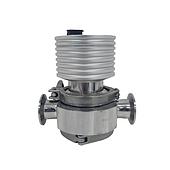
Maintaining visibility of solution concentration is an important part of chemical process control. Where process media, temperature, and corrosive conditions make routine checks difficult, a measurement approach installed directly in the process can help teams follow changes without relying solely on manual sampling. The CRN50/52/56 Inline Refractometer is designed for this type of concentration-monitoring role in environmental chemical applications.
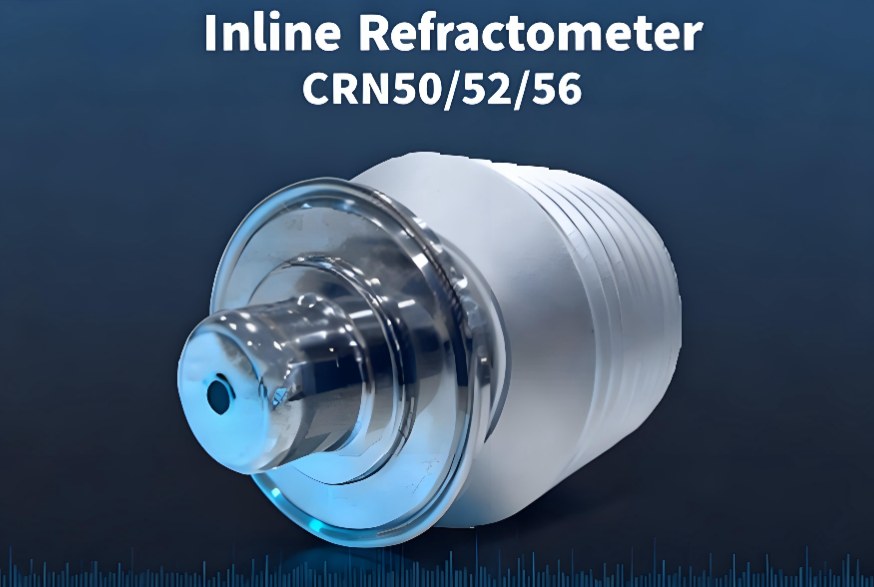
Inline concentration monitoring for chemical processes
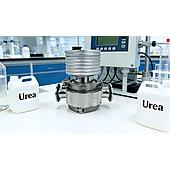
Manual sampling can introduce a gap between a change in the process and the moment a result is available. In contrast, an inline refractometer uses an optical detection principle to monitor solution concentration continuously at the measurement point. This supports a more immediate view of concentration behavior during production.
The CRN50/52/56 Inline Refractometer is positioned for harsh chemical operating environments, where accuracy and stable operation are key considerations. Rather than treating concentration as an occasional laboratory check, process teams can use continuously available measurement data as part of day-to-day production oversight.
Probe construction for corrosive media
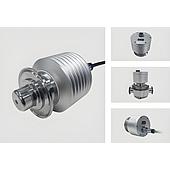
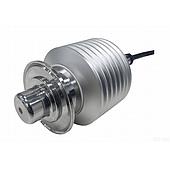
Materials are a central consideration when a measuring probe is exposed to acids, alkalis, solvents, or oxidizing agents. The probe section of the CRN50/52/56 Inline Refractometer is described as using 316L stainless steel. Its probe surface also has a PTFE coating intended to enhance corrosion resistance.
According to the supplied product information, the probe is designed to operate across a pH range of 1–14. Application suitability should still be assessed against the specific medium and operating conditions of each process. Concentration monitoring systems are most effective when their installation, process connection, and operating limits are considered before deployment.
Remote visibility of concentration data
Process information is most useful when operators can access it where decisions are made. The CRN50/52/56 Inline Refractometer includes remote monitoring capabilities that can transmit measurement information to a central control room through industrial Ethernet or a 4G wireless network.
The available information can include concentration data, temperature curves, and equipment operating status for individual monitoring points. This can give operating personnel a consolidated view of multiple points in the production process, whether they are reviewing data on a computer or a mobile device.
Alarm support for process response
When a measured concentration moves beyond a preset range, the system is described as providing sound, light, and SMS alarm notifications. Such alerts can help draw attention to an out-of-range condition so personnel can investigate and respond according to their operating procedures. Preset ranges and response actions should be defined by the process owner for the relevant application.
Maintenance considerations
Long-term usability depends not only on measurement capability but also on how practical equipment is to service. The CRN50/52/56 Inline Refractometer is described as having a modular structure, with key components intended to be replaceable independently. This approach can support more focused maintenance work when service is required.
The supplied information also identifies a self-cleaning function intended to limit scale formation on the probe surface and reduce the need for manual cleaning. In processes where deposits may occur, cleaning requirements should be reviewed as part of the overall maintenance plan.
Using historical data to understand process trends
Beyond real-time display, the system is described as storing and analyzing historical measurement data. Trend charts and bar charts can help operators review concentration changes over time and identify patterns that may not be obvious from a single reading.
The CRN50/52/56 Inline Refractometer also includes process parameter optimization suggestions based on historical data and algorithm models, according to the source information. These suggestions can be used as decision support, while process teams retain responsibility for validating adjustments within their own operating requirements.
A practical role in digital chemical operations
For environmental chemical production, an inline refractometer can combine concentration measurement, remote data access, alarm support, and service-oriented design in one monitoring approach. The CRN50/52/56 Inline Refractometer is intended to help teams observe concentration changes in demanding environments while organizing process information for operational review.
By connecting measurement points with central monitoring practices, chemical facilities can build a clearer foundation for routine control and process analysis. Final equipment selection should be based on the actual process medium, installation conditions, required communications method, and maintenance practices.