Fuse Clips
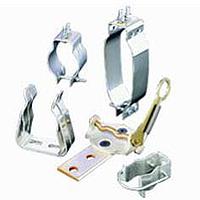
Reliable overcurrent protection depends on more than the fuse itself. In many panels, power supplies, control boards, and serviceable assemblies, the connection method is just as important as the protective element. Fuse clips provide a simple and effective way to mount and retain cartridge or specialty fuses while supporting electrical contact, service access, and replacement during maintenance.
On this page, you can explore fuse clip options used in industrial and electronic applications where space, current rating, mounting style, and fuse format all matter. The category is especially relevant when you need a compact retention solution for PCB designs, panel layouts, or equipment repairs without moving to a full enclosed holder.
Where fuse clips fit in a protection design
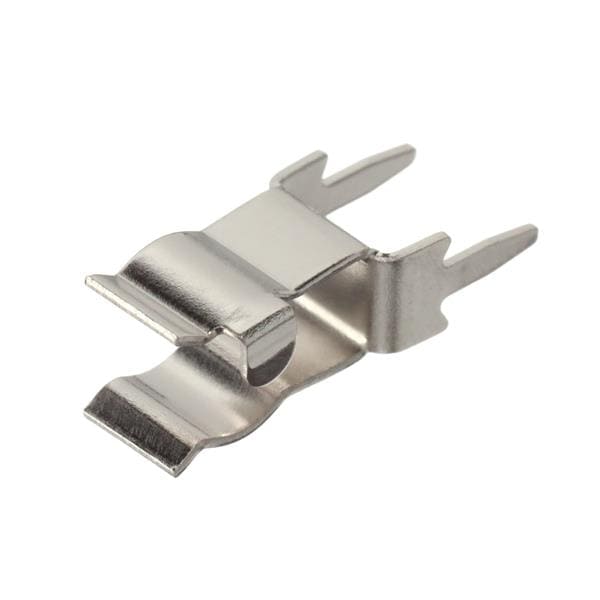
A fuse clip is typically used to secure a fuse mechanically while also creating the conductive path between the fuse body and the circuit. Compared with a complete fuse holder, clips are often chosen when designers want lower profile installation, easier board integration, or a more open service arrangement.
This makes them common in control electronics, instrumentation, embedded power circuits, and certain OEM assemblies. Depending on the design, the clip may be intended for through-hole mounting, screw mounting, rivet installation, or panel-related integration, with the selected format matching the fuse size and expected load.
Common selection factors for fuse clips
The first point to verify is fuse size compatibility. Fuse clips are not universal, and the contact geometry must match the diameter or class of fuse being installed. In this category, examples include clips for 5 mm, 9/32 in, 13/32 in, and 13/16 in fuse formats, along with accessories related to Class H, Class R, BS88, and other fuse groups.
The next key factor is current and voltage suitability. Even when the fuse rating is known, the clip or accessory still needs to support the intended electrical load and installation environment. Material choice, plating, and contact pressure all influence long-term performance, especially in applications exposed to vibration, thermal cycling, or repeated fuse replacement.
Mounting method also affects selection. Through-hole clips are often used on boards, while screw, rivet, or panel styles may be better suited to service panels and equipment retrofits. If your assembly needs more than the clip itself, related items such as fuse holder accessories can help complete the installation.
Product types included in this category
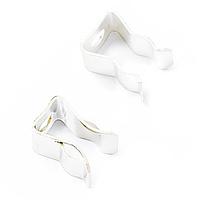
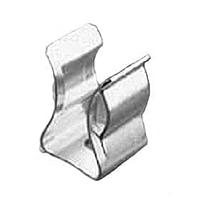
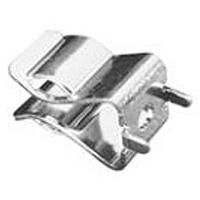
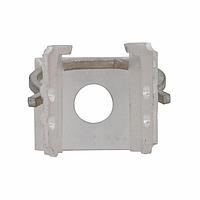
This category is centered on fuse clip hardware, but it also touches adjacent accessories that support fuse installation and adaptation. A compact example is the Littelfuse 00300210H Fuse Clip, a through-hole clip format suitable for smaller fuse integration where board space and serviceability need to be balanced.
For heavier-duty retention, the Littelfuse 01250004H heavy duty fuse clip illustrates the kind of construction used when stronger mechanical hold and robust contact surfaces are required. The Littelfuse 01290001Z NEC rivet/eyelet clip is another example of how mounting style can change based on the equipment design and assembly process.
Some products listed alongside clips are not clips in the strict sense, but they are part of the same fuse mounting ecosystem. Fuse reducers such as Littelfuse LRU663R or Eaton Bussmann NO.226-R and NO.216-R help adapt fuse fitment within specific class requirements. Items such as the Eaton Bussmann TI250 trip indicator or JN2 circuit jumper support visibility or circuit configuration in related protection setups.
Material, contact finish, and mechanical design considerations
In practical use, clip performance depends heavily on contact material and surface finish. Copper alloy, phosphor bronze, spring brass, and beryllium copper are all used in fuse retention components because they balance conductivity, spring force, and durability. Nickel- or silver-plated contacts may be selected where corrosion resistance or improved contact behavior is important.
Mechanical retention is just as important as conductivity. A clip must hold the fuse securely enough to prevent intermittent contact, but still allow replacement without damaging the component or surrounding assembly. In serviceable equipment, consistent insertion and removal force can make maintenance faster and reduce the chance of field errors.
For OEMs and panel builders, these details influence reliability over the full life of the system. If the application involves repeated replacement, environmental stress, or higher fault-current duty, it is worth reviewing whether a clip, a holder, or a broader protection assembly is the best fit.
Representative manufacturers in this category
Several recognized suppliers appear across fuse clip and related circuit protection hardware. Littelfuse is well represented in this category with multiple clip styles and fuse reduction accessories covering different fuse dimensions and mounting approaches. This makes it a useful reference point when comparing compact PCB clips with heavier-duty installation options.
Eaton Bussmann is another important name for fuse-related accessories, including clip formats, trip indication components, jumpers, and reducer solutions associated with industrial fuse systems. Depending on the broader protection architecture, buyers may also compare solutions from other established manufacturers shown within the platform’s circuit protection range.
When to choose fuse clips instead of other protection hardware
Fuse clips are often the right choice when the fuse needs to remain accessible, the assembly needs to stay compact, or the design already provides adequate insulation and mechanical protection at the system level. They are especially useful in PCB assemblies, open-frame electronics, and serviceable designs where a full enclosed holder would add unnecessary bulk.
That said, clips are not always the preferred answer. If the application requires additional finger-safe protection, environmental shielding, or more structured field replacement, a holder-based solution may be more appropriate. For broader maintenance planning, some users also review circuit protection kits when standardizing spare parts and replacement components across multiple systems.
Practical buying guidance for engineers and MRO teams
Before ordering, confirm the exact fuse family or physical size, the mounting method, and the electrical demands of the circuit. It is also useful to review whether the part is a standalone clip, a reducer, an indicator, or another accessory within the same protection chain. This avoids mismatches during assembly or replacement.
For maintenance and repair teams, standardization can simplify inventory and reduce downtime. For design engineers, early attention to clip geometry and access spacing can prevent layout conflicts later in the project. Whether the need is a small through-hole fuse clip or a panel-oriented accessory for larger fuse classes, choosing the right retention hardware supports safer, more maintainable circuit protection.
Fuse clips may be small components, but they play a meaningful role in dependable fuse installation and serviceability. By comparing fuse size compatibility, mounting style, contact construction, and related accessories, you can narrow the category to parts that fit both the electrical requirement and the mechanical design of the equipment.
Get exclusive volume discounts, bulk pricing updates, and new product alerts delivered directly to your inbox.
By subscribing, you agree to our Terms of Service and Privacy Policy.
Direct access to our certified experts