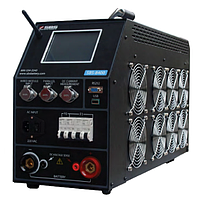
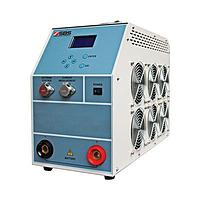
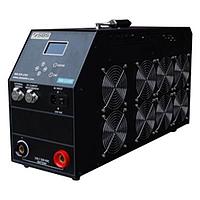
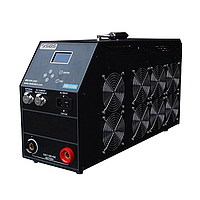
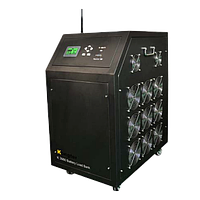
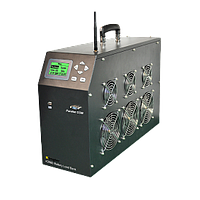
Battery Discharger
Reliable battery maintenance depends on more than a simple voltage check. In telecom backup systems, power utilities, UPS installations, and industrial DC systems, controlled discharge testing helps reveal how a battery behaves under load and whether it can still deliver usable capacity when it matters. That is where a Battery Discharger becomes an essential part of the test workflow.
This category focuses on equipment used to discharge batteries in a controlled and measurable way for condition assessment, capacity verification, and maintenance planning. It is especially relevant for technicians and engineers who need repeatable test results, safe operation, and clear performance data for battery strings, stationary battery banks, and related DC systems.
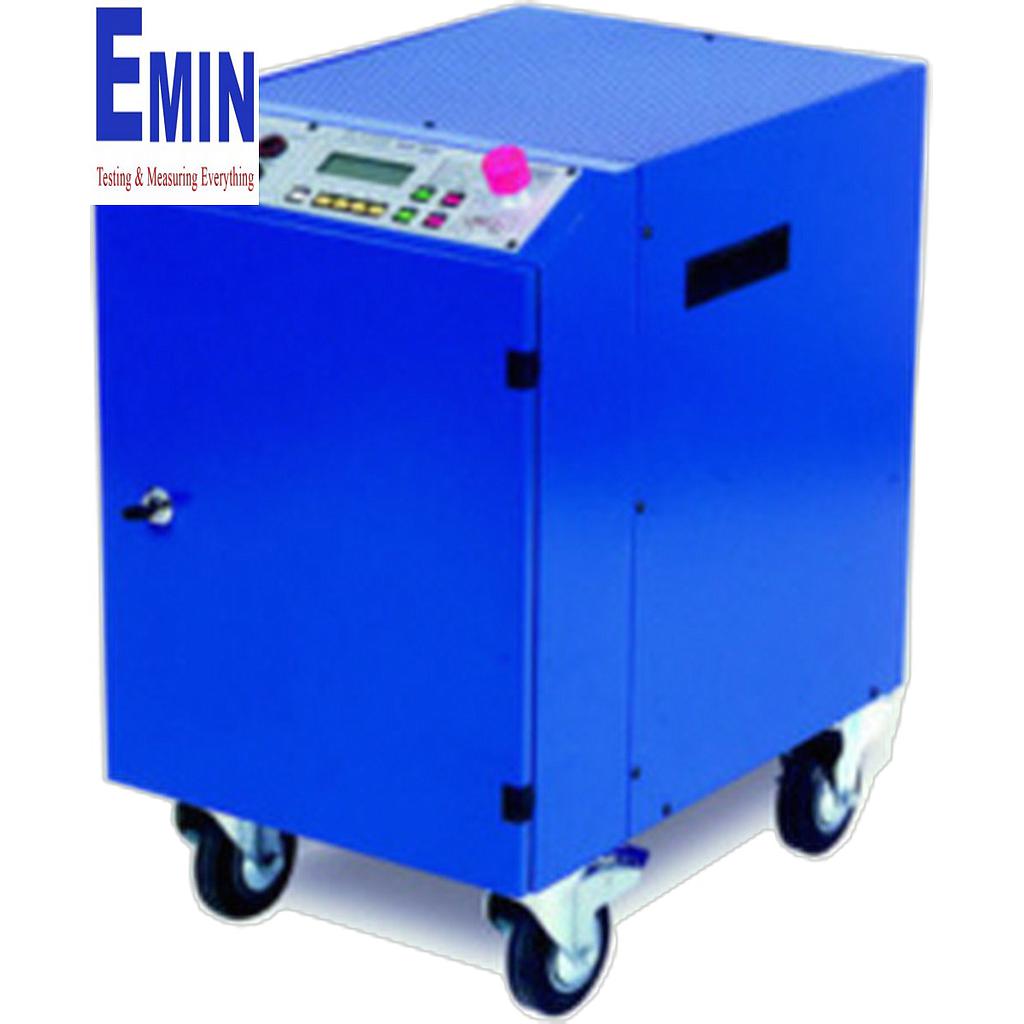
Why battery discharge testing matters
A battery may appear healthy at rest but still fail under real operating conditions. Controlled discharge testing provides a more realistic view of battery performance by applying a load and tracking how voltage, current, time, and capacity behave throughout the test cycle.
For maintenance teams, this process supports better decisions on replacement timing, preventive service, and system reliability. It is commonly used in backup power environments where a battery bank must perform on demand, not just pass a surface-level inspection.
What to expect from battery discharger equipment
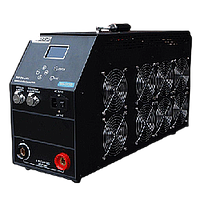
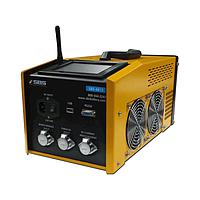
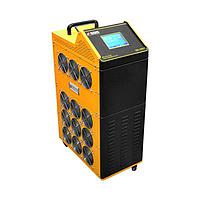
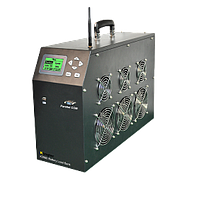
Battery dischargers are designed to apply a defined load to a battery or battery string while capturing key electrical values during the test. Depending on the application, users may need constant current, constant resistance, or constant power discharge modes to match the test method and battery type.
In practical use, engineers typically look for a suitable DC voltage range, discharge current capability, measurement resolution, and safe operation across varying site conditions. For field and maintenance work, usability also matters: compact construction, readable interfaces, and clear test data can significantly improve the efficiency of routine battery service.
Examples from this category
Several solutions in this category illustrate how battery discharge equipment can be matched to different voltage and load requirements. From DV Power, the BLU series is aimed at controlled battery load testing across a range of capacities and system voltages.
For example, the DV Power BLU100L Battery Load Units are suitable where a compact unit and moderate discharge capability are required. For higher current demand, models such as the DV Power BLU200A and DV Power BLU340A extend the available load range, while the DV Power BLU360V supports applications involving higher DC voltage levels. These products are part of a broader test ecosystem rather than standalone battery accessories, which distinguishes them from replacement batteries or power tool battery packs.
Supporting modules and monitoring in a discharge test setup
In battery testing, the discharger is often only one part of the overall setup. Supporting modules can improve test control, safety, and post-test handling. The DV Power ZVD80, ZVD120, and ZVD1350 Zero Voltage Discharge Module models are examples of accessories used to discharge residual voltage in a controlled manner after testing, which can be important in specific maintenance procedures.
For organizations that need continuous supervision in addition to periodic discharge testing, a system such as the DV Power MB100 Battery Monitoring System can complement the workflow. If your application requires broader supervision rather than load testing alone, you may also want to review battery monitoring equipment for ongoing visibility into battery string performance.
How to choose the right battery discharger
Selecting the right unit starts with the battery system itself. The first considerations are the battery or string voltage, the expected discharge current, and whether your procedure requires capacity testing over time or shorter diagnostic load tests. These factors directly affect the load range and operating envelope the instrument must support.
It is also important to consider the desired test method. Some maintenance programs prioritize constant current discharge for standardized capacity checks, while others benefit from constant power or resistance modes that better reflect the real load profile of the installation. Data visibility, communication options, and portability should also be matched to how your team actually works in the field or workshop.
Where battery diagnostics require additional condition indicators before or after a discharge test, related tools can help build a more complete picture. For example, battery impedance testers are often used to evaluate internal condition trends, while battery conductance testers can support fast maintenance screening in some service routines.
Understanding the product mix in this category
Not every item associated with batteries serves the same purpose. This category is centered on battery discharge testing equipment and related modules used in professional maintenance and diagnostic workflows. Products such as the DV Power BLU load units and ZVD modules directly support controlled discharge processes.
Other listed products from brands such as KERN or TOPTUL, including rechargeable or Li-ion batteries, belong to a different role in the wider product catalog. They may be useful as accessories or replacement power sources in their own equipment ecosystems, but they are not substitutes for dedicated battery discharger instruments used in industrial testing applications.
Typical application environments
Battery dischargers are commonly used wherever DC backup systems must be validated with more than a simple inspection. Typical environments include substations, UPS rooms, telecom facilities, renewable energy storage support systems, and industrial plants with critical standby power requirements.
In these settings, the goal is usually the same: verify whether the battery can sustain the required load for the intended duration. A properly selected discharge testing solution helps maintenance teams document battery behavior, compare results over time, and reduce uncertainty in asset management decisions.
Building a practical battery test workflow
For many organizations, discharge testing works best when it is combined with other battery test methods rather than used in isolation. A practical program may include periodic monitoring, impedance or conductance checks, and scheduled discharge tests depending on the criticality of the installation and the maintenance standard being followed.
If your setup also requires controlled DC sources for simulation or test preparation, related categories such as battery simulating DC power supply can be relevant. Looking at the full testing workflow often leads to a better equipment choice than selecting a discharger based on current range alone.
Choosing a battery discharger is ultimately about matching the test instrument to the battery system, the maintenance objective, and the level of data your team needs. Whether you are planning routine capacity checks or building a broader battery diagnostic process, this category provides a focused starting point for selecting professional discharge and support equipment with the right electrical range and application fit.
Get exclusive volume discounts, bulk pricing updates, and new product alerts delivered directly to your inbox.
By subscribing, you agree to our Terms of Service and Privacy Policy.
Direct access to our certified experts