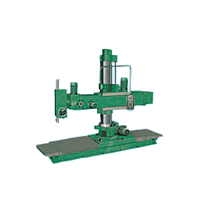
Drilling Machine
When a project requires precise holes in concrete, asphalt, metal, or other engineering materials, the right drilling setup has a direct impact on speed, accuracy, and overall job quality. In industrial construction, maintenance, fabrication, and site testing, equipment selection is rarely just about making a hole; it is about matching drilling capacity, material type, mobility, and duty cycle to the real working environment.
This Drilling Machine category brings together equipment used for core drilling, pavement sampling, workshop drilling, and compatible drilling accessories. It is suitable for buyers looking for practical options for road work, civil engineering, general industrial use, and supporting applications where stable drilling performance matters.
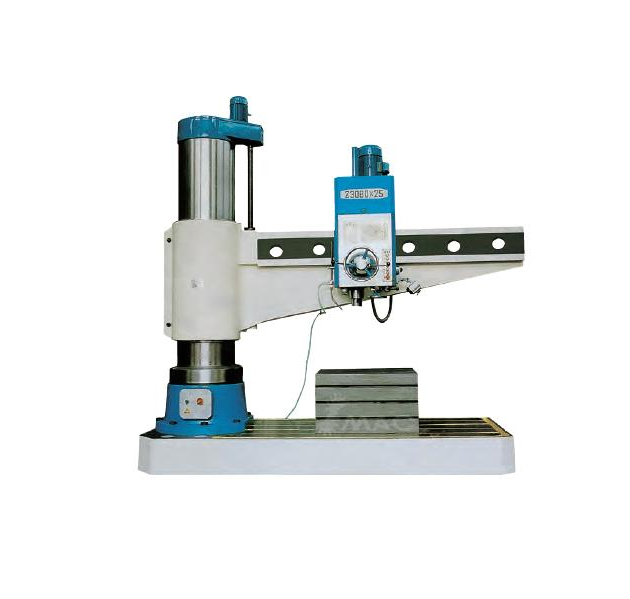
Drilling equipment for construction, road work, and industrial workshops
Not all drilling machines serve the same purpose. In this category, the product mix ranges from portable and fixed-position drilling solutions to core drilling machines used for extracting samples from concrete and asphalt surfaces. This makes the category relevant for contractors, infrastructure teams, material testing units, and maintenance departments that need reliable drilling capability in different conditions.
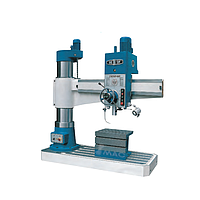
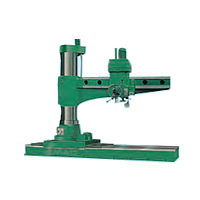
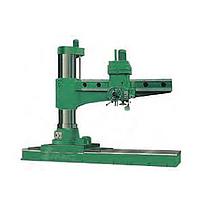
For example, pavement and concrete coring machines are commonly selected for road inspection, bridge work, airport projects, and building construction. In workshop environments, smaller drilling machines and related tooling support repetitive fabrication tasks where spindle control, drill size range, and machine stability are key considerations.
Typical product types found in this category
A large share of demand in this category comes from machines designed for coring and sample extraction. Models such as the Samyon HZ15 Concrete Core Drilling Machine, HZ20 Concrete Core Drilling Machine, and HZ-20 Multi-functional Core Drilling Machine illustrate applications where operators need to drill into concrete or asphalt surfaces for inspection, testing, or cutting-related workflows.
There are also electric diamond core drill machines with different drilling capacities, including the Samyon 200F, Samyon 250, and Samyon 300. These examples show how buyers can compare equipment by maximum drilling diameter, power input, operating speed, and portability. For more compact bench or workshop tasks, equipment such as the YL Yaliang YL-200 Drilling Machine represents a different use case focused on smaller diameter drilling and fixed workstation operation.
In addition to the main machine itself, accessories also play an important role. Items such as the BOSCH 2608572213 Drill Chuck with SDS Plus and BOSCH HSS-G drill bits are part of the broader drilling ecosystem, helping users adapt a drill to a certain shank interface or match the cutting tool to metal drilling requirements.
How to choose the right drilling machine
The first point to evaluate is the material being drilled. Concrete, reinforced concrete, asphalt, and metal each place different demands on the machine, motor, spindle, and drilling accessory. A diamond core drill is generally considered when the priority is controlled coring in hard building materials, while a workshop drilling machine may be better suited to lighter fabrication and small-part processing.
Next, consider the required drilling diameter and depth. For site coring work, the difference between a machine rated around Φ150, Φ200, or larger can significantly affect which jobs can be completed without changing equipment. If sample extraction is the goal, matching core diameter to testing requirements is often more important than simply choosing the largest machine available.
Power supply and mobility also matter. Some jobs benefit from electric units where stable power is available, while others may require engine-driven or highly portable configurations for field operation. Buyers should also review feed method, machine weight, and mounting stability, especially when drilling on-site surfaces where alignment and operator control influence final core quality.
Representative manufacturers and compatibility considerations
This category includes products associated with established industrial brands such as BOSCH and Samyon, along with workshop-focused options from YL Yaliang. Depending on the application, brand choice may be driven by tooling compatibility, preferred operating format, or the need to standardize equipment across maintenance and project teams.
For accessory-driven purchasing, BOSCH examples in this category are useful for buyers who need drill chucks or HSS-G drill bits to support day-to-day drilling work. For construction and coring applications, Samyon machines provide a clearer reference point for pavement, concrete, and asphalt sampling tasks. The practical approach is to assess machine type first, then review compatible accessories and operating requirements rather than selecting only by brand familiarity.
Common applications across industries
Drilling machines in this category are relevant to several B2B use cases. In civil engineering and infrastructure work, coring machines are used to extract samples from roads, bridges, airports, ports, and dam-related concrete structures. These samples can support quality checks, repair planning, and inspection procedures where physical material verification is needed.
In manufacturing and maintenance workshops, compact drilling machines are often used for metalworking, fixture preparation, part modification, and light production tasks. Accessory products such as HSS drill bits and SDS Plus drill chuck components are especially useful where users need to maintain flexibility between machine platforms and drilling operations.
Some projects may also involve adjacent supporting systems. For example, depending on the working environment, teams may review options for industrial water coolers and chillers in equipment-intensive settings, or explore compressed air treatment equipment where pneumatic tools and broader plant utility systems are part of the production line.
Why accessories and drilling method matter as much as the machine
A drilling machine performs best when the machine, chuck, and cutting tool are matched correctly. This is especially true in industrial environments where operators shift between materials and hole sizes. A suitable chuck interface improves tool holding, while the right drill bit geometry helps maintain hole quality, reduce wear, and support more consistent drilling output.
That is why products such as SDS Plus drill chucks and HSS-G drill bits should not be viewed as minor add-ons. In many workflows, these components directly influence usability, compatibility, and replacement planning. For procurement teams, considering accessories early can simplify maintenance inventory and reduce downtime caused by missing or mismatched tooling.
What buyers should compare before placing an order
Before selecting a machine, it is useful to compare several practical criteria: drilling diameter range, drilling depth, motor power, voltage, operating speed, machine weight, and intended material. For workshop machines, spindle travel, table configuration, and small-diameter drilling capability may be more important than large coring capacity. For field units, portability and on-site handling usually become higher priorities.
It is also worth reviewing whether the machine will be used for repetitive production work, occasional maintenance, or specialized testing. A machine intended for pavement coring has a different role from a bench drilling machine used in a controlled indoor setup. Defining the working method first helps narrow the category faster and leads to a more suitable long-term purchase.
Finding the right fit for your drilling application
The most effective drilling solution depends on the balance between jobsite conditions, material hardness, required hole size, and expected operating frequency. This category is structured to support that comparison, from concrete and asphalt coring machines to workshop drilling equipment and essential accessories.
If you are sourcing for road inspection, civil construction, fabrication, or maintenance, reviewing the machine type and accessory compatibility together will usually lead to a better decision than focusing on a single specification alone. A well-matched drilling setup improves control, supports cleaner results, and helps teams work more efficiently across both site and workshop environments.
Get exclusive volume discounts, bulk pricing updates, and new product alerts delivered directly to your inbox.
By subscribing, you agree to our Terms of Service and Privacy Policy.
Direct access to our certified experts