Torque arm
When torque-controlled assembly needs to stay accurate over long shifts, tool support becomes just as important as the screwdriver or wrench itself. A well-matched torque arm helps stabilize the fastening process, reduce operator fatigue, and improve repeatability in production cells where consistent torque application matters.
On this page, you can explore torque arm solutions used to support assembly tools in manual and semi-controlled tightening work. The range includes articulated and telescoping designs for different torque levels, work envelopes, and mounting requirements, making it easier to match the arm to the tool and workstation layout.
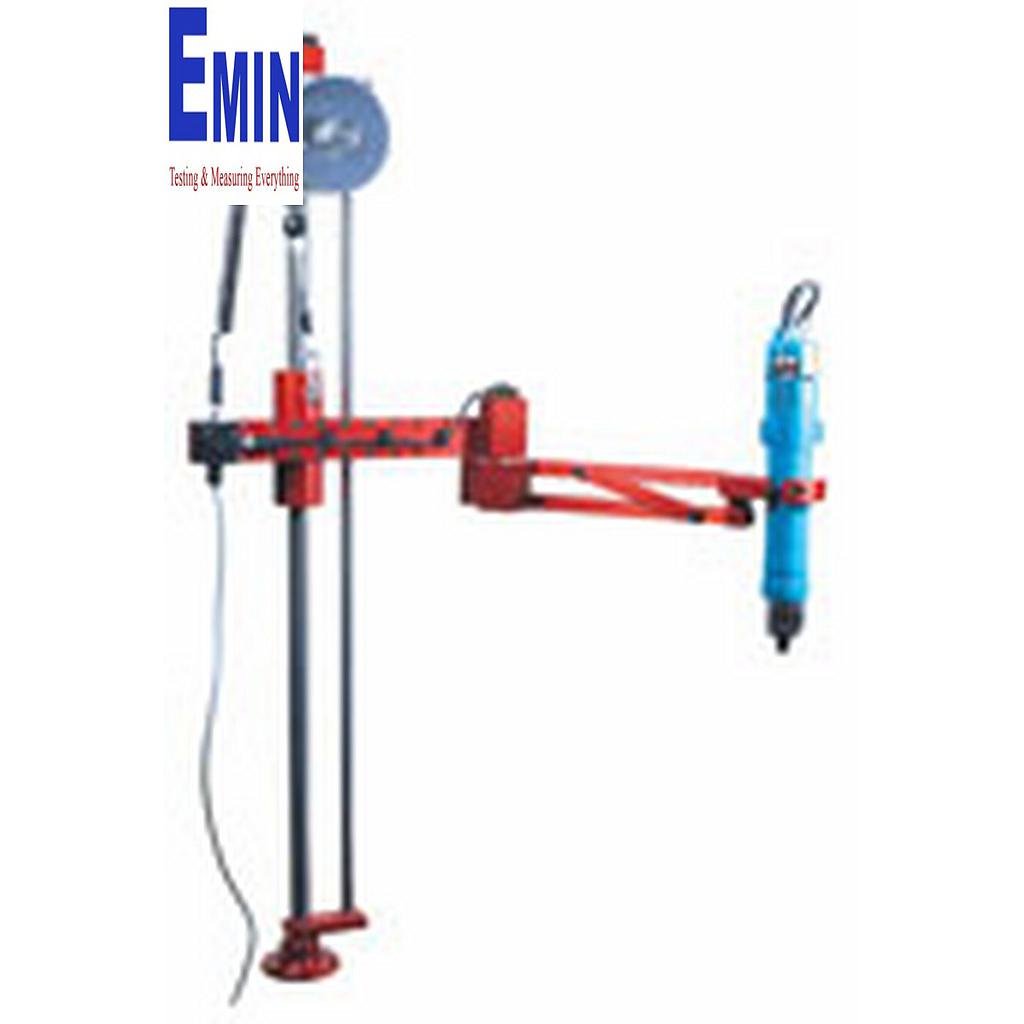
Why torque arms matter in assembly operations
In many fastening applications, the reaction force generated during tightening can make handheld tools harder to control. A torque arm is designed to absorb or guide that reaction so the operator can position the tool more easily and maintain a more stable working posture.
This becomes especially valuable in repetitive assembly, bench stations, and production environments where ergonomics and process consistency are both priorities. By helping manage tool weight and torque reaction, these systems can support smoother operation and reduce unnecessary strain during repetitive tasks.
Typical torque arm configurations in this category
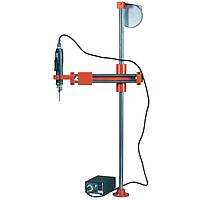
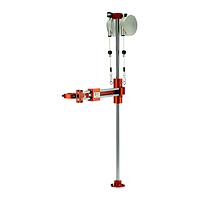
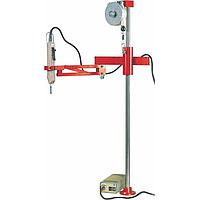
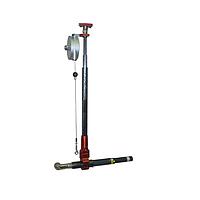
The products highlighted in this category show two common approaches: articulated torque arms and telescoping carbon torque arms. Articulated models are useful where the tool needs guided movement across a defined range of angles and reach, while telescoping versions are suited to larger work areas that require greater extension and flexibility.
For example, the Mountz ATS series includes models such as the ATS-15, ATS-25, ATS-40, and ATS-80, covering a progression of torque capacities for lighter to mid-range assembly tasks. For higher torque demands and longer reach, the Mountz CTA series includes options such as the CTA-80-2000, CTA-150-2000, and CTA-220-2500, which are intended for applications where a broader working envelope is needed.
Some related components in the broader assembly ecosystem may also include drive heads and fastening accessories. As an example, the Tohnichi DH19D Fixed Square Drive Head is not a torque arm itself, but it illustrates how support equipment and tool interface components often work together in torque-controlled assembly setups.
How to choose the right torque arm
The most practical starting point is the required torque capacity. The arm should be selected to suit the reaction force created by the assembly tool and the fastening application. In this category, available examples range from compact support options around 15 N.m up to larger telescoping models rated to 220 N.m.
Reach is the next key factor. Workstations with confined movement may be better served by shorter articulated arms, while larger fixtures or broader product assemblies may benefit from telescoping models with extended minimum and maximum reach. It is also important to consider the tool body diameter and supported tool weight so the arm can be integrated properly without compromising movement or balance.
Mounting position, operator movement, and part orientation should also be reviewed before purchase. If the tool must access multiple fastening points from different angles, an articulated design may offer better path control. If the tool must cover a wide area from one mounting point, a telescoping arm can be a more efficient solution.
Examples from Mountz and Tohnichi
Mountz is one of the most relevant brands in this category, with several torque arm models suited to industrial fastening support. The ATS articulated series is geared toward controlled movement in smaller work zones, while the CTA telescoping carbon series supports longer reach and higher torque applications. This makes the brand especially relevant for assembly stations where ergonomic support and process stability are part of the requirement.
Tohnichi appears here through a fixed square drive head example, which can be useful for readers evaluating the broader tooling ecosystem around torque management. While a drive head serves a different function from a support arm, it highlights the importance of selecting compatible tooling components when building a complete fastening setup.
Where torque arms are commonly used
Torque arms are commonly found in manufacturing environments where operators perform repeated tightening cycles throughout the day. Typical use cases include electronics assembly, mechanical sub-assembly, general industrial production, and workstation-based fastening where reaction control improves both handling and consistency.
They are also useful when the tool itself is relatively heavy or when access points require controlled motion rather than freehand positioning. In these situations, the arm acts as a support structure that helps maintain alignment and reduces the effort needed to hold the tool steady during fastening.
Related assembly tools and workflow considerations
A torque arm usually works best as part of a broader assembly workflow rather than as a standalone purchase decision. Depending on the application, buyers may also review supporting hand tools and service items such as socket wrench sets, hex wrench sets, or repair kits for tool maintenance and station readiness.
Looking at the full workstation context can help prevent mismatches between the support arm, the fastening tool, and the service requirements of the line. This is especially helpful for B2B buyers who need equipment that fits existing production processes instead of evaluating each item in isolation.
What to review before ordering
Before selecting a model, confirm the application torque range, tool weight, body diameter, and required working radius. These factors affect not only fit but also usability over time, particularly in repetitive assembly environments where operator comfort and repeatable positioning are important.
It is also useful to check whether the fastening task is concentrated at one fixture or distributed across a larger area. That simple distinction often determines whether an articulated support arm or a telescoping arm is the better choice. If your process includes interchangeable tooling or accessory heads, compatibility across the fastening setup should be reviewed at the same time.
Choosing the right torque arm is ultimately about balancing torque reaction control, reach, ergonomics, and workstation layout. By comparing support style, tool fit, and application range, buyers can narrow the category to solutions that make fastening work more consistent and easier to manage in day-to-day production.
Get exclusive volume discounts, bulk pricing updates, and new product alerts delivered directly to your inbox.
By subscribing, you agree to our Terms of Service and Privacy Policy.
Direct access to our certified experts