Electrochemistry equipment
Precise current, voltage, and charge measurements are essential in electrochemical research, battery studies, corrosion analysis, sensor development, and materials characterization. In these workflows, the quality of the instrument setup directly affects data reliability, whether the goal is to resolve ultra-low currents, simulate reaction mechanisms, or build a stable spectroelectrochemical test arrangement.
Electrochemistry equipment in this category supports a range of laboratory and applied testing needs, from sensitive electrometer measurements to electrochemical education, simulation, and accessory-level integration for advanced experimental systems. The selection highlighted here is especially relevant for engineers, researchers, universities, and industrial labs that need dependable tools for both routine measurements and more specialized electrochemical methods.
Where electrochemistry equipment fits in a measurement workflow
Electrochemical testing is rarely based on a single device alone. A complete setup often combines a measuring instrument, cell hardware, electrodes, cables, software, and in some cases optical or spectroscopic interfaces. That is why this category includes not only core measurement instruments, but also supporting kits and accessories that help build a usable laboratory system.
For applications involving very small signals, high input impedance, or charge-sensitive measurements, an electrometer can be a critical part of the workflow. In related characterization environments, users may also compare electrochemical setups with SMU semiconductor test systems when they need controlled sourcing and measurement for material and device evaluation.
Core instrument types in this category
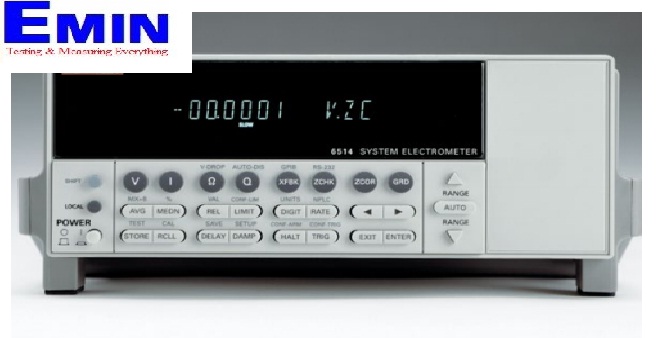
One of the clearest examples of a high-sensitivity instrument in this range is the KEITHLEY 6514 Programmable Electrometer. Instruments of this type are commonly used when measuring extremely low current or charge signals that standard general-purpose meters may not handle well. In electrochemistry, that matters for leakage analysis, electrode behavior studies, insulation-related measurements, and research tasks where signal integrity is critical.
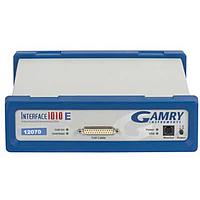
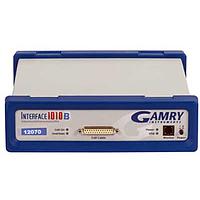
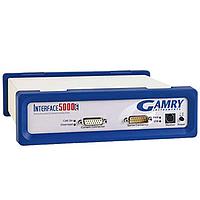
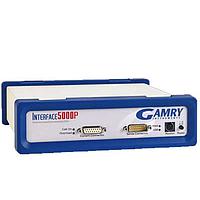
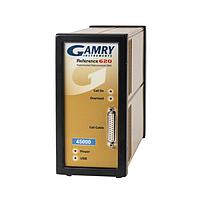
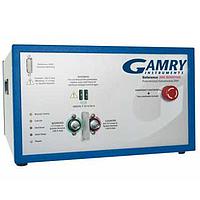
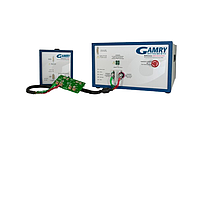
For broader electrochemical experimentation, Gamry Instruments is strongly represented in this category through teaching tools, simulation software, spectroelectrochemical cell kits, and system accessories. This reflects a practical reality in electrochemical labs: successful testing depends not only on the main analyzer, but also on the supporting ecosystem around it.
Software and teaching tools for method development
Electrochemistry is both an experimental and analytical discipline. Before running complex studies in the lab, many teams need a way to understand mechanisms, compare expected responses, or train students and new users in electrochemical fundamentals. That is where products such as the GAMRY Laboratory Course in Electrochemistry eChem Teaching Kit and the GAMRY DigiElch Electrochemical Simulation Software become relevant.
A teaching kit is useful when building structured laboratory exercises, especially in academic or training environments where experiments must be modular and repeatable. Simulation software, meanwhile, helps users interpret current response, diffusion behavior, IR drop, double-layer effects, and reaction pathways without relying only on trial-and-error in the laboratory. For engineering teams, this can improve method planning and shorten development cycles.
Spectro and photo electrochemistry accessories
Some electrochemical experiments go beyond electrical response alone and need optical observation during the reaction. In these cases, spectroelectrochemistry and photo-electrochemistry accessories become important. This category includes examples such as the GAMRY UV-Vis Cuvette Cell Kit, the GAMRY Raman Cuvette Cell Kit, the GAMRY Raman Glass Cell Kit, and the GAMRY Dye Solar Cell Testing IMPS / IMVS solution.
These products are designed to support experiments where electrochemical changes are observed alongside UV-Vis or Raman measurements, or where photoactive devices such as dye solar cells are characterized under controlled conditions. Rather than serving as stand-alone meters, these kits play a key role in the test cell environment by helping researchers connect electrodes, optical paths, and electrochemical instrumentation in a consistent way.
Why cables and cell connections matter more than many users expect
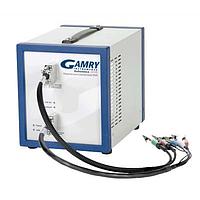
In electrochemical measurement, signal quality is influenced not only by the main instrument but also by the physical connection between the instrument and the cell. Cable length, connection stability, shielding, and compatibility with the test configuration can all affect noise, impedance behavior, and overall repeatability. That is why this category includes dedicated cable assemblies such as GAMRY Reference 620/600+/600 cables, GAMRY Interface 5000 cable kits, GAMRY Interface 1010/1000 cables, and GAMRY Reference 3000/3000AE cable options.
These accessory products are particularly important in laboratories that reconfigure test stations frequently or run multiple electrochemical platforms in parallel. Choosing the right cable set helps maintain proper connection geometry and supports consistent measurements across different experiments. For complementary electrical checks around the lab bench, users may also rely on a digital multimeter for general verification and troubleshooting.
How to choose electrochemistry equipment for your application
The best selection process starts with the measurement objective. If the priority is ultra-low current or charge-sensitive detection, an electrometer-based solution may be the right starting point. If the goal is electrochemical education, structured experiment kits can be more useful than a broad research platform. For users working in advanced analytical environments, software and cell kits may be just as important as the main instrument.
It also helps to think in terms of the full test chain: sample type, electrode arrangement, required sensitivity, optical integration, cable length, and data interpretation needs. Laboratories involved in materials and device characterization often review electrochemistry tools alongside KEITHLEY instruments and other precision measurement platforms to match the test method to the signal level and experimental setup.
Typical users and application environments
This category is relevant to universities, R&D centers, industrial laboratories, and technical training institutions. Common use cases include electrochemical education, sensor research, spectroelectrochemical studies, photovoltaic and dye solar cell testing, and high-sensitivity current or charge measurement in controlled laboratory environments.
It is also suitable for teams that need to expand an existing electrochemical bench with compatible accessories rather than replace the entire system. In many cases, adding the right cell kit, simulation package, or cable assembly is the most practical way to improve workflow efficiency and measurement consistency.
Building a more complete and reliable setup
Electrochemical performance depends on more than headline instrument specifications. A robust setup combines measurement sensitivity, appropriate cell hardware, stable interconnection, and software that helps users interpret results correctly. This category brings those elements together in a way that supports both foundational lab work and more specialized research tasks.
Whether you are selecting an electrometer, exploring teaching and simulation tools, or looking for spectroelectrochemical accessories and compatible cable kits, the right choice should align with your method, sample environment, and required measurement quality. Reviewing the complete system context will usually lead to a better long-term solution than choosing a device in isolation.
Get exclusive volume discounts, bulk pricing updates, and new product alerts delivered directly to your inbox.
By subscribing, you agree to our Terms of Service and Privacy Policy.
Direct access to our certified experts