Cable & Antenna analyzer
Reliable RF links and structured cabling both depend on one basic condition: the transmission path has to be healthy. When installers, maintenance teams, and telecom engineers need to verify feed lines, antennas, connectors, or copper cabling, a Cable & Antenna analyzer helps reveal mismatch, loss, distance-to-fault behavior, and certification issues before they turn into downtime.
This category brings together handheld and field-ready instruments used in telecom, broadcast, wireless infrastructure, radio systems, and network cabling work. Depending on the test method and frequency range, these analyzers support tasks such as SWR and return loss checks, cable loss measurement, DTF troubleshooting, and copper cable certification for data networks.
Where cable and antenna analyzers are used
In practical field work, engineers rarely troubleshoot only one element at a time. A poor connector, damaged feeder cable, water ingress, incorrect termination, or an antenna mismatch can all affect system performance. That is why these instruments are widely used during installation, preventive maintenance, and fault isolation across telecom and RF environments.
Typical use cases include base station feed line checks, antenna matching verification, coaxial cable loss assessment, and identifying reflection points along a cable run. In structured cabling environments, cable analyzers are also used to validate copper links, patch cords, and performance classes required for network deployment and acceptance testing.
Key measurements that matter in the field
The most common parameter is VSWR or SWR, which gives a quick view of how well the load is matched to the line. Return loss provides a related but often more detailed picture of reflected energy, while cable loss helps estimate attenuation through the transmission path. For service teams working on longer runs, distance to fault is especially useful for locating discontinuities caused by damaged connectors, crushed cable, or moisture.
Some instruments in this category also add power-related functions, impedance views, and chart-based analysis. If your workflow extends beyond line and antenna verification into broader RF troubleshooting, it can also be useful to compare these tools with a signal analyzer or a signal generator depending on whether you need passive line diagnostics or active signal evaluation.
Representative product types in this category
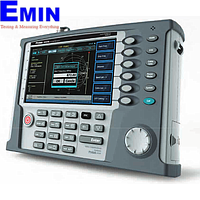
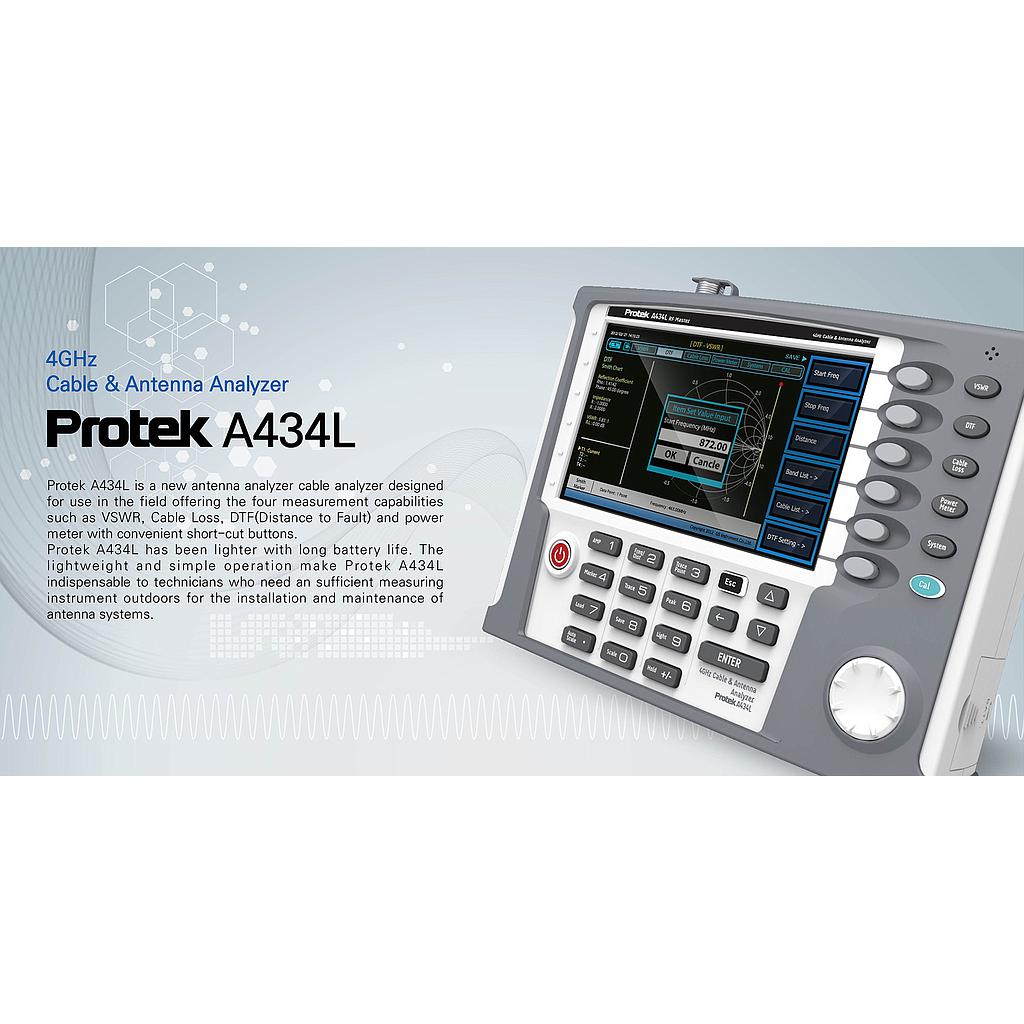
For RF and antenna work, handheld analyzers are a common choice because they balance portability with field-oriented measurement functions. The PROTEK A434L Master Antenna and Cable Analyzer is one example positioned for SWR, DTF, cable loss, and power-related tasks across a wide operating range. The Bird SK-4500-TC also reflects the same field-driven approach, with handheld operation suited to maintenance teams who need fast checks on site.
For lower-frequency antenna applications, the RigExpert AA-35 ZOOM illustrates a more focused use case. It is well suited to antenna and cable evaluation in frequency ranges where compact operation and fast setup are important. In network infrastructure environments, products such as the Fluke Network DSX2-5000 AP and DSX2-8000 AP represent a different branch of the category, aimed at copper cabling certification and detailed link diagnostics rather than RF feed line testing alone.
Accessories and calibration tools in the measurement workflow
A good measurement result depends not only on the analyzer itself but also on the accessories used with it. Calibration kits and adapters help establish the reference plane correctly, reduce uncertainty, and improve repeatability between technicians or job sites. This is particularly important when comparing before-and-after results during maintenance.
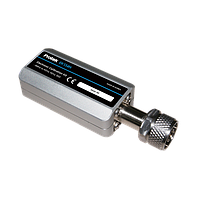
Examples from this category include the PROTEK EK134N Electronic Calibration Kit and the PROTEK WW36MT A434L Calkit, both of which support analyzer setup and verification tasks. On the structured cabling side, adapters such as the Fluke Network DSX-PC6, DSX-PC6A, DSX-PC5ES, DSX-PC6S, and DSX-PC6AS play a supporting role in patch cord and cable certification workflows. These accessories are not stand-alone analyzers, but they are essential to obtaining valid and application-appropriate results.
How to choose the right analyzer
The first selection criterion is the actual application. If you are maintaining RF transmission lines, antenna systems, or wireless infrastructure, focus on frequency coverage, DTF capability, connector type, portability, and battery operation. If your work is centered on LAN installation and acceptance testing, certification functions, standards support, memory capacity, and reporting workflow become more important.
It is also worth checking how the instrument fits into your broader toolchain. Some users need fast field diagnosis with a lightweight handheld device, while others need result storage, export, and formal documentation for project handover. If your work specifically emphasizes standing wave ratio checks, you may also want to review a dedicated VSWR analyzer category for comparison with broader cable and antenna test platforms.
Featured manufacturers and solution ecosystem
This category includes well-known names used across RF and network test environments. Fluke Network is closely associated with copper cabling certification and patch cord testing workflows, while Bird, RigExpert, and PROTEK are relevant references for antenna and cable analysis in field RF applications.
Depending on the project scope, buyers may also evaluate product ecosystems from manufacturers such as Rohde & Schwarz, INNO, Promax, MADE, MOHR, or TEKON where compatibility, service approach, and application coverage matter. The right choice usually depends less on brand visibility alone and more on test objective, measurement range, accessory availability, and reporting needs.
What buyers should consider before ordering
Before selecting a unit, define the cable type, connector standard, and frequency or certification class you actually need to cover. A mismatch between test requirement and instrument capability can lead to incomplete diagnostics or unnecessary cost. It is also useful to confirm whether the job requires only field troubleshooting or full acceptance reporting for customers and compliance records.
For recurring maintenance programs, think beyond the analyzer body itself. Calibration options, compatible adapters, battery runtime, display visibility in outdoor conditions, and data export can have a major impact on daily usability. In B2B purchasing, these practical factors are often as important as headline measurement functions.
Conclusion
Choosing the right cable and antenna test platform starts with understanding the environment you work in, whether that is RF infrastructure, antenna tuning, feeder maintenance, or structured network cabling. A well-matched analyzer helps teams detect faults faster, verify installation quality, and document results with more confidence.
Within this category, you can compare handheld RF analyzers, cable certification instruments, and the calibration or adapter accessories that support them. Reviewing the intended application first will make it much easier to identify the most suitable instrument for your workflow.
Get exclusive volume discounts, bulk pricing updates, and new product alerts delivered directly to your inbox.
By subscribing, you agree to our Terms of Service and Privacy Policy.
Direct access to our certified experts