
Machine pad
Signal chains do not always use the same impedance standard, and that mismatch can affect return loss, measurement accuracy, and overall system behavior. In RF, broadcast, and telecom environments, a machine pad is commonly used as a practical way to match 50 ohm and 75 ohm interfaces while maintaining a stable connection between instruments, cables, and field equipment.
This category focuses on matching pads used in telecommunication component setups where connector style, impedance conversion, and operating frequency all matter. Whether the task involves integrating test gear with coaxial networks or bridging different connector ecosystems, choosing the right pad helps reduce mismatch-related issues and supports more reliable signal transfer.
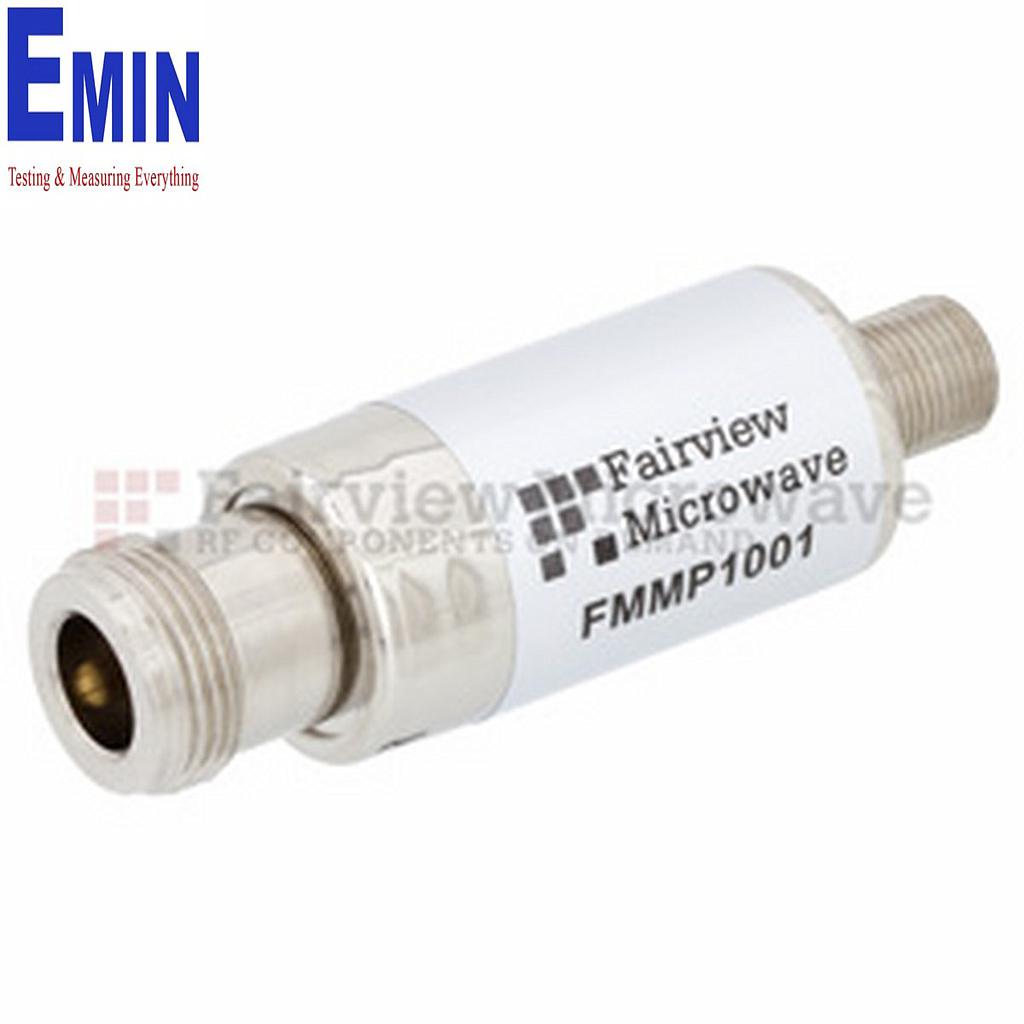
Where machine pads are used in telecom and RF work
Matching pads are often selected when one side of a setup is built around 50 ohm hardware and the other side follows a 75 ohm standard. This is a common scenario in television, broadcast distribution, lab testing, and mixed telecom installations where equipment from different signal environments must work together without introducing unnecessary mismatch.
In practice, these components sit between ports, cables, or instruments to support impedance matching and connector transition in a single part. They are especially useful when a simple connector change is not enough and the electrical interface also needs to be corrected. In broader RF assemblies, they are often considered alongside items such as coaxial adapters when planning interconnection paths.
Key selection points for a matching pad
The first factor is the impedance relationship between the two sides of the connection. Products in this range are intended for combinations such as 50 ohm to 75 ohm or 75 ohm to 50 ohm, so the correct direction and connector gender should be confirmed before ordering. This is particularly important when connecting analyzers, RF generators, receivers, or broadcast hardware with fixed port types.
The second factor is frequency range. Some models in this category support operation from DC to 1 GHz, others from DC to 2 GHz, and several extend up to 3 GHz. For higher-frequency use, engineers typically review insertion behavior and VSWR characteristics carefully to make sure the selected pad aligns with the intended signal path.
Connector style is equally important. Available examples in this category include SMA, N, BNC, and F interfaces in multiple male/female combinations. This allows a matching pad to serve both as an impedance conversion element and as a connector bridge, reducing the need for extra interface parts in compact test benches or field installations.
Examples from the current product range
This category includes several representative solutions from Fairviewmicrowave, covering common telecom and RF interconnect requirements. For example, the Fairview SI1500 is designed for 75 Ohm BNC Male to 50 Ohm BNC Female applications with operation up to 2 GHz, making it relevant for systems where BNC infrastructure is already in place.
For SMA-based connections, the Fairview SI1580 provides a 50 Ohm SMA Male to 75 Ohm SMA Female configuration with operation from DC to 1 GHz. Where broader frequency support is needed, the Fairview FMMP1006 and FMMP1005 extend to 3 GHz and can be useful in signal chains that combine SMA with F-type interfaces.
There are also options for N-type transitions, such as the Fairview SI1520 and SI1530, which address 50 ohm and 75 ohm N connections in opposite directions. These examples show that selection is not only about connector compatibility, but also about matching the electrical standard and operating band to the actual installation.
Why impedance matching matters
When impedance is not matched across connected devices, part of the signal can reflect back toward the source. In measurement and communication systems, that can lead to poorer repeatability, unwanted standing wave effects, and a less predictable response across frequency. A properly chosen matching pad helps moderate these effects by presenting the expected impedance at each side of the connection.
This matters in both permanent and temporary setups. During bench testing, a mismatch between instrument ports and the DUT interface can distort observed results. In deployed networks, mismatch may reduce signal quality or complicate troubleshooting. For this reason, matching pads are often treated as small but important components in a larger RF interconnect strategy that may also include devices such as a balun or a power divider, depending on the system architecture.
Typical application scenarios
In broadcast and CATV-related workflows, 75 ohm ports are common, while many RF test instruments use 50 ohm interfaces. A machine pad can bridge that difference without forcing users to redesign the rest of the signal chain. This makes it useful for maintenance work, acceptance testing, and mixed-equipment environments.
It is also relevant in integration projects where connector families differ across subsystems. A model such as the Fairview SI1560, which combines a 50 Ohm SMA Male side with a 75 Ohm BNC Female side, illustrates how these parts support both impedance conversion and physical interface alignment in one compact component. Similarly, F-type versions such as the SI1591 or FMMP1004 can fit installations where F connectors remain part of the cable plant.
How to compare models in this category
A practical comparison usually starts with four checks: impedance direction, connector combination, frequency coverage, and acceptable VSWR. Power handling may also matter in some setups, and selected models in this category list 1 W input power. For many buyers, that is enough to narrow the shortlist before looking at installation details.
It is also helpful to consider whether the pad is being used in a lab environment, a service workflow, or a semi-permanent telecom installation. A compact SMA-to-F or SMA-to-BNC design may suit test and service work, while N-type versions can be more relevant where robust coaxial connections are preferred. If the signal path includes controlled routing elements, related components such as telecommunication switches may also need to be reviewed as part of the overall design.
Choosing the right machine pad for your setup
The best choice usually comes from working backward from the actual ports in use, then verifying the impedance conversion and frequency range required by the application. A well-matched part can simplify integration, reduce the number of extra interconnect pieces, and help maintain more consistent RF performance across the assembly.
This category is built for users who need a straightforward way to connect 50 ohm and 75 ohm systems across common connector formats such as SMA, N, BNC, and F. By comparing the available matching pad configurations carefully, buyers can select a solution that fits both the electrical and mechanical requirements of the job.
Get exclusive volume discounts, bulk pricing updates, and new product alerts delivered directly to your inbox.
By subscribing, you agree to our Terms of Service and Privacy Policy.
Direct access to our certified experts