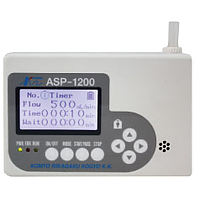
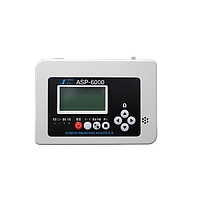
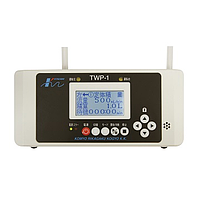
Air sampling pump
Accurate air monitoring often depends on one simple step: collecting a representative sample with stable flow and the right sampling setup. Whether the task involves workplace hygiene checks, environmental monitoring, confined-space assessment, or spot gas investigation, choosing the right air sampling pump helps improve data quality and makes downstream analysis more reliable.
On this page, you can explore air sampling pumps and related accessories used to draw air or gas through tubes, filters, hoses, or sampling systems. The category also includes supporting items such as calibration devices and replacement components that help maintain consistent sampling performance in routine field work.
Where air sampling pumps are used
In practical B2B applications, these devices are used wherever air needs to be actively pulled from a point of interest into a measurement or collection medium. This may include industrial hygiene programs, occupational exposure monitoring, hazardous gas checks, laboratory support work, and field investigations where diffusion alone is not sufficient.
Air sampling pumps are also part of a broader air monitoring workflow. In some projects, users combine sampled data with continuous devices such as air and gas transmitters or distributed air quality sensors to build a more complete picture of site conditions.
How an air sampling pump works in the field
The basic principle is straightforward: the pump creates suction and pulls a controlled volume of air through a sampling path. Depending on the application, that path may include a detector tube, filter media, an impinger, a hose extension, or a dedicated sampling module. The goal is not simply to move air, but to do so at a known and repeatable flow rate.
For this reason, pump selection is closely tied to flow stability, operating mode, runtime, and alarm behavior. Some portable gas suction units are designed for compact field use and include low-flow or low-battery alarms, while other systems support wider calibration and verification tasks before sampling begins.
Key selection points before you buy
Not every sampling job requires the same configuration. The first factor to check is the required flow range. Low-flow applications and higher-volume sampling setups place very different demands on the pump, tubing, and accessories. If your process includes regular verification, a separate flow calibration device may be just as important as the pump itself.
Another consideration is portability. Battery-powered units are useful for mobile inspections and area checks, especially in locations where power is limited. For hazardous or sensitive environments, users may also need to review construction type, alarm functions, and environmental operating limits before choosing a suitable model.
It is also worth checking compatibility with the rest of the sampling train. Hose length, connector style, detector compatibility, and service accessories can all affect daily usability. In applications involving airborne particles or controlled aerosol studies, related equipment such as an aerosol generator may be relevant elsewhere in the testing workflow.
Representative products in this category
Several products in this category illustrate the range of use cases covered by air sampling equipment. The Riken Keiki RP-3R(S) Gas Suction Pump is an example of a compact portable unit intended for gas sampling work, with alarm functions and intrinsically safe design details that are important in field applications.
For extended sampling paths, accessories also matter. The Gastec 351A-30 Extension Hoses are intended for use with specific Gastec gas sampling pump models, while the Riken Keiki GP2161 Gas Sampling Hose 8m supports compatible pump setups where reach and flexibility are required. These kinds of accessories are essential when the sampling point is difficult to access directly.
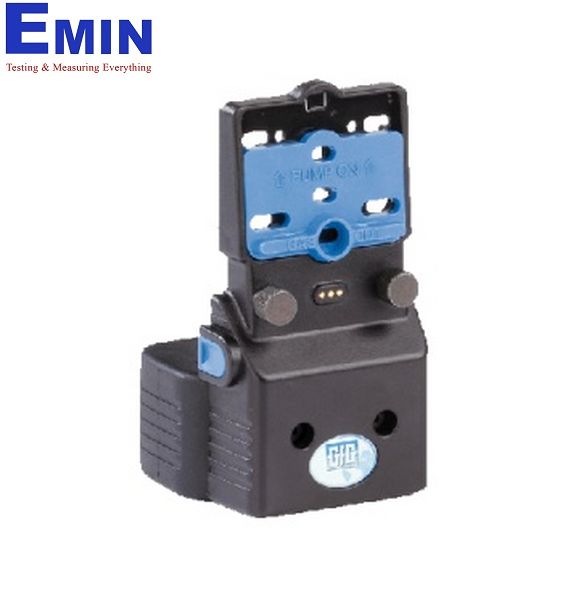
The category also includes dedicated sampling systems such as the GFG G400-MP2 Sampling System, as well as maintenance items like the Filter for BUCK gas sampling machine. These components play a supporting role in keeping the pump system functional, clean, and ready for consistent daily use.
Why flow verification matters
In many air monitoring programs, collecting a sample is only part of the job. The sample must also correspond to a known volume of air, which is why calibration and verification are central to good sampling practice. A pump that drifts from its intended flow can affect concentration calculations and reduce confidence in the result.
This is where dedicated calibrators become useful. Sensidyne Gilibrator-2, Gilibrator 2USB, and Gilibrator 3 models in this category are designed to verify air sampling performance across different flow ranges. The Sensidyne Gilian Go-Cal Pro Air Flow Calibrators are also available in multiple ranges, helping users match the calibrator to the expected sampling application rather than relying on a one-size-fits-all approach.
For organizations that handle repeated sampling routines, pairing a pump with a suitable verification tool can simplify setup checks, support documentation, and reduce avoidable measurement errors.
Manufacturers and ecosystem compatibility
This category brings together products from established names in air and gas monitoring, including Riken Keiki, Gastec, Sensidyne, GFG, and BUCK. Each brand may approach sampling differently, from compact manual or portable suction solutions to accessories, hoses, filters, and calibration equipment that support a full sampling workflow.
Compatibility is especially important when replacing parts or expanding an existing setup. A hose, filter, or sampling module should be chosen with the intended pump or detector system in mind. Rather than selecting by brand name alone, it is usually better to match the device to the sampling method, target gas or media, and required operating range.
Choosing the right setup for your application
If your work focuses on short-duration gas checks, a portable suction pump with simple operation may be the practical choice. If you run scheduled monitoring routines, it may be more useful to consider the complete setup: pump, hoses, filter components, and a calibrator for regular verification. For broader environmental monitoring strategies, sampled data can also complement fixed-point sensing and transmitter-based measurement.
When comparing options, start with the sampling objective, then narrow the list by flow requirement, portability, runtime, accessory compatibility, and maintenance needs. That approach usually leads to a more reliable selection than focusing only on model popularity.
Final thoughts
An air sampling pump is a small device in appearance, but it plays a critical role in obtaining dependable air and gas samples. The right solution is not only about suction capability; it also depends on stable flow, compatible accessories, and a practical calibration routine that fits your work environment.
Browse the products in this category to compare pumps, sampling systems, hoses, filters, and flow calibrators side by side. If your application involves occupational monitoring, field inspection, or environmental measurement, a well-matched sampling setup will help make your results more consistent and easier to trust.
Get exclusive volume discounts, bulk pricing updates, and new product alerts delivered directly to your inbox.
By subscribing, you agree to our Terms of Service and Privacy Policy.
Direct access to our certified experts