Dissolved oxygen meter
Reliable dissolved oxygen data is essential when water quality affects process stability, biological activity, or product quality. In aquaculture, treatment systems, laboratories, and environmental monitoring, a dissolved oxygen meter helps users check whether oxygen levels are sufficient for living organisms, microbial processes, or controlled testing conditions.
Compared with rough visual assessment, direct DO measurement gives a clearer basis for daily operation and technical decisions. This category includes instruments and related probe components used to measure dissolved oxygen in water, with options suited to portable field checks, laboratory work, and benchtop analysis.
Why dissolved oxygen measurement matters
Dissolved oxygen is one of the core parameters in water analysis because it reflects how much oxygen is available in the liquid phase. This value has a direct relationship with aquatic life, microbial respiration, and the performance of many water treatment and quality control processes.
When DO falls too low, fish and shrimp can experience stress, and biological treatment efficiency may decrease. In environmental studies, low oxygen can also indicate organic pollution or stagnant water conditions. For that reason, DO meters are commonly used as part of broader water quality assessment alongside other analytical tools and supporting consumables such as reagents for laboratory testing.
Typical applications across industries
One of the most common uses of a DO meter is in aquaculture. Pond operators often need to monitor oxygen levels at different times of day because temperature, aeration, and biological load can change rapidly. A portable instrument allows quick checks in the field and helps determine when additional aeration is needed.
In wastewater treatment, oxygen measurement is equally important in aeration tanks and biological treatment stages. Sufficient oxygen supports microbial activity, while over-aeration may waste energy. In environmental monitoring and academic research, DO measurement is often combined with other electrochemical methods, especially when users also work with specialized sensors such as a measurement electrode for ion analysis.
Common product formats in this category
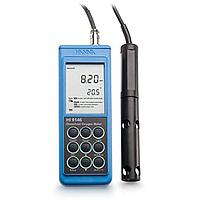
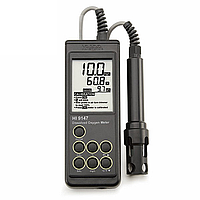
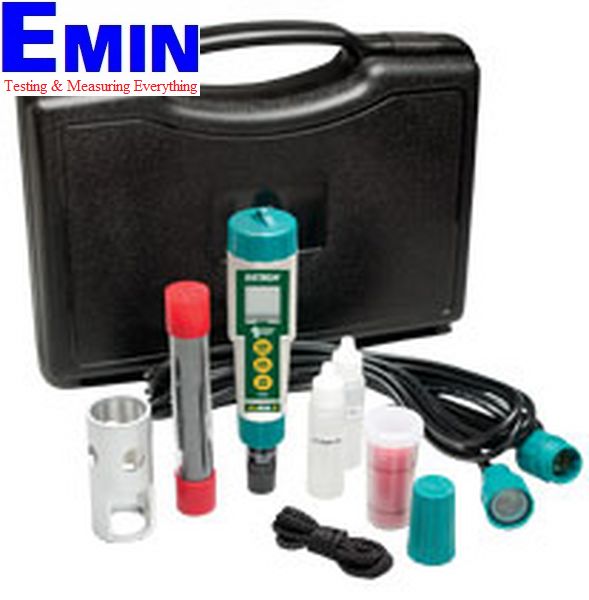
The category covers several practical equipment formats. Handheld meters are widely chosen for on-site measurement because they are easy to carry and suitable for ponds, tanks, rivers, and other field locations. For example, Eutech handheld models such as the ECDO601PLUSK or waterproof CyberScan series are designed for routine portable measurement where mobility matters.
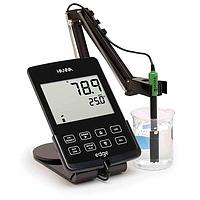
For laboratory or process-focused use, benchtop DO/BOD meters provide a more stationary setup with broader data handling and measurement support. HORIBA DO2000 and DO2000-S are representative examples in this group, especially where users need organized testing workflows, memory, and connectivity. The category also includes probes and replacement parts, which are important for maintaining measurement continuity over time.
Probes, electrodes, and replacement components
In dissolved oxygen measurement, the sensor assembly is just as important as the meter itself. Over time, probes, sensor caps, and replacement sensing parts may need service or replacement depending on usage intensity, sample condition, and maintenance practice. Choosing the correct compatible component helps preserve response quality and measurement consistency.
Examples in this category include the HORIBA 9552-20D dissolved oxygen electrode and the HORIBA 5402 replacement sensor for 9552-20D and 9552-50D electrodes. Products like the HORIBA WQ 300 DO KIT 2M dissolved oxygen probe are also relevant when users need a complete probe assembly for a compatible platform rather than only a replacement part.
Key selection criteria for a dissolved oxygen meter
Choosing the right instrument depends first on where and how it will be used. Field users usually prioritize portability, waterproof construction, cable length, and simple operation. Laboratory users may place more weight on data memory, calibration workflow, display readability, and communication features for reporting or record keeping.
Another important point is the measurement range and compensation capability. In practical water analysis, salinity and barometric pressure can affect DO readings, so compensation features are useful when measurements are taken in different environments. Some products in this category also support % saturation display in addition to mg/L, which is helpful when users need a broader view of oxygen status.
It is also worth checking whether the application requires only spot measurement or a more complete testing setup. In some workflows, users may prefer a meter kit with probe and accessories included, while in other cases a replacement electrode or sensor is the more relevant purchase.
Brands commonly selected for water quality work
Several recognized manufacturers appear in this category, each fitting different user needs and instrument ecosystems. HORIBA is particularly relevant here because the listed products include benchtop meters, electrodes, and replacement sensor parts that support both routine analysis and maintenance.
Eutech is another practical option for portable dissolved oxygen measurement, with handheld and waterproof models suitable for general field use. The broader manufacturer lineup in this category also includes names such as HACH, YSI, OMEGA, Anton Paar, Thermofisher, and EXTECH, giving buyers room to align with existing equipment preferences or internal standardization policies.
Using and maintaining DO equipment effectively
Even a capable meter depends on proper handling. Regular calibration, correct compensation settings, and routine probe inspection all influence the quality of results. In many applications, users should also pay attention to sample temperature and measurement conditions, since oxygen behavior in water changes with environmental variables.
Maintenance planning is especially important for organizations that run frequent tests. Keeping compatible replacement parts available can reduce downtime and help avoid interrupted monitoring schedules. If your workflow includes quick screening methods in parallel with instrumental testing, simple consumables such as test paper may also support preliminary checks in broader water analysis routines.
Choosing the right setup for your workflow
A suitable dissolved oxygen solution is not only about the meter body; it also depends on the probe type, application environment, maintenance requirements, and the level of data handling you need. Portable Eutech models may suit routine field checks, while HORIBA benchtop systems are more aligned with structured laboratory or BOD-related work. Probe assemblies and replacement sensors are equally important when maintaining an existing instrument fleet.
By matching the instrument format to the sampling environment and operating routine, users can build a more dependable water testing process. Explore this category to compare meters, probes, and accessories that support accurate DO measurement in aquaculture, wastewater treatment, environmental monitoring, and laboratory analysis.
Get exclusive volume discounts, bulk pricing updates, and new product alerts delivered directly to your inbox.
By subscribing, you agree to our Terms of Service and Privacy Policy.
Direct access to our certified experts